In the rapidly expanding world of GLP-1 medications like semaglutide, patients and providers often wonder why semaglutide injection pens cost more than vials. The answer lies in the sophisticated manufacturing processes required to produce these user-friendly devices, as detailed by Neeraj Sharma, Managing Director and CEO of OneSource Specialty Pharma. With global demand for GLP-1 drugs surging due to their efficacy in diabetes management and weight loss, understanding these cost drivers is crucial for appreciating the value they deliver.
The Rise of Semaglutide and GLP-1 Therapies
Semaglutide, a cornerstone GLP-1 receptor agonist, mimics the glucagon-like peptide-1 hormone to regulate blood sugar, slow gastric emptying, and promote satiety. This mechanism not only aids in glycemic control for type 2 diabetes but also supports substantial weight reduction, making it a go-to for metabolic health. The drug has gone off patent in India and is losing exclusivity in several emerging markets, fueling accessibility and growth.
The market for semaglutide is currently estimated at about $34.5 billion and is projected to expand to over $85 billion by the mid-2030s. This boom is driven by rising obesity rates, diabetes prevalence, and improved access in regions like Canada, Brazil, and Turkey, where volumes are expected to lead. As contract development and manufacturing organizations (CDMOs) like OneSource scale up, the focus on high-quality delivery systems like injection pens becomes paramount.
Key Differences: Injection Pens vs. Vials for Semaglutide
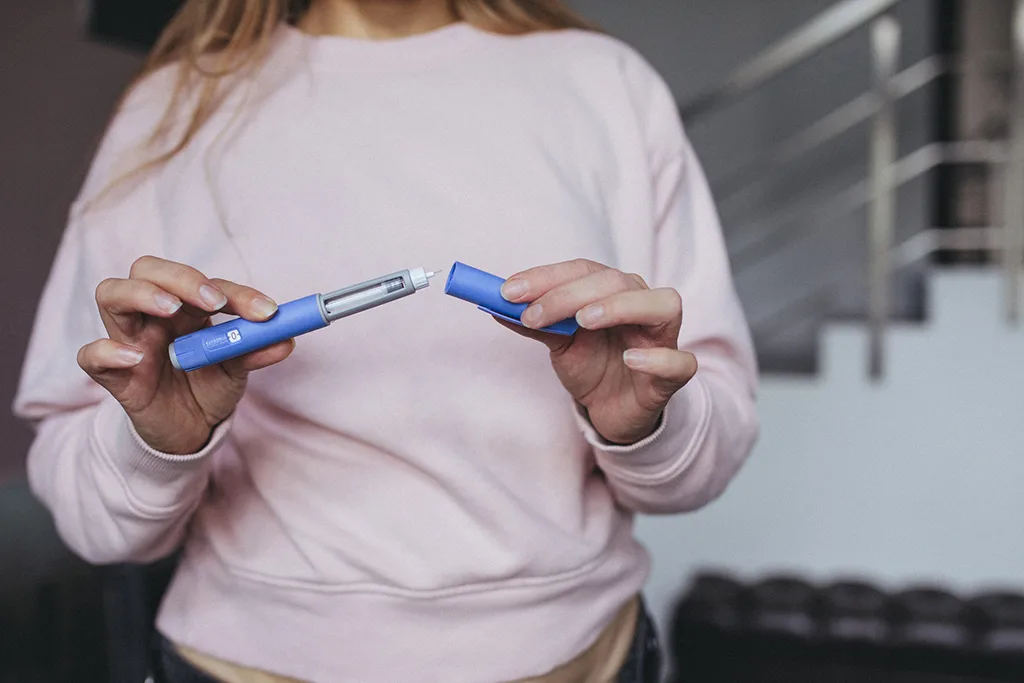
While vials offer a simpler, lower-cost option requiring syringes for administration, semaglutide injection pens provide unmatched convenience. Patients can self-administer doses at home, typically once weekly, without the need for precise measurement or professional mixing. "Yes, it is significantly more expensive. However, the key benefit is convenience," Sharma emphasized. "Patients can self-administer at home, typically once a week. Vials do not offer that ease. Pens are more complex to manufacture, which reflects in the price."
For those managing chronic conditions like type 2 diabetes or obesity, this ease reduces treatment burden, improves adherence, and minimizes errors. However, this convenience comes at a premium due to the manufacturing intricacies involved.
The Complex Manufacturing Process Behind Semaglutide Pens
Sterile Filling in Controlled Environments
The production of semaglutide pens begins in highly controlled sterile environments where human intervention is minimized to prevent contamination. At the heart is an isolator-based filling system, the first major step in the value chain where the pre-formulated liquid drug is filled into cartridges.
"This is really the first major step in the entire value chain of GLP-1, where the drug... is filled on this line," Sharma explained. The automated system fills 150 to 200 cartridges per minute, with current daily output at 50,000 to 55,000 cartridges, scalable to 1.2-1.3 lakh units depending on batch sizes.
Rigorous Quality Checks and Automation
Each cartridge undergoes stringent quality inspections post-filling. What was once manual is now fully automated, with machines detecting microscopic defects like air bubbles invisible to the human eye. "A human eye may miss certain defects, but a machine can detect them... the machine is extremely sensitive and can detect even minor inconsistencies," Sharma noted. Defective units are discarded, contributing to higher costs through controlled wastage.
This precision ensures patient safety, as any contamination or dosing inaccuracy in GLP-1 therapies could lead to suboptimal efficacy or adverse events like gastrointestinal issues common with these drugs.
Precision tracking for your journey
Join thousands using Shotlee to accurately track GLP-1 medications and side effects.
📱 Get the Shotlee App
Track your GLP-1 medications, peptides, and health metrics on the go with our mobile app!
Robotic Assembly and Multi-Platform Compatibility
Assembly elevates complexity further. Cartridges are integrated into pens using robotic systems, involving multiple precision-engineered components for accurate dosing. OneSource manages 11 different device platforms, each with unique designs, technologies, and interfaces, necessitating machine recalibrations and specialized parts.
Post-assembly, pens are labeled, packaged with needles and patient information leaflets, and handled under strict cold chain logistics at 2 to 8 degrees Celsius—a requirement for GLP-1 stability throughout the supply chain.
OneSource's Role and Future Investments
As an end-to-end CDMO, OneSource supplies global pharma players like Dr. Reddy's and Natco, along with their partners. Betting on sustained GLP-1 demand, including newer molecules like tirzepatide, the company is investing $100 million to expand capacity. This positions them for growth in biologics and other drug-device combinations, supporting the therapy pipeline for metabolic health.
For patients, tools like Shotlee can complement pen use by tracking injection schedules, symptoms, and side effects such as nausea or injection-site reactions, enhancing overall management.
Patient Guidance: Weighing Costs vs. Benefits
When considering semaglutide delivery options, discuss with your healthcare provider whether pens' convenience outweighs vial costs, especially for weekly dosing. Factors include lifestyle, dexterity, and insurance coverage. Pens reduce clinic visits and errors but may strain budgets in off-patent markets.
Safety remains key: Manufacturing rigor minimizes risks, but monitor for GLP-1 side effects like pancreatitis or thyroid concerns. Always store at 2-8°C and follow cold chain protocols.
Comparisons: Pens vs. Alternatives in GLP-1 Delivery
Compared to multi-dose vials, pens offer fixed dosing to prevent overdoses, ideal for semaglutide's titration from 0.25mg to 2.4mg. Oral semaglutide exists but requires daily intake with lower bioavailability. Pens align with long-acting profiles, improving compliance over daily injections or pills.
Key Takeaways: What This Means for Patients and Providers
- Semaglutide pens cost more due to sterile isolator filling, automated quality checks, robotic assembly, and cold chain demands.
- Daily output: 50,000-55,000 cartridges, scalable to 1.2-1.3 lakh; handles 11 platforms.
- Market growth: $34.5B to $85B+ by mid-2030s; OneSource invests $100M.
- Benefit: Weekly home self-administration vs. vial inconvenience.
- Supplied to Dr. Reddy's, Natco; expanding to tirzepatide.
In summary, the higher price of semaglutide injection pens reflects advanced manufacturing ensuring safety and ease, vital amid GLP-1 surge. Patients should prioritize adherence discussions with doctors for optimal metabolic outcomes. For related topics like GLP-1 side effect management or tirzepatide comparisons, explore further.
Conclusion
The manufacturing complexity explained by OneSource CEO Neeraj Sharma underscores why semaglutide pens justify their premium. As demand grows, innovations in production will balance costs with accessibility, empowering better diabetes and weight management. Consult your provider to determine the best format for your needs.