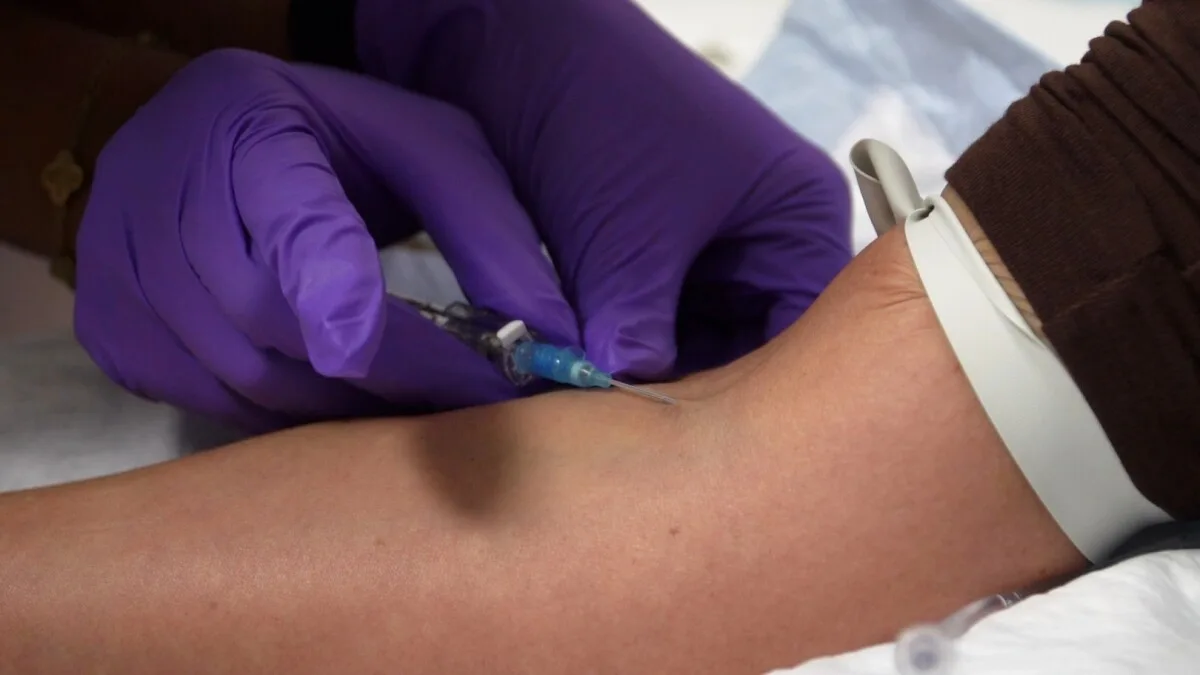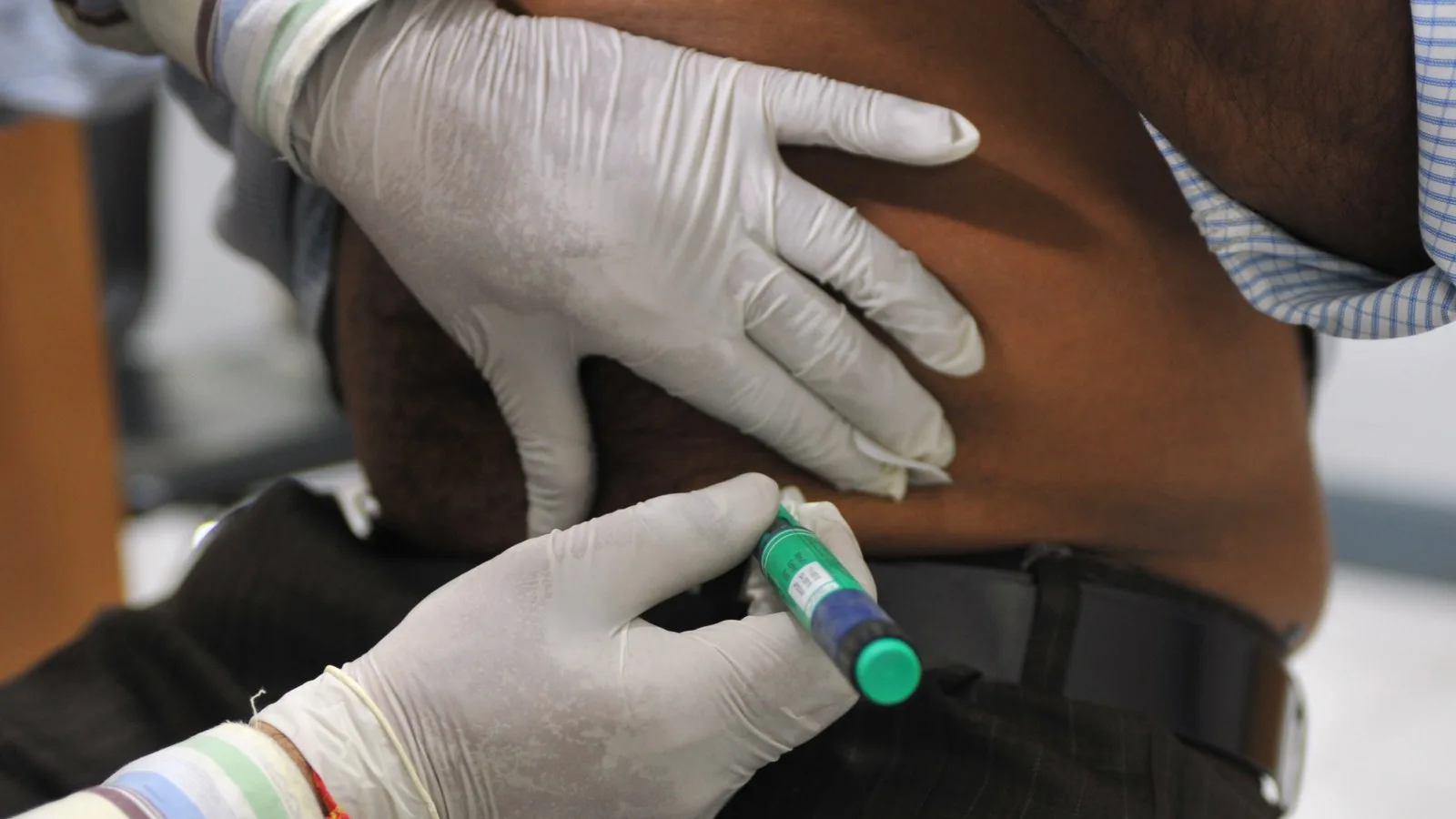

Mounjaro weight loss stories are capturing attention, especially after content creator Aishwarya Mohanraj openly shared her experience. Previously, speculation about celebrities using Ozempic dominated conversations around injectable weight-loss drugs. Now, the spotlight has shifted to Mounjaro, thanks to Mohanraj's public acknowledgment and visible results.
The Viral Story Sparking Mounjaro Buzz
In a compelling video, Aishwarya Mohanraj details her struggles with medical conditions like PCOS and hypothyroidism, which made sustainable weight loss elusive. Despite efforts including regular workouts, boosting protein intake, and even trying birth control, she regained weight due to these conditions. Ultimately, she turned to Mounjaro injections.
"I went from 74 to 52 in six months," she says. However, she also adds, "Do I advise taking this? No, I am a content creator."
Her disclaimer underscores a key point: while personal anecdotes fuel interest in Mounjaro for weight loss, individual results vary, and professional medical advice is essential. This story highlights how social media influencers with relatable conditions—such as PCOS, which affects insulin sensitivity and hormone balance, or hypothyroidism, which slows metabolism—are driving demand for therapies like tirzepatide.
What is Mounjaro?
Mounjaro is the brand name for tirzepatide, a prescription injectable drug developed by Eli Lilly. It is approved in many countries primarily for the treatment of type 2 diabetes, where it helps lower blood sugar levels. Unlike single-hormone agonists, Mounjaro targets dual pathways, setting it apart in the GLP-1 medication landscape.
For patients with type 2 diabetes and obesity-related comorbidities, Mounjaro offers a targeted approach. Its approval stems from robust clinical trials demonstrating superior glycemic control and weight reduction compared to some predecessors, though off-label use for weight loss has surged via platforms like social media.
How Mounjaro Differs from Ozempic
While Ozempic (semaglutide) mimics only GLP-1, Mounjaro activates both GLP-1 and GIP receptors. This dual action may explain enhanced weight loss efficacy in trials, with average reductions of 15-20% body weight observed in studies like SURMOUNT. However, both drugs share similar administration (weekly subcutaneous injections) and require titration to minimize side effects.
The Science: How Mounjaro Works for Weight Loss and Blood Sugar Control
Mounjaro works by activating two gut hormone pathways—GLP-1 and GIP—which regulate appetite, digestion, and insulin release. As Dr. Himika Chawla, Senior Consultant, Endocrinology and Diabetology, PSRI Hospital, Delhi, explains:
"By mimicking these hormones, it slows stomach emptying and signals the brain that you are full sooner, often reducing hunger and calorie intake."
This mechanism promotes satiety, delays gastric emptying, and improves insulin sensitivity—crucial for those with PCOS or type 2 diabetes. In clinical settings, patients often report reduced cravings for high-calorie foods, leading to natural calorie deficits without strict dieting. For metabolic health, the GIP component may enhance fat metabolism, contributing to Mounjaro's edge in weight management.
Expert Warnings: Mounjaro is Not a Cosmetic Quick Fix
Social media discussions, celebrity disclosures, and content creators have amplified interest in these injectable medications beyond their original diabetes indication. However, experts caution that it is not a cosmetic quick fix but a prescription therapy meant for medical use under supervision," says Dr. Saptarshi Bhattacharya, Senior Consultant, Endocrinology, Indraprastha Apollo Hospitals.
Precision tracking for your journey
Join thousands using Shotlee to accurately track GLP-1 medications and side effects.
📱 Get the Shotlee App
Track your GLP-1 medications, peptides, and health metrics on the go with our mobile app!
Gastrointestinal side effects such as nausea, vomiting, and diarrhoea are among the most commonly reported, affecting a significant proportion of users in clinical settings. These typically peak during dose escalation and subside, but monitoring is vital, especially for those with GI sensitivities.
Weight Regain Risks and Long-Term Strategy
A senior doctor, on condition of anonymity, notes that the euphoria around the drug is leading people to use it without fully understanding the implications. "Look at the effect of Ozempic on so many celebrities. They look shrunk, so people who are getting it done without thinking about the implication of it will face side-effects as well. That's going to be another problem in the next six months."
Dr. Nikhil Yadav, HOD, Minimal Access and Robotic Surgery, Manipal Hospitals Dwarka, Delhi, adds:
"40% of the patients will regain weight if they don't regulate it. It may not be a complete solution, as relying only on Mounjaro wouldn't be helpful. One should pair it up with a proper diet and exercise for visible results."
Studies on similar GLP-1-based therapies have also shown that a significant proportion of patients regain weight within a year of discontinuation, particularly in the absence of sustained lifestyle changes. Dr. Yadav emphasizes: "A lot of patients with overweight and obesity will come into the treatment loop. With multiple options available, they might try drugs initially, experience the benefits of weight loss, and may consider bariatric surgery if weight regain occurs after stopping drugs."
While Mounjaro has shown strong results in both blood sugar control and weight reduction, experts stress that it is not a standalone solution. Its effectiveness depends heavily on sustained lifestyle changes and medical supervision.
Who Might Benefit from Mounjaro? Patient Guidance
Candidates often include those with type 2 diabetes, obesity (BMI ≥30), or weight-related conditions like PCOS. Discuss with your doctor if you have:
- Insulin resistance or poor glycemic control
- History of failed lifestyle interventions
- Comorbidities like hypothyroidism impacting metabolism
Start with low doses (2.5mg weekly), titrating up. Track symptoms using apps like Shotlee for side effects or injection schedules to stay compliant. Combine with 150 minutes weekly exercise and a protein-rich, fiber-focused diet for synergy.
Safety Considerations and Side Effects
Beyond GI issues, monitor for pancreatitis, gallbladder problems, or thyroid concerns (rare). Contraindicated in medullary thyroid carcinoma history. Regular A1C, lipid panels, and renal function tests ensure safety. Pregnant or breastfeeding individuals should avoid it.
Key Takeaways: What This Means for Patients
- Mounjaro (tirzepatide) excels via dual GLP-1/GIP action for diabetes and weight loss.
- Real stories like Aishwarya Mohanraj's (74kg to 52kg in 6 months) inspire but don't replace advice.
- 40% risk weight regain without diet/exercise; lifestyle is key.
- Common side effects: nausea, vomiting, diarrhea—managed with supervision.
- Not for cosmetic use; consult endocrinologists for personalized plans.
Conclusion: Sustainable Paths to Metabolic Health
Mounjaro's moment reflects growing awareness of peptide therapies for stubborn weight issues, but success hinges on holistic approaches. Patients should prioritize doctor-guided use, blending injections with nutrition, activity, and monitoring for lasting results. Explore options like GLP-1 agonists thoughtfully to reclaim metabolic health.