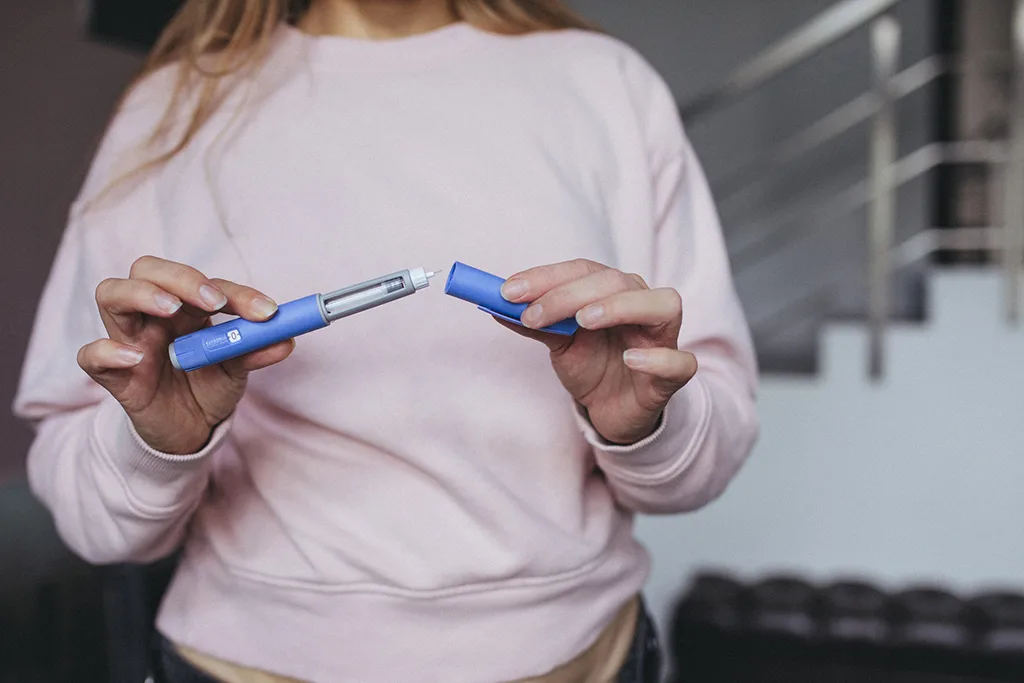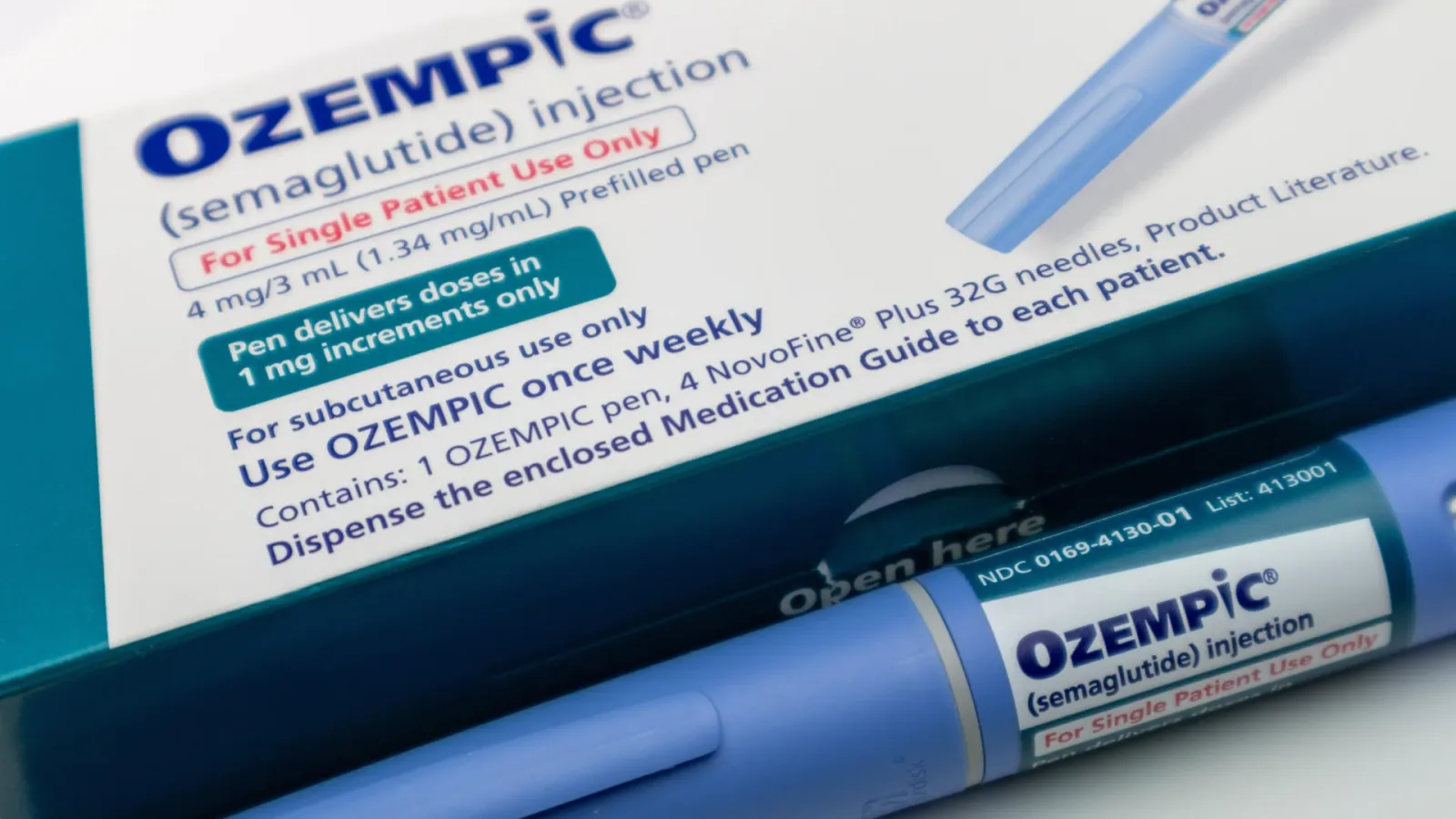
Obesity affects over one billion people worldwide, driving risks for heart disease, type 2 diabetes, stroke, certain cancers, osteoarthritis, sleep apnea, and depression. For decades, treatments focused primarily on diet and exercise, often yielding limited, unsustainable results. Now, the World Health Organization (WHO) has endorsed glucagon-like peptide-1 (GLP-1) receptor agonists—medications like semaglutide (Ozempic, Wegovy) and tirzepatide (Mounjaro, Zepbound)—as a key tool in obesity management. This represents a "groundbreaking" evolution, as described by Dr. Francesca Celletti, lead developer of the WHO guideline.
The Science Behind GLP-1 Receptor Agonists
GLP-1 receptor agonists mimic the gut hormone glucagon-like peptide-1, which regulates blood sugar, appetite, and digestion. In people with obesity, these pathways are often dysregulated, leading to overeating and poor glucose control.
How GLP-1 Drugs Work
These medications act on multiple fronts:
- Slow gastric emptying: Food stays in the stomach longer, promoting fullness.
- Enhance satiety signals: They stimulate brain regions like the hypothalamus, reducing hunger.
- Improve insulin sensitivity: They boost insulin release in response to meals while suppressing glucagon, stabilizing blood sugar.
- Neuroprotective effects: Emerging data suggest benefits for reward-based eating behaviors.
Clinical trials like STEP (Semaglutide Treatment Effect in People with obesity) showed semaglutide users losing 15-20% of body weight over 68 weeks, far surpassing placebo. Tirzepatide, a dual GLP-1/GIP agonist, achieved up to 22.5% loss in SURMOUNT-1 trials, outperforming semaglutide head-to-head in some analyses.
Key GLP-1 Medications
- Ozempic (semaglutide): Weekly injection approved for type 2 diabetes; off-label use for weight loss at 0.25-2 mg doses.
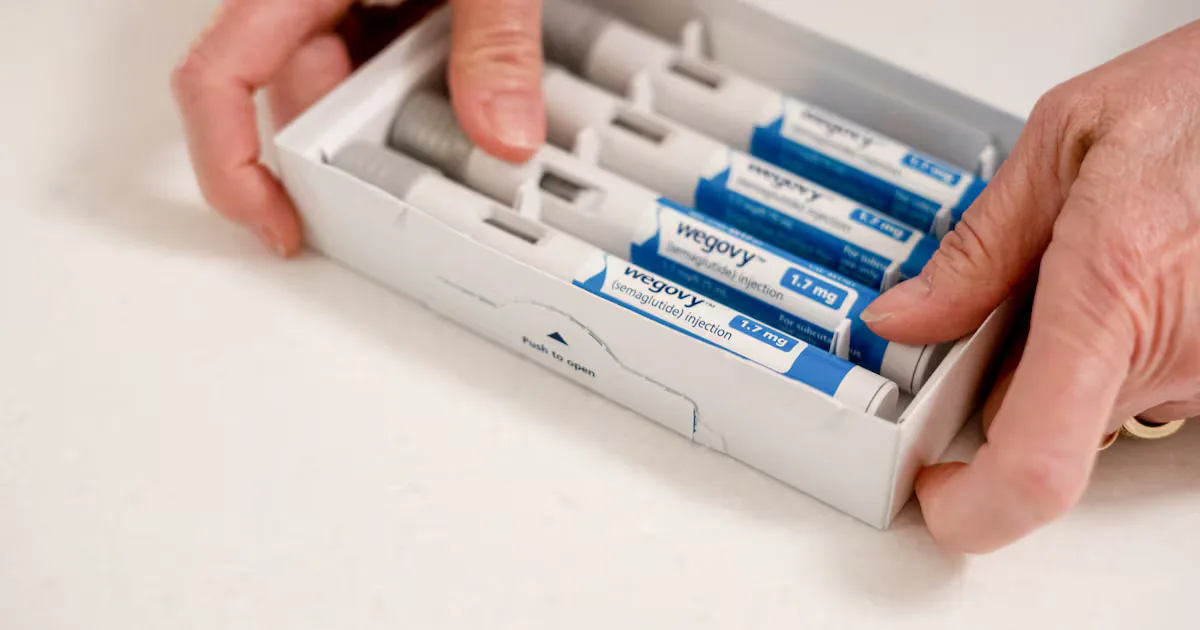
- Wegovy (semaglutide): Higher-dose (up to 2.4 mg) version FDA-approved for chronic weight management in BMI ≥30 or ≥27 with comorbidities.
- Mounjaro/Zepbound (tirzepatide): Dual agonist; doses up to 15 mg yield superior weight loss and A1c reductions.
WHO recommends these for adults with BMI ≥30 kg/m² or ≥27 kg/m² plus conditions like hypertension or diabetes, alongside lifestyle interventions.
WHO's Groundbreaking Guidelines: A New Paradigm
Published in late 2023, the WHO guideline shifts obesity from a "lifestyle issue" to a treatable chronic disease. Dr. Celletti emphasized:
"GLP-1s are the first efficacious medication for obesity and for a population that has been neglected."It stresses combined approaches: pharmacotherapy plus behavioral support like nutrition counseling and exercise. Yet, it highlights evidence gaps, including lifelong therapy needs and safety data beyond 2-3 years.
This endorsement aligns with surging prescriptions—Ireland's economy even boomed from Wegovy production—but prioritizes equity, urging access in low-resource settings.
Proven Benefits and Emerging Evidence
Beyond weight loss, GLP-1s address obesity's metabolic fallout:
- Cardiovascular protection: SELECT trial (n=17,604) showed Wegovy reduced major adverse cardiac events by 20% in overweight patients with CVD history, independent of weight loss.
- Diabetes remission: Up to 60% of prediabetic patients normalize glucose on therapy.
- Other gains: Improvements in NAFLD, sleep apnea, and osteoarthritis symptoms; potential anti-inflammatory effects.
Real-world data reinforces trials: A 2024 study in The Lancet reported sustained 10-15% loss at 2 years with adherence.
Risks, Side Effects, and Cautions
Excitement tempers with realism. Common issues (affecting 20-50% initially):
Precision tracking for your journey
Join thousands using Shotlee to accurately track GLP-1 medications and side effects.
📱 Get the Shotlee App
Track your GLP-1 medications, peptides, and health metrics on the go with our mobile app!
- Gastrointestinal: Nausea, vomiting, diarrhea, constipation—often dose-dependent and improve over time.
- Muscle loss: Up to 40% of weight shed can be lean mass; resistance training and protein intake (1.6g/kg body weight) mitigate this.
Rare but serious risks include acute pancreatitis, gallbladder disease, and medullary thyroid carcinoma (black-box warning from rodent studies). Long-term unknowns loom: What if millions use these for decades? WHO calls for more pharmacovigilance studies.
Patient selection matters—avoid in history of pancreatitis, MEN2, or pregnancy. Start low, titrate slowly.
GLP-1 Drugs vs. Bariatric Surgery: Complementary Roles
Bariatric surgery (e.g., sleeve gastrectomy, Roux-en-Y) remains gold-standard for severe obesity (BMI ≥40 or ≥35 with comorbidities). A 2023 meta-analysis found surgery yields 25-35% excess weight loss sustained at 5 years, vs. 15-20% for GLP-1s at 2 years.
Surgery edges in durability and diabetes remission (60-80% vs. 30-50% with drugs). However, GLP-1s offer non-invasive access: no general anesthesia risks, reversible effects, and preoperative optimization.
| Metric | GLP-1 Drugs | Bariatric Surgery |
|---|---|---|
| Avg. Weight Loss (2 yrs) | 15-22% | 25-35% |
| Diabetes Remission | 30-50% | 60-80% |
| Invasiveness | Weekly injection | Surgical |
| Cost (US, annual) | $12,000-15,000 | $20,000+ upfront |
Consensus: Use drugs first-line; reserve surgery for non-responders (>5% loss goal unmet after 6 months).
Obesity as a Chronic, Relapsing Disease
The WHO's strongest message: Obesity mirrors hypertension or diabetes—biological, not moral failing. Genetic factors (e.g., MC4R mutations in 5%), hormones, and environment drive relapse without maintenance. This destigmatizes care, fostering lifelong management.
Practical Guidance for Patients on GLP-1 Therapy
Maximize success:
- Lifestyle synergy: Aim 150 min/week moderate exercise; high-protein diet to preserve muscle.
- Monitoring: Track weight, symptoms, nutrition. Apps like Shotlee help log side effects, meals, and progress alongside medication.
- Adherence tips: Weekly dosing; manage GI issues with ginger, small meals.
- Discontinuation: Expect 2/3 weight regain without alternatives; taper under supervision.
Consult providers for personalized dosing; tools like Shotlee enhance self-management.
Conclusion
WHO guidelines herald a transformative era, validating GLP-1 drugs as vital for obesity—a chronic disease demanding comprehensive care. With 15-22% weight loss, cardiometabolic benefits, and surgery complementarity, these therapies offer hope, balanced by cautions on risks and unknowns. Patients: Pair meds with habits, monitor diligently, and view this as lifelong partnership for health.