
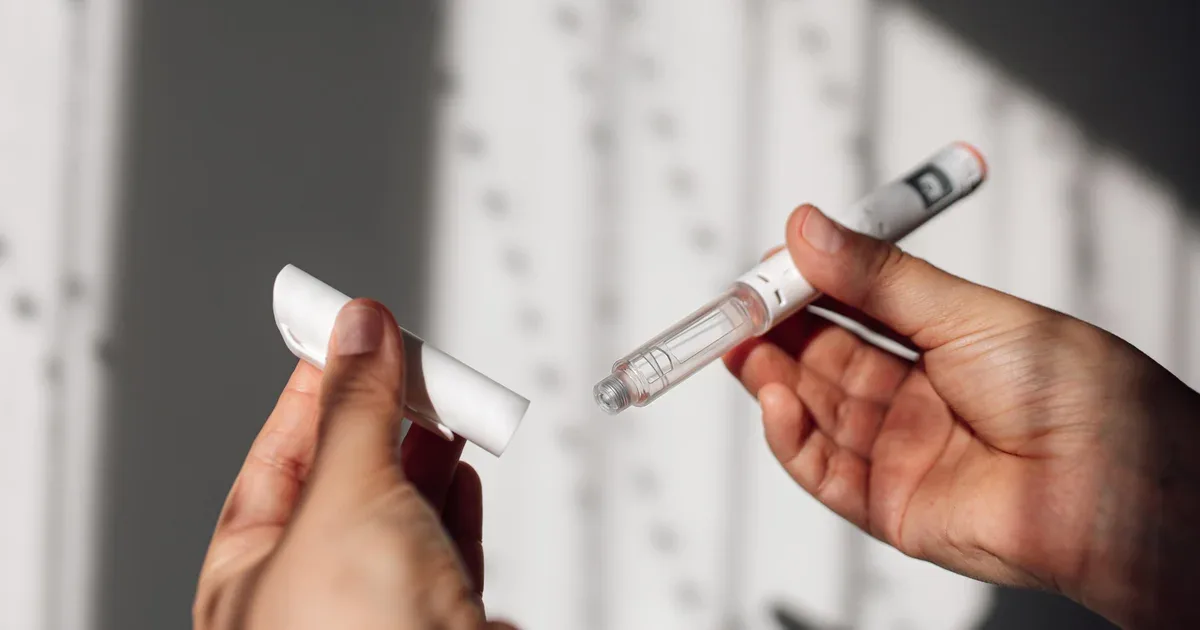

The World Health Organization (WHO) has issued new guidelines advocating for the use of GLP-1 drugs in the treatment of obesity. These guidelines suggest that GLP-1 therapies can be used long-term by adults, excluding pregnant women, when combined with intensive behavioral therapy.
On this page
Source Information
Originally published by CBS News.Read the original article →
Read next
Keep exploring
Same topic: obesity
Health & Wellness
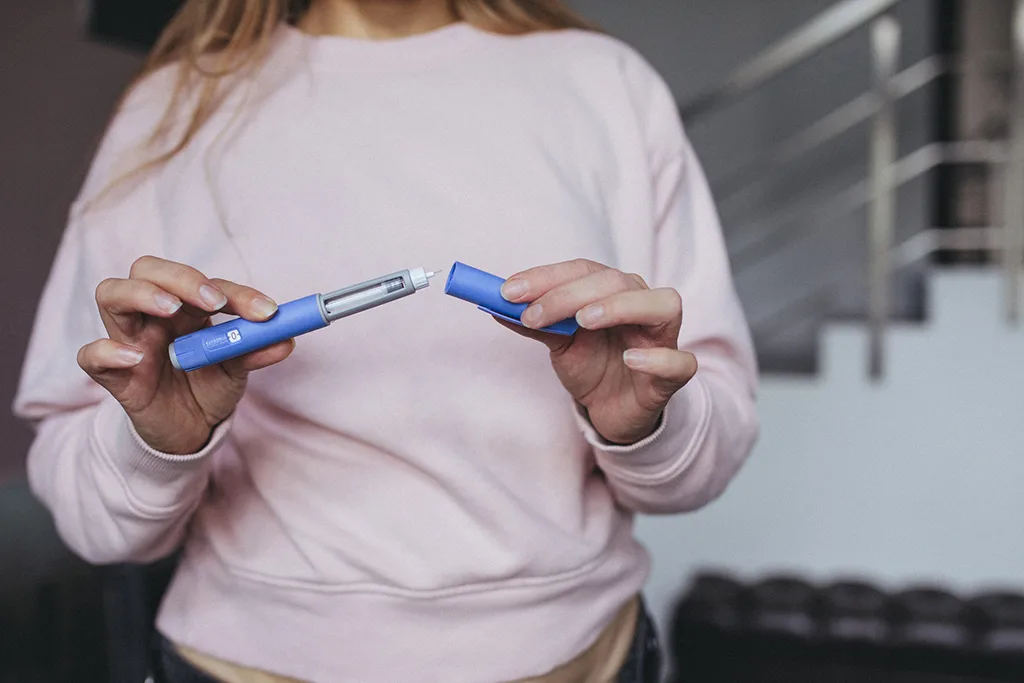
Eli Lilly, Novo Nordisk Address Awareness Gap for Medicare’s $50 GLP-1 Program
Learn how the new Medicare GLP-1 Bridge program works, which drugs are covered, and why major pharmaceutical companies are leading the awareness push for the $50 copay initiative.
8 min read
Medical Research
Eli Lilly's Retatrutide Shows Cardiovascular and Diabetic Benefits in Trials
Eli Lilly's investigational drug, retatrutide, has shown promising results in clinical trials, offering substantial weight loss and significant improvements in cardiovascular health and type 2 diabetes management.
7 min read
Pharmaceutical Industry News
Samsung Biologics Acquires PolyPeptide for $1.8 Billion to Expand Peptide Therapeutics
Samsung Biologics has announced a major acquisition of PolyPeptide Group AG for $1.8 billion, marking a strategic expansion into the rapidly growing peptide therapeutics market, particularly for GLP-1 drugs.
8 min readMore in Health
Health
FastMed Introduces Online Weight Loss Program with Legitimate GLP-1 Medication
In response to the increasing demand for GLP-1 weight-management solutions and the risks associated with unregulated online sales, FastMed has launched a program providing a secure and compliant channel for individuals seeking weight management assistance. The platform emphasizes the importance of medical supervision when using prescription weight-loss medications.
2 min read
Health
GLP-1s: Understanding the Evolution of Weight-Loss Medications
Weight-loss drugs, particularly those mimicking GLP-1, have gained significant traction. This article delves into their functionality, efficacy, side effects, accessibility challenges, and the emergence of more accessible pill versions.
6 min read
Health
US Greenlights First GLP-1 Tablet for Weight Management
Novo Nordisk recently announced that the FDA has approved its GLP-1 anti-obesity drug, Wegovy, in pill form. This new oral version provides a convenient alternative to injections for weight loss in adults with obesity or weight-related health issues.
3 min read