Obesity: A Complex Condition
In 2025, India experienced a notable transformation in the management of obesity with the introduction of GLP-1 receptor agonists (GLP-1s). These medications, primarily intended for
diabetes management, have also become popular for weight loss. The launch of
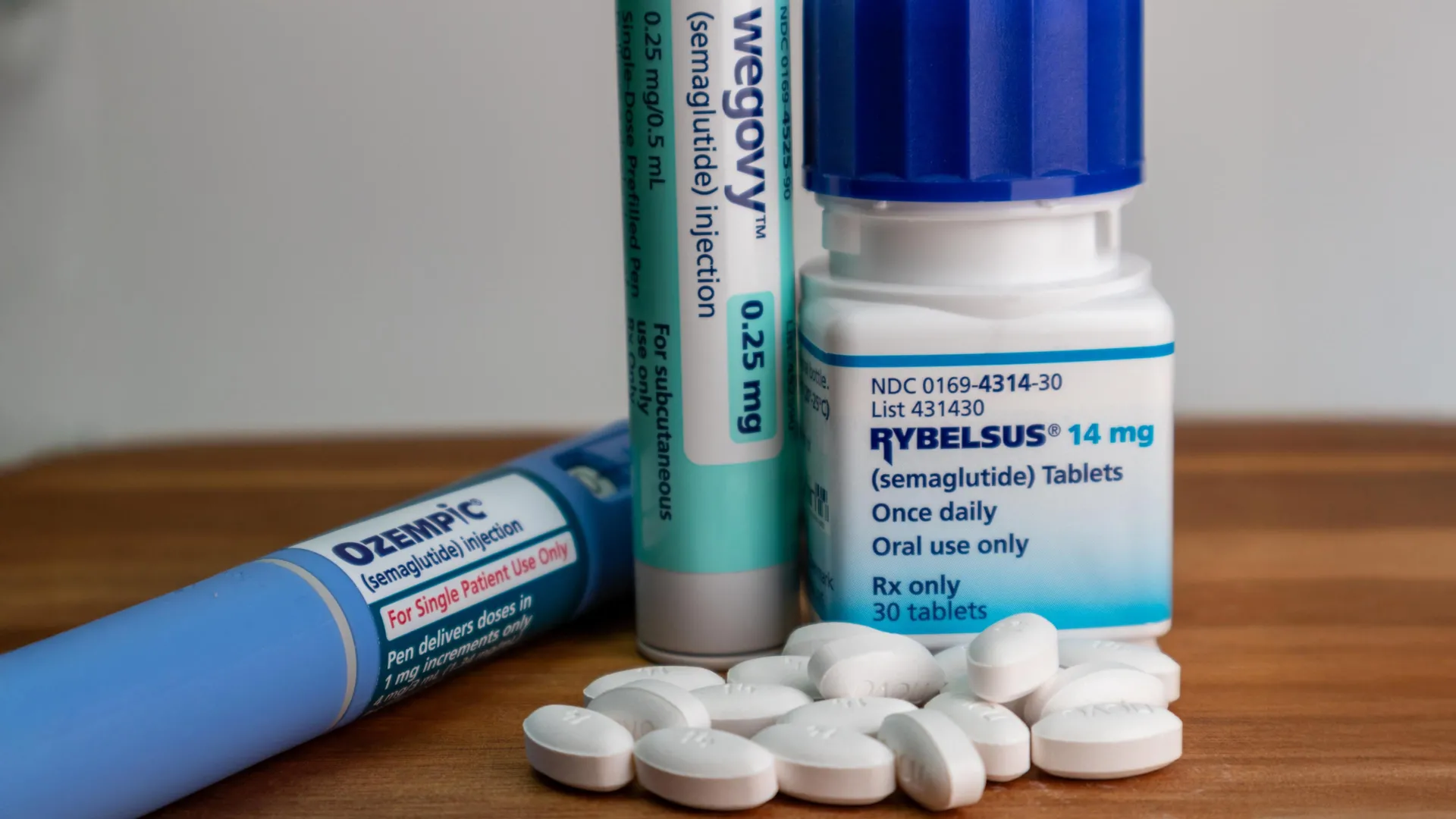
Ozempic (
semaglutide) in India, a blockbuster diabetes drug, exemplifies this trend. While effective for blood sugar control, Ozempic has become recognized as a 'weight loss drug' in recent years. The urgency for their introduction arises from the high rates of diabetes and obesity in India. Consequently, medications for diabetes and weight loss are anticipated to become one of the fastest-growing segments in the pharmaceutical market.
Understanding GLP-1s
GLP-1 receptor agonists function by mimicking the glucagon-like
peptide-1 hormone, crucial in regulating appetite and
insulin secretion. These medications, upon administration, stimulate insulin production in response to meals, slow down gastric emptying, and diminish hunger sensations. Consequently, they aid patients in achieving improved glycemic control.
In addition to regulating blood sugar, GLP-1s facilitate weight loss by curbing appetite. By acting on the appetite centers within the brain, they can induce a feeling of fullness more quickly and decrease overall food consumption. Furthermore, they slow gastric emptying, prolonging the feeling of fullness after eating and reducing calorie intake. Clinical research indicates that individuals using GLP-1 agonists can achieve a 5-15% reduction in body weight, which can significantly enhance overall health indicators. Health tracking apps like
Shotlee can help monitor progress and side effects during this treatment.
The Growing Trend
India is often referred to as the diabetes capital of the world. Statistics show that over 77 million adults in India had been diagnosed with diabetes in 2021. This number is projected to increase significantly due to changes in lifestyle, inactive habits, and increased consumption of high-calorie, low-nutrient foods. Obesity, frequently seen as the primary cause of numerous health issues, is a recognized lifestyle disorder impacting millions of Indians. Therefore, the need for effective management strategies has become critical.
However, experts across the globe emphasize that these medications are not a simple fix for weight loss.
Obesity: A Lifestyle Disorder
It's important to recognize that obesity is a complex lifestyle disorder, often influenced by genetic, environmental, and behavioral factors. While GLP-1s can support weight loss, they are not a complete solution. Effective weight management demands a comprehensive strategy that includes dietary modifications, consistent physical activity, and psychological support.
Sustainable weight loss is typically attained through lifestyle adjustments rather than solely depending on medications. GLP-1s can be a valuable asset for individuals who have struggled with obesity for an extended period. However, they should not substitute the fundamental elements of a healthy lifestyle. Furthermore, these drugs should only be used after consulting with a healthcare professional to determine their suitability based on an individual's current health status.
Are GLP-1s the Healthiest Approach to Weight Loss?
While GLP-1s offer a pathway for weight loss with noticeable results, it's crucial to use them carefully. These medications should not take the place of the foundations of healthy living. The most effective method for losing weight remains a balanced diet, regular exercise, and psychological well-being.
Moreover, GLP-1s have potential side effects, including gastrointestinal problems, a risk of pancreatitis, and possible interactions with other medications. As with any pharmacological intervention, individuals should carefully consider the benefits versus the risks and seek advice from healthcare professionals before commencing treatment.
Considerations Before Using GLP-1s
Prior to choosing GLP-1s for weight loss, consider the following points:
- Medical consultation: Consult with a healthcare provider to assess if GLP-1s align with your health status and condition.
- Lifestyle commitment: Commit to lifestyle modification. Medications yield better results when paired with healthy eating habits and consistent exercise.
- Side effect monitoring: Watch out for potential side effects like nausea or digestive issues and assess their effects on your daily routines.
- Long-term use: Understanding that sustainable weight management needs long-term lifestyle changes, and medication is a supportive rather than a standalone measure.
- Education and support: Seek educational resources and support groups to guide you in changing habits and improving overall health.
Precautions and Safety Tips
If you're thinking about using GLP-1s or have a prescription, here are some tips for safe and effective use:
- Strictly adhere to dosage and administration guidelines from your doctor.
- If you have diabetes, regularly monitor blood sugar levels to prevent hypoglycemia (very low blood sugar levels).
- Combine GLP-1s with a balanced diet rich in whole foods, fruits, vegetables, and lean proteins for optimal benefits.
- Incorporate regular exercise to enhance weight loss and improve overall well-being.
- Monitor for potential side effects like nausea or gastrointestinal issues and report them to your healthcare provider. Regular follow-ups, initially every 4-6 weeks, are recommended to assess tolerability and weight trend.
Obesity can be effectively managed by focusing on nutritious eating, regular physical activity, and maintaining consistency. A comprehensive strategy centered on healthy lifestyle choices enables individuals to achieve lasting results. As the health landscape evolves, GLP-1s provide hope but must be integrated into a broader strategy that emphasizes overall wellness and preventive care.