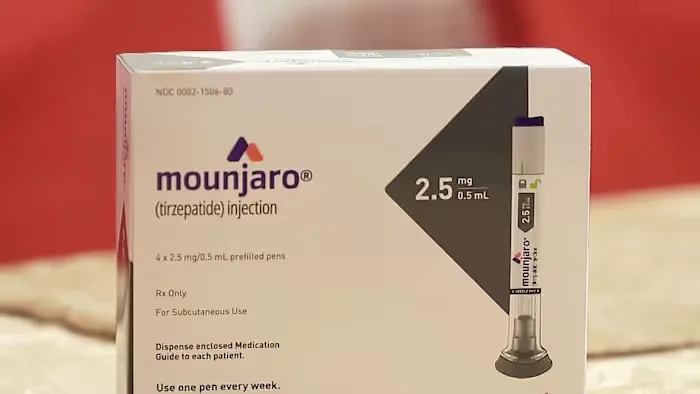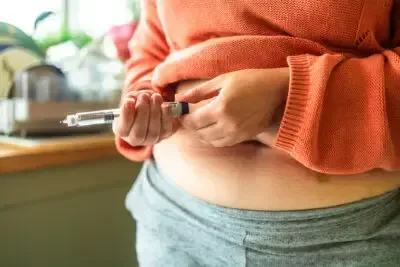

Research indicates that ceasing weight loss medications results in weight rebound and a reversal of positive impacts on cardiovascular and metabolic health indicators, including elevated cholesterol and high blood pressure. Findings from a study in The BMJ demonstrate that the typical speed of weight return is 0.4 kg per month following treatment cessation, with body weight and diabetes and heart disease risk factors expected to revert to baseline within fewer than two years.
Additionally, the velocity of weight recapture after discontinuing these drugs is roughly four times quicker compared to changes through diet and exercise, regardless of the initial weight shed during therapy.
Study Insights and Limitations
The investigators note that although these medications excel at initial weight reduction, they might not suffice for sustained weight management on their own. The emergence of potent obesity treatments like glucagon-like peptide-1 (GLP-1) receptor agonists, such as semaglutide and tirzepatide, has revolutionized obesity care. However, it's projected that about half of individuals with obesity quit GLP-1 drugs within a year, making it crucial to examine subsequent effects on weight and risks for conditions like diabetes and cardiovascular disease.
To investigate this, scientists from the University of Oxford reviewed clinical trials and observational research comparing licensed weight loss pharmaceuticals in adults against non-pharmacological approaches, like behavioral weight management programs, or placebos. The included studies differed in design and quality, but bias risks were evaluated using standard methods. Thirty-seven studies up to February 2025, encompassing 9,341 participants, were analyzed. Treatment lasted an average of 39 weeks, with follow-up averaging 32 weeks.
Individuals on weight loss drugs experienced an average monthly gain of 0.4 kg post-treatment and were forecasted to reach pre-treatment weight in 1.7 years. All cardiometabolic risk indicators were anticipated to return to original levels within 1.4 years after drug discontinuation.
Precision tracking for your journey
Join thousands using Shotlee to accurately track GLP-1 medications and side effects.
📱 Get the Shotlee App
Track your GLP-1 medications, peptides, and health metrics on the go with our mobile app!
Comparative Analysis
Moreover, monthly weight regain was swifter following pharmaceutical interventions than behavioral programs by 0.3 kg, not dependent on initial loss. The researchers recognize constraints, such as only eight studies evaluating newer GLP-1 drugs with a maximum post-stop follow-up of 12 months, and limited low-bias research.
Despite this, they employed three analytical approaches yielding consistent outcomes, bolstering confidence. Consequently, they advise caution against brief medication use, advocate for investigations into affordable long-term control methods, and stress primary prevention.
Editorial Perspectives
A US expert in a related commentary challenges the idea that GLP-1 receptor agonists offer a flawless obesity solution. He urges users to recognize high drop-off rates and cessation repercussions, recommending that nutritious eating and lifestyle routines form the cornerstone of obesity care, with these drugs as supplements.
Such habits not only avert excess weight accumulation but also deliver broader health advantages beyond mere weight regulation. Health tracking apps like Shotlee can assist in monitoring progress and maintaining these lifestyle changes effectively.