
Wegovy's Weight Loss Hype Meets Reality: What Americans Should Know
If you've been seeing Wegovy all over TikTok and in US headlines, you're not imagining it. Novo Nordisk's weekly weight-loss injection has become the face of the new "abnehm" (slimming) trend—but the real story is more complicated than "Hollywood shot" soundbites. As a prescription GLP-1 receptor agonist, Wegovy (semaglutide) can help people with obesity lose a significant amount of weight, but it's also expensive, often hard to find in US pharmacies, and definitely not a casual wellness hack.
What Is Wegovy and How Does It Work?
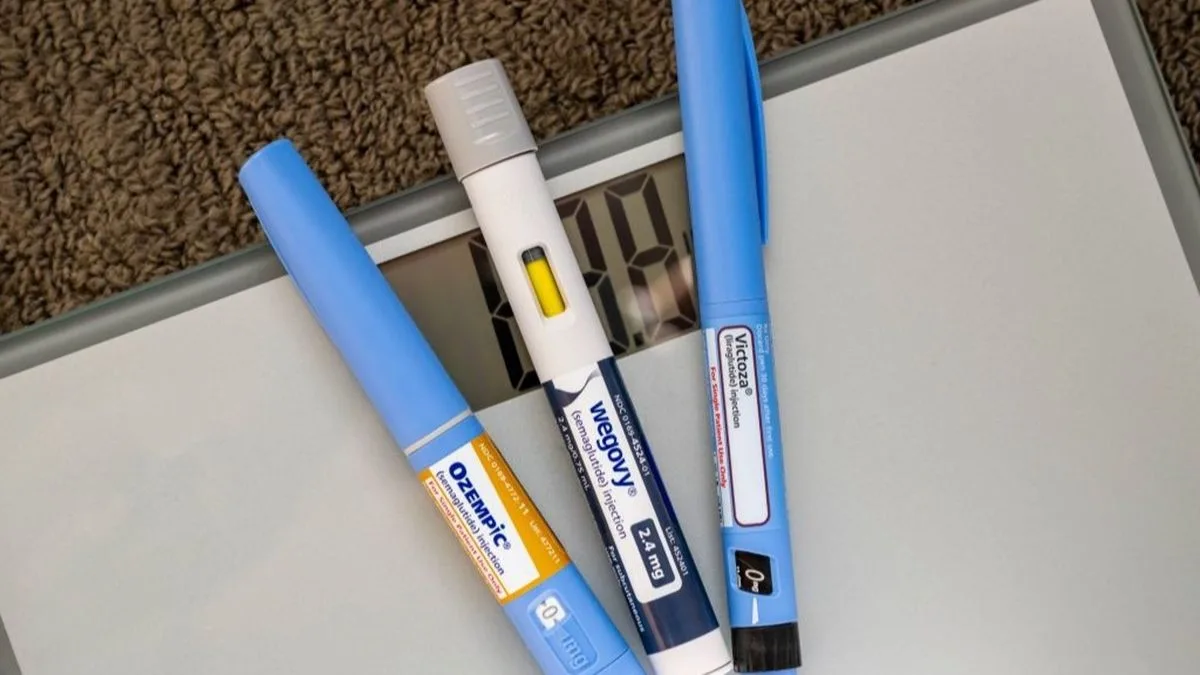
Wegovy is the brand name for semaglutide, a GLP-1 receptor agonist originally developed for type 2 diabetes under the name Ozempic and then approved at a higher dose for chronic weight management. In the US, it's approved by the FDA for adults and certain teens with obesity or overweight plus a weight-related condition.
GLP-1 drugs like Wegovy mimic the glucagon-like peptide-1 hormone, which regulates blood sugar, slows gastric emptying, and signals fullness to the brain. This dual action reduces appetite and caloric intake, leading to sustained weight loss when combined with diet and exercise. Clinical trial data shows double-digit percentage weight loss for many patients, making it a powerful tool for those struggling with obesity—a chronic condition affecting over 40% of American adults, according to the CDC.
Key Differences from Ozempic
- Dosage: Wegovy uses higher doses (up to 2.4 mg weekly) specifically for weight loss, while Ozempic maxes at 2 mg for diabetes.
- Indications: Both treat related metabolic issues, but Wegovy's label focuses on obesity management.
- Supply Chain: Shared semaglutide production has led to shortages for both.
The Hype Surrounding Wegovy in the US
The hype comes from nonstop attention from celebrities, influencers, and even Silicon Valley founders. Over the past year, major US outlets and medical experts have described GLP-1 drugs like Wegovy as a potential "game changer" for obesity—but also a stress test for US healthcare, insurance coverage, and drug supply.
The US is at the center of the Wegovy story for three reasons: the scale of obesity, market size, and cultural influence. US healthcare spending on obesity-related conditions is enormous, prompting regulators, insurers, and employers to watch closely. The drug isn't just a personal health decision; it's becoming a policy and workplace conversation about who should get access and who pays for it.
American social media and celebrities are exporting the "weight loss shot" narrative worldwide. In German-language media and online forums, Wegovy is framed as part of an "Abnehm-Trend" (slimming trend). In the US, it's a "GLP-1 lifestyle boom," with people asking their primary care doctor for the drug after a viral TikTok or celebrity interview.
Clinical Evidence and Real-World Outcomes
Trials like STEP (Semaglutide Treatment Effect in People with obesity) demonstrated average weight loss of 15-20% over 68 weeks, far surpassing lifestyle interventions alone. However, US doctors and obesity specialists push back on the "trend" label. They emphasize that obesity is a chronic, relapsing disease and Wegovy is intended as long-term treatment, not a quick seasonal cut before vacation. Stop the injections, and many people regain much of the lost weight.
Recent US health and business media coverage—from the New York Times, Wall Street Journal, CNN, and major medical centers—highlights key themes: supply shortages, skyrocketing demand, insurance battles, and long-term sustainability.
Safety Considerations and Side Effects
Common side effects include nausea, vomiting, diarrhea, and constipation, often improving over time. Rare risks like pancreatitis or thyroid tumors are monitored via FDA warnings. Regulators and professional societies warn against off-label, unsupervised use, including buying semaglutide from online compounding pharmacies or social-media-promoted clinics. The FDA has issued alerts about counterfeit and unapproved versions.
Precision tracking for your journey
Join thousands using Shotlee to accurately track GLP-1 medications and side effects.
📱 Get the Shotlee App
Track your GLP-1 medications, peptides, and health metrics on the go with our mobile app!
For tracking symptoms or side effects, tools like Shotlee can help patients log injections, appetite changes, and GI issues to share with doctors.
Patient Experiences: From Reddit to TikTok
On Reddit (r/loseit, r/obesity, and semaglutide-specific threads), US users discuss Wegovy in practical terms: dosing ramps, side effect management, and combining with therapy or diet apps.
On X (Twitter) and TikTok, conversations are polarized. Some call Wegovy "life-changing," sharing before/after photos with big confidence boosts. Others raise concerns about over-medicalizing weight, long-term dependency, and insurance changes.
"When you strip away the hype, the US expert view on Wegovy ends up in a nuanced middle ground: powerful, promising, but not magic."
Challenges for Americans: Access, Cost, and Coverage
Availability and Shortages
High demand has caused persistent US pharmacy shortages, with patients facing weeks-long waits or switching to alternatives.
Cost and Insurance
List price exceeds $1,300 monthly without coverage. Medicare often excludes weight-loss drugs, though some employers and private insurers cover for comorbidities like hypertension. Learn more about Wegovy directly from Novo Nordisk.
What Should Americans Considering Wegovy Do?
If you're in the US and considering Wegovy, experts suggest viewing it less as a "trend" and more as a serious medical option for a serious medical condition. That means:
- Consult an obesity specialist or endocrinologist, not just your primary care doctor.
- Discuss BMI (≥30 or ≥27 with conditions), medical history, and alternatives like tirzepatide (Zepbound) or older drugs.
- Commit to lifestyle changes: diet, exercise, behavioral support.
- Plan for titration (starting low to minimize side effects) and long-term use.
- Monitor for side effects and consider tools for adherence tracking.
Key Takeaways: Wegovy in Context
- Proven Efficacy: Double-digit weight loss in trials for eligible patients.
- Not a Miracle: Requires ongoing use; weight regain common upon stopping.
- US-Specific Hurdles: Shortages, high costs, variable coverage.
- Safety First: Avoid unapproved sources; work with healthcare providers.
- Broader Impact: Reshaping obesity policy, workplace wellness, and cultural views on weight.
Conclusion: A Thoughtful Path Forward
Novo Nordisk, through Wegovy and related GLP-1 drugs, is reshaping how the US thinks about weight. Whether that becomes a story of broader health gains or deeper inequality will depend on access, regulation, and thoughtful use by doctors, patients, and policymakers. For now, Wegovy sits at the center of the US "Abnehm-Trend": a powerful tool for some, out of reach for others, and definitely not a casual shortcut. If you're going to join, the most important step isn't a hashtag—it's an honest, detailed conversation with your doctor.
This guide draws from clinical data, FDA guidance, and real US patient discussions to provide balanced insights on Wegovy weight loss realities.