
Introduction to the Wegovy Pill Launch
In a milestone for obesity treatment, Novo Nordisk's oral formulation of Wegovy—semaglutide in pill form—garnered more than 18,000 prescriptions in the United States during its first full week on the market, ending January 16, 2026. According to IQVIA data cited by analysts, this robust debut outpaced early launches of both Novo's own injectable Wegovy and Eli Lilly's Zepbound, even as the weight-loss market has matured significantly.
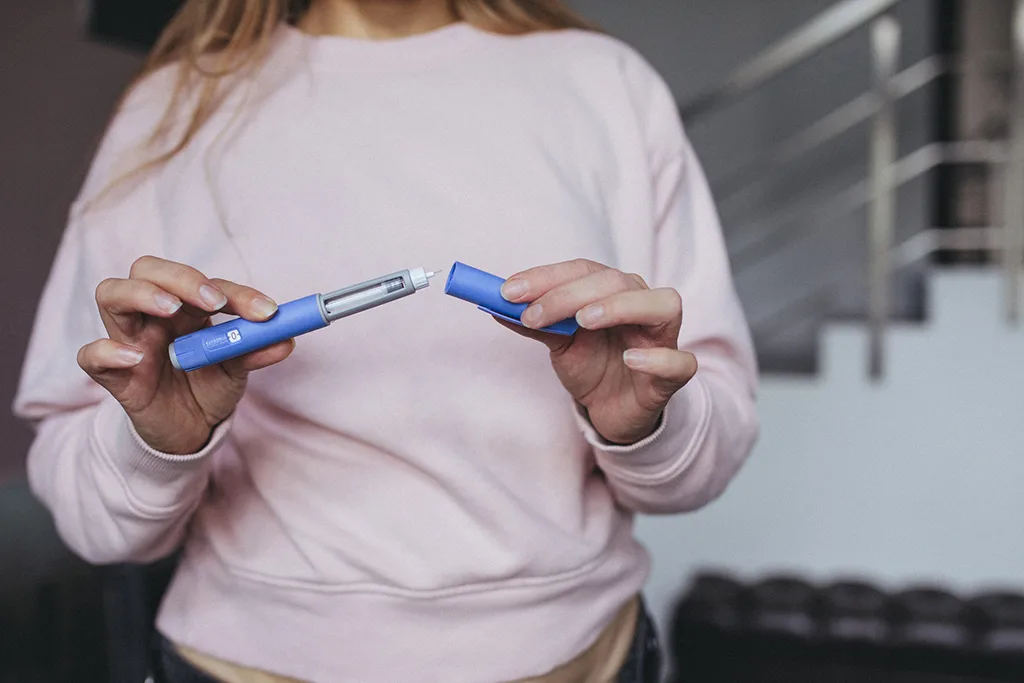
For patients tired of weekly injections, this needle-free alternative represents a game-changing step forward in GLP-1 receptor agonist therapy. But what drives this uptake? And does it signal the beginning of the end for injectables? This guide unpacks the launch data, clinical context, market dynamics, and practical implications for those exploring oral GLP-1 weight loss drugs.
What Is the Wegovy Pill?
The Wegovy pill is an oral version of semaglutide, the active ingredient in Novo's blockbuster injectable Wegovy (approved for chronic weight management) and Ozempic (for type 2 diabetes). Unlike its injectable counterparts, which use a modified semaglutide for once-weekly subcutaneous dosing, the pill leverages a specialized formulation with SNAC (sodium N-[8-(2-hydroxybenzoyl) amino] caprylate) to enhance gastrointestinal absorption.
This co-formulation protects semaglutide from stomach acid degradation, allowing ~1% bioavailability—enough to mimic injectable efficacy when taken daily on an empty stomach with minimal water. Approved by the FDA for obesity in adults with BMI ≥30 or ≥27 with weight-related conditions, it targets the same GLP-1 receptor in the brain and gut to suppress appetite, slow gastric emptying, and promote satiety.
Clinical Mechanism: How Oral Semaglutide Drives Weight Loss
GLP-1 agonists like semaglutide mimic the gut hormone glucagon-like peptide-1, which regulates blood sugar and hunger signals. Phase 3 trials, such as the PIONEER program for oral semaglutide (initially Rybelsus for diabetes), demonstrated 5-10% body weight reduction at higher doses. Novo adapted this for obesity, with Wegovy pill dosing starting at 3mg daily, titrating to 50mg over 16 weeks—far higher than Rybelsus's 14mg max for diabetes.
Key trial insight: In obesity-focused studies, oral semaglutide led to 15-17% weight loss at 68 weeks, comparable to injectable Wegovy's STEP trials (14.9-17.4%).
This positions Wegovy pill as a viable option for sustained metabolic health improvements, including better glycemic control and cardiovascular risk reduction, as seen in SELECT trial data for injectables.
Launch Data: A Stronger-Than-Expected Debut
The numbers tell a compelling story. In the first four days post-launch on January 5, 2026, the pill secured 3,071 prescriptions. By week's end, that surged to 18,410—a 25% stock rise for Novo Nordisk in January alone, reflecting investor confidence under new CEO Mike Doustdar.
- Outpacing Peers: Faster than injectable Wegovy's 2021 rollout and Zepbound's 2023 launch, per Barclays analyst James Gordon.
- Market Maturity Boost: Today's educated consumer base, post-GLP-1 hype, accelerates adoption.
- Cash-Pay Shift: Unlike insured injectables, the pill targets out-of-pocket buyers (~$1,300/month), emphasizing direct-to-consumer marketing.
Analysts note this as "very strong" early traction in a $100B+ obesity market, where GLP-1s already dominate prescriptions.
Wegovy Pill vs. Injectables: Pros, Cons, and Comparisons
Key Advantages of Oral GLP-1s
Needle-Free Convenience: Daily pill vs. weekly shots appeals to injection-averse patients—up to 30% discontinue injectables due to phobia, per surveys.
Flexibility: Easier to start/stop, travel-friendly, and discreet.
Precision tracking for your journey
Join thousands using Shotlee to accurately track GLP-1 medications and side effects.
📱 Get the Shotlee App
Track your GLP-1 medications, peptides, and health metrics on the go with our mobile app!
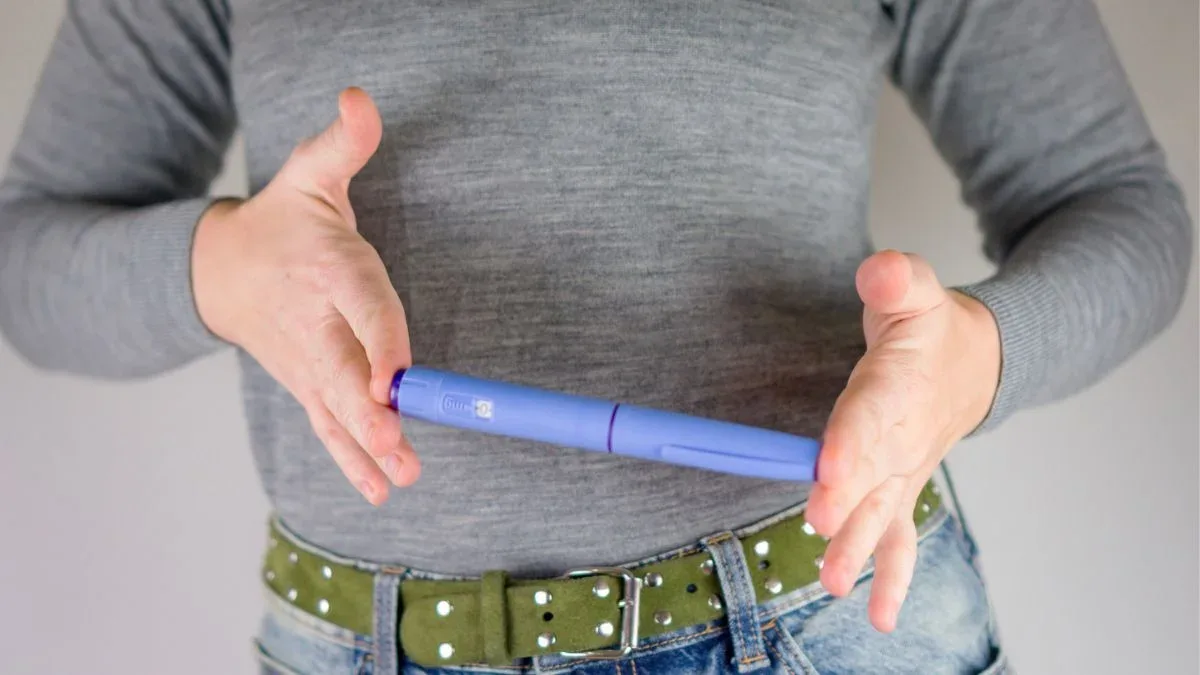
However, injectables retain edges: higher bioavailability (94% vs. 1%), weekly dosing, and established insurance coverage for many.
| Feature | Wegovy Pill | Wegovy Injectable | Zepbound Injectable |
|---|---|---|---|
| Dosing | Daily (3-50mg) | Weekly (0.25-2.4mg SC) | Weekly (2.5-15mg SC) |
| Weight Loss (Avg.) | 15-17% | 15-20% | 20-22% |
| Cost (Cash) | ~$1,300/mo | ~$1,350/mo | ~$1,100/mo |
| Side Effects | GI-dominant | GI-dominant | GI + muscle loss risk |
Ozempic vs. Wegovy Pill: Ozempic (injectable, lower dose) is off-label for weight loss; the pill offers obesity-specific dosing without diabetes requirement.
Side Effects and Management
Common issues mirror injectables: nausea (44% in trials), diarrhea, vomiting. Oral form may intensify GI effects due to daily exposure. Mitigation: Slow titration, hydration, small meals. Tools like Shotlee can track symptoms, side effects, and nutrition intake to optimize adherence and alert providers early.
Rare risks include pancreatitis, gallbladder issues—monitor with baseline labs. Contraindicated in medullary thyroid cancer history.
Market Competition: Novo vs. Lilly and Beyond
Novo's first-mover edge in oral Wegovy launch pressures Eli Lilly, whose orforglipron (non-peptide GLP-1 pill) awaits FDA decision by April 2026. Lilly's ACHIEVE Phase 3 trials showed 14.7% weight loss at 36 weeks, with once-daily dosing and potentially better tolerability.
Jefferies analyst Akash Tewari calls Wegovy's success "directionally encouraging" for orforglipron, as it validates oral demand. Yet, injectables like Mounjaro/Zepbound (tirzepatide, dual GLP-1/GIP) lead in efficacy (up to 22% loss), holding market share.
Future Outlook for Oral GLP-1 Weight Loss Drugs
Orals could capture 20-30% market share by 2030, per forecasts, blending with lifestyle interventions. Pair with high-protein diets, exercise for amplified results—studies show +5% loss synergy.
Practical Advice for Patients
Is Wegovy Pill Right for You? Ideal for BMI-eligible patients preferring orals, but consult providers for personalization. Combine with behavioral changes: Track progress via apps like Shotlee for symptoms and nutrition.
Dosing Guide: Week 1-4: 3mg; gradual escalation to maintenance 25-50mg. Take 30min before first meal, upright with ≤4oz water.
Conclusion
The Wegovy pill's 18,000+ prescription debut underscores surging demand for convenient GLP-1 therapies, challenging injectables while expanding access. With comparable efficacy, manageable sides, and a competitive pipeline, oral semaglutide heralds a flexible era in evidence-based weight management. Patients: Discuss with your doctor, integrate lifestyle support, and monitor closely for optimal outcomes.