The launch of Novo Nordisk's oral Wegovy (semaglutide) marks a pivotal moment in GLP-1-based weight management. With over 26,000 U.S. prescriptions in its second full week ended January 23, this pill is challenging the dominance of injectables and offering patients a convenient alternative. For those exploring GLP-1 medications like Ozempic, Wegovy, Mounjaro, or Zepbound, understanding this development is key to informed decisions on evidence-based weight loss.
What Is the Wegovy Pill?
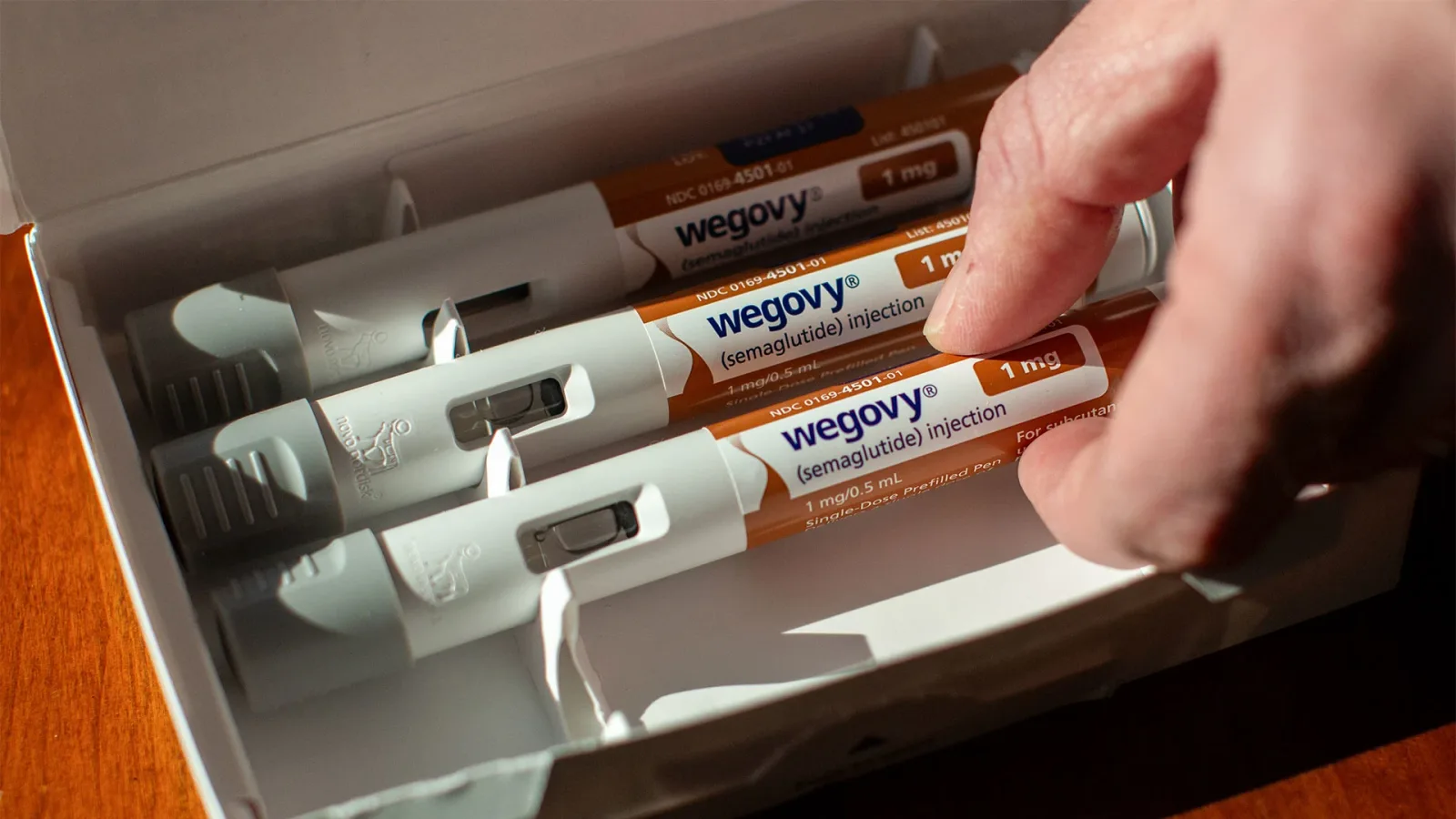
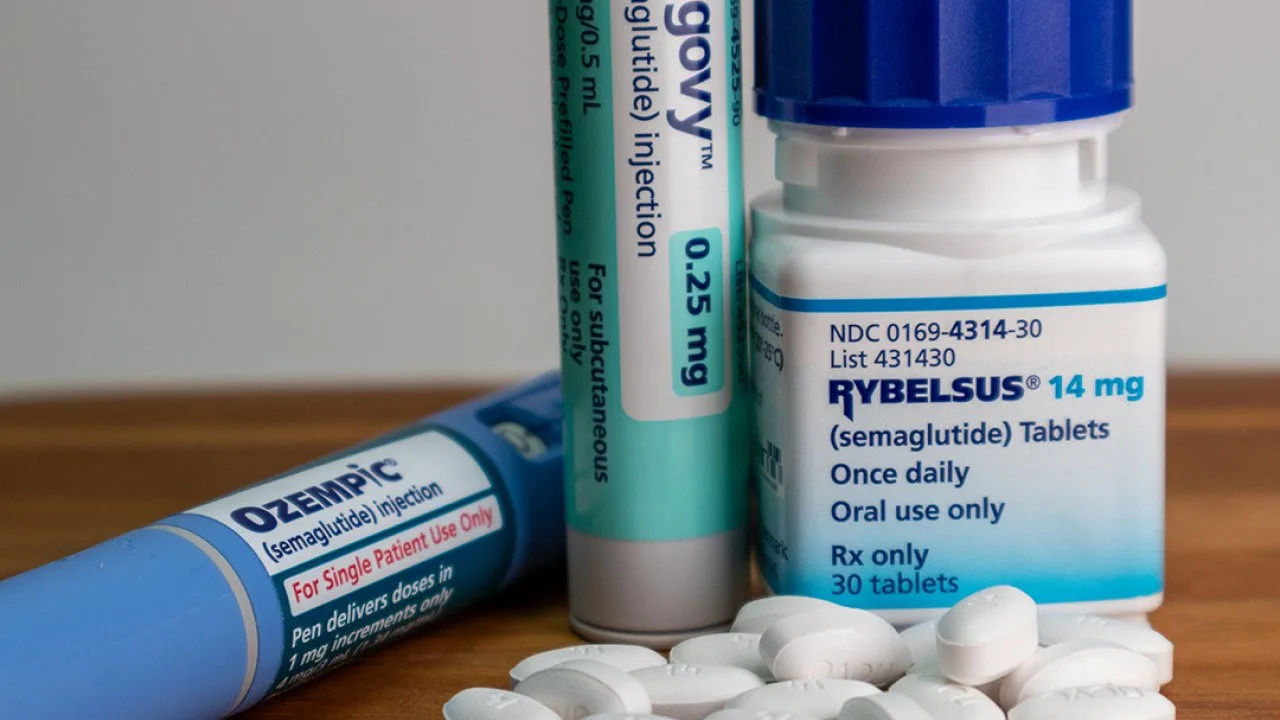
The Wegovy pill is an oral formulation of semaglutide, a glucagon-like peptide-1 (GLP-1) receptor agonist already familiar in injectable form as Wegovy and Ozempic. While Rybelsus—an oral semaglutide—was approved for type 2 diabetes in 2019, the Wegovy pill targets chronic weight management at higher doses, aligning with obesity indications.
Launched on January 5, it requires daily dosing on an empty stomach with minimal water (no more than 4 ounces), followed by a 30-minute fast. This regimen improves adherence for needle-averse patients but demands discipline compared to weekly shots.
Key Dosing for Oral Wegovy
- Starting dose: 3 mg daily for 30 days.
- Titration: Increase to 7 mg, then up to 14 mg or higher based on tolerance and response.
- Max dose: Potentially 50 mg in trials, far exceeding Rybelsus's 14 mg cap for diabetes.
These steps mimic injectable titration to minimize gastrointestinal side effects, a hallmark of GLP-1s.
Launch Performance: Prescription Data Deep Dive
IQVIA data reveals explosive early demand. In the first four days post-launch (January 5-8), prescriptions hit 3,071. By the week ended January 16, that jumped to over 18,000. The second full week (ended January 23) saw 26,109 prescriptions—a trajectory Barclays analysts called "very strong," outpacing prior GLP-1 launches.
Analysts note this signals robust uptake in the cash-paying consumer market, as drugmakers pivot from insurance-covered injectables.
Why the surge? Convenience drives it: no needles, pharmacy-friendly, and aligning with post-pandemic preferences for oral therapies. Investors eye this as Novo defending its ~60% GLP-1 market share against Eli Lilly's tirzepatide (Mounjaro/Zepbound).
Oral vs. Injectable GLP-1s: A Head-to-Head Comparison
Injectables like Wegovy (weekly subcutaneous) remain dominant due to superior bioavailability—nearly 100% vs. oral semaglutide's ~1% absorption, hampered by stomach acid degradation. Yet orals offer liberation from injections.
| Oral Wegovy | Injectable Wegovy | |
|---|---|---|
| Dosing | Daily, empty stomach | Weekly injection |
| Bioavailability | Low (1%), SNAC enhancer | High (~94%) |
| Weight Loss (STEP Trials) | ~15% at 50 mg (Phase 3) | 15-17% at 2.4 mg |
| Convenience | High (no needle) | Moderate (self-inject) |
| Cost | Similar list price (~$1,300/mo) | Similar |
Despite lower absorption, trials show comparable efficacy at higher doses. Injectables will dominate short-term, but orals could capture 20-30% market share by 2030 per analysts.