
Understanding Obesity as a Chronic Disease
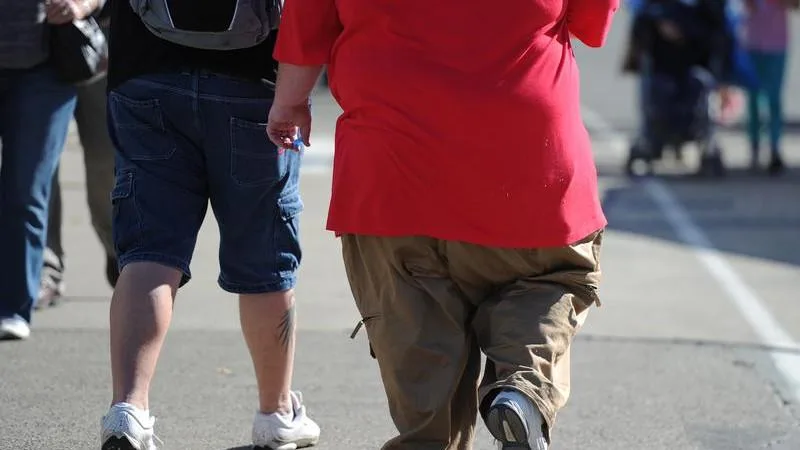
Obesity affects over 40% of adults in the U.S., driving risks for hypertension, heart failure, coronary artery disease, and dyslipidemia. It's not simply a matter of willpower but a multifactorial chronic condition influenced by genetics, environment, medications, and lifestyle. Traditional approaches like caloric deficits, high-protein/fiber diets, and exercise provide modest results, while older drugs such as phentermine, orlistat, and naltrexone/bupropion offer limited, short-term benefits.
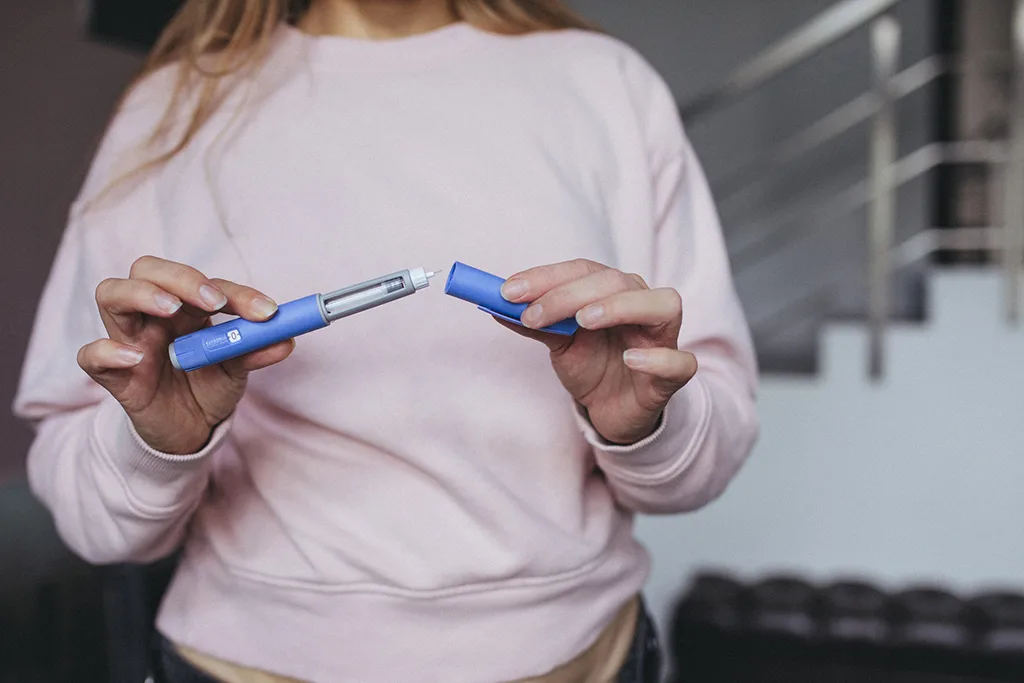
Enter GLP-1 receptor agonists like semaglutide (Ozempic, Wegovy) and dual GLP-1/GIP agonists like tirzepatide (Mounjaro, Zepbound). These injectable therapies mimic gut hormones to suppress appetite, slow gastric emptying, and improve insulin sensitivity, leading to 15-22% average weight loss in trials. However, a critical question persists: how long does this weight loss last after discontinuation? Studies show regain is common, reinforcing the need for lifelong management.
How GLP-1 and GLP-1/GIP Agonists Promote Weight Loss
GLP-1 agonists like semaglutide activate receptors in the brain and gut, signaling fullness and reducing food intake by up to 20-30%. Tirzepatide adds GIP agonism, enhancing fat metabolism and energy expenditure for superior results. Both improve cardiometabolic markers, but their effects wane without ongoing use due to the body's adaptive hunger signals.
Obesity relapse post-treatment mirrors addiction recovery: physiological drives resurface without intervention.
Tirzepatide: Evidence from the SURMOUNT-4 Trial
The phase 3 SURMOUNT-4 trial (NCT04660643), led by Louis Aronne et al., provides the strongest data on tirzepatide maintenance. It enrolled 670 adults with overweight or obesity (no diabetes) who first completed a 36-week open-label tirzepatide lead-in at maximum tolerated doses (5-15 mg weekly). Participants achieved 20.9% mean weight loss—translating to about 50 pounds for a 240-pound person.
They were then randomized to continue tirzepatide (n=335) or switch to placebo (n=335) for 52 more weeks (total 88 weeks). Results were stark:
- Tirzepatide group: Additional 5.5% loss (total ~25.3% from baseline).
- Placebo group: 14% regain from their week-36 low, erasing most gains.
Clinical context: This highlights tirzepatide's dose-dependent efficacy. Higher doses (10-15 mg) correlated with better retention, but gastrointestinal side effects (nausea, diarrhea) caused 6-10% dropout. Long-term use appears essential for sustainment.
Semaglutide: Insights from STEP 1 and Extension
The STEP 1 trial (NCT03548935) by John Wilding et al. tested semaglutide 2.4 mg weekly vs. placebo in 1,961 obese adults over 68 weeks. Semaglutide yielded 14.9-17.3% weight loss (vs. 2% placebo), with 86% achieving ≥5% loss.
The extension followed to week 120 (52 weeks post-discontinuation). The semaglutide group regained 11.6% of body weight from their nadir, while placebo regained 1.9%. Net loss at week 120: ~7% vs. baseline—half erased.
Deep dive: Regain was progressive, driven by returning appetite and reduced energy expenditure. Women regained more than men, per subgroup analysis.
Precision tracking for your journey
Join thousands using Shotlee to accurately track GLP-1 medications and side effects.
📱 Get the Shotlee App
Track your GLP-1 medications, peptides, and health metrics on the go with our mobile app!
Real-World Data on Weight Regain
Beyond trials, Bartelt et al.'s retrospective study of 20,274 semaglutide users (lost ≥5 lbs) tracked 12-month outcomes post-stopping:
- Month 3: 29% further loss/doubled loss, 39% maintenance, 32% regain.
- Month 12: 36% further loss, 20% maintenance, 44% regain.
For liraglutide (Saxenda, another GLP-1; n=17,733):
- Month 3: 28% further loss, 33% maintenance, 32% regain.
- Month 12: 35% further loss, 21% maintenance, 45% regain.
These patterns hold in diverse populations, but placebo arms in trials also showed modest regain (2-5%), suggesting lifestyle drift contributes. Tools like Shotlee can help track symptoms, side effects, and nutrition to bridge this gap during transitions.
Tirzepatide vs. Semaglutide: Head-to-Head on Durability
| Metric | Tirzepatide (SURMOUNT-4) | Semaglutide (STEP 1 Extension) |
|---|---|---|
| Peak Loss | 20.9% (36w lead-in) | 17.3% (68w) |
| Regain After Stop | 14% (52w) | 11.6% (52w) |
| Net Loss at End | 5.9% (placebo arm) | ~7% |
| Maintenance Rate | Continuers: 25.3% total | N/A (all stopped) |
Tirzepatide edges out on peak loss and continuation benefits, but both face ~2/3 regain risk off-drug. Head-to-head SURMOUNT-5 (ongoing) may clarify.
Why Does Weight Regain Happen?
Mechanisms include:
- Physiological adaptation: GLP-1 levels drop, unleashing hunger hormones like ghrelin.
- Metabolic compensation: Basal expenditure falls 5-10% post-loss.
- Behavioral factors: Loosened diet/exercise without monitoring.
Treat obesity chronically—like hypertension—with meds + lifestyle. Dosing: Semaglutide titrates to 2.4 mg; tirzepatide to 15 mg weekly.
Managing Side Effects and Transitions
Common issues (nausea 20-40%, vomiting 5-10%) peak early; hydrate, eat small meals. For discontinuation, taper slowly or switch therapies. Integrate Shotlee for logging intake, mood, and A1c to personalize.
Practical Strategies for Long-Term Success
- Lifestyle synergy: Protein >1.6g/kg, fiber 30g/day, resistance training 3x/week preserves muscle (lost 20-40% on GLP-1s).
- Monitoring: Weekly weighs, DEXA scans quarterly.
- Chronic therapy: 70-80% trial responders maintain on-drug; consider lowest effective dose.
- Alternatives: If intolerant, retatrutide (triple agonist) in trials.
Conclusion
Tirzepatide and semaglutide revolutionize weight loss—20%+ reductions—but durability demands ongoing commitment. SURMOUNT-4 and STEP data show 11-14% regain off-therapy, mirroring real-world trends. View these as tools in a chronic disease toolkit: pair with habits for lasting metabolic health. Consult providers for personalized plans; evidence supports hope with realism.