
The Heated Race to Dominate the Booming GLP-1 Medication Arena
Three prominent pharmaceutical companies are currently competing for the lead in the rapidly expanding GLP-1 drug market.
The GLP-1 drug market is already experiencing significant growth, and projections suggest it will continue to surge in the coming years. These medications, which lower blood sugar and aid in weight reduction, are frequently prescribed for the effective management of type 2 diabetes and obesity. Health tracking apps like Shotlee can help monitor the effectiveness of these medications.
In 2024, the global GLP-1 market was valued at approximately $52 billion. Projections estimate a rise to $187 billion by 2032, representing an annual compound growth rate of nearly 17%. Some market growth projections are even more optimistic.
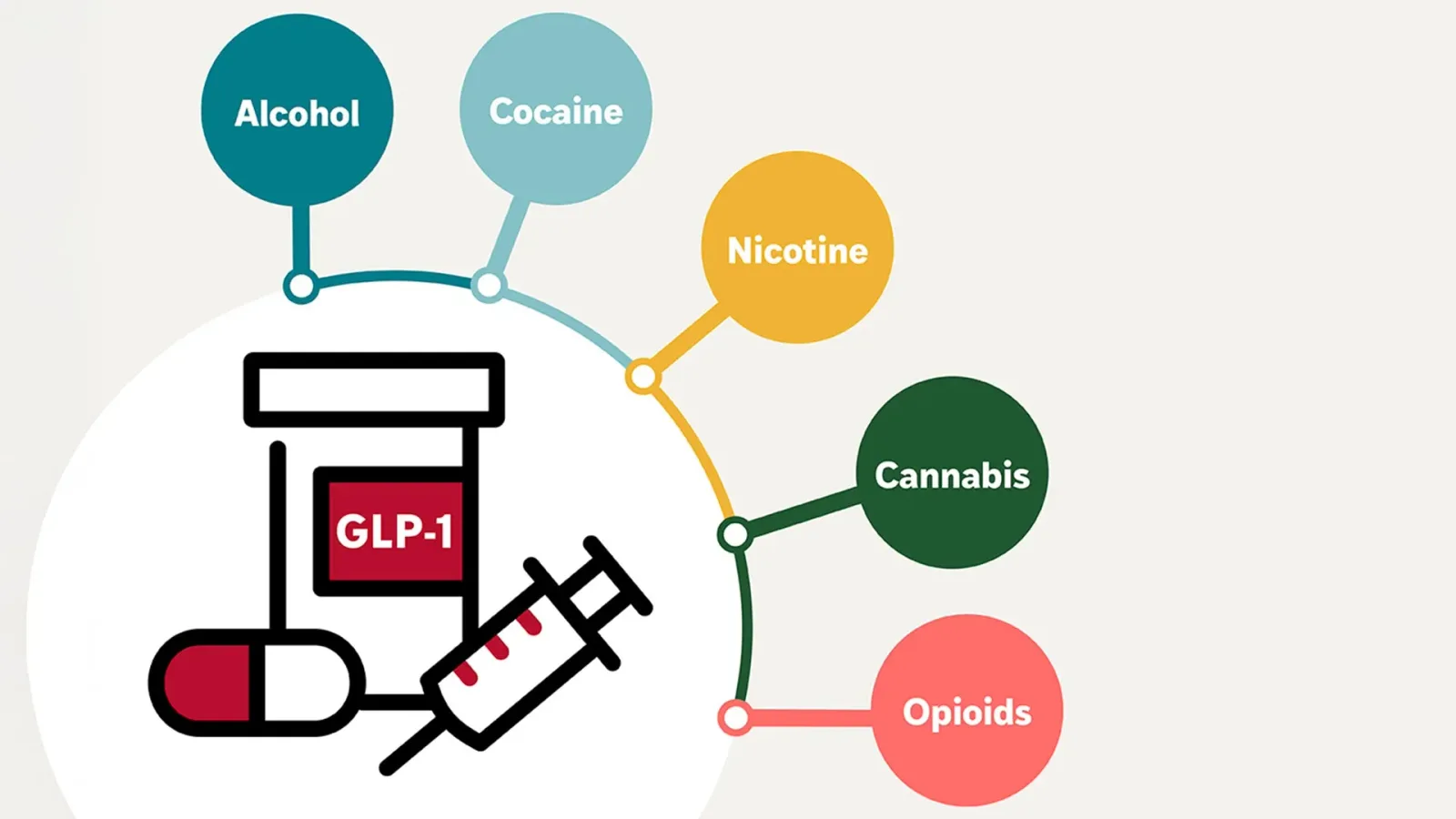
The number of U.S. patients initiating GLP-1 treatments for non-diabetic purposes has surged by 700% since 2019. Furthermore, GLP-1 drugs hold potential as treatments for conditions such as Parkinson's disease, Alzheimer's disease, arthritis, and addiction.
Consequently, competition for market share in the expanding GLP-1 sector is intense. Novo Nordisk and Eli Lilly are currently the frontrunners, while Pfizer aims to enter the market.
Market Leaders in GLP-1 Drugs
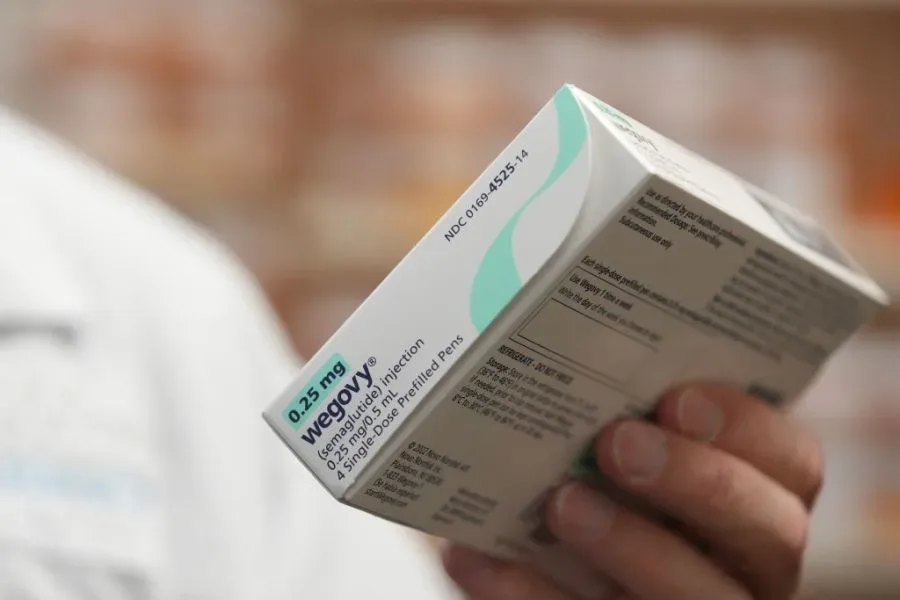
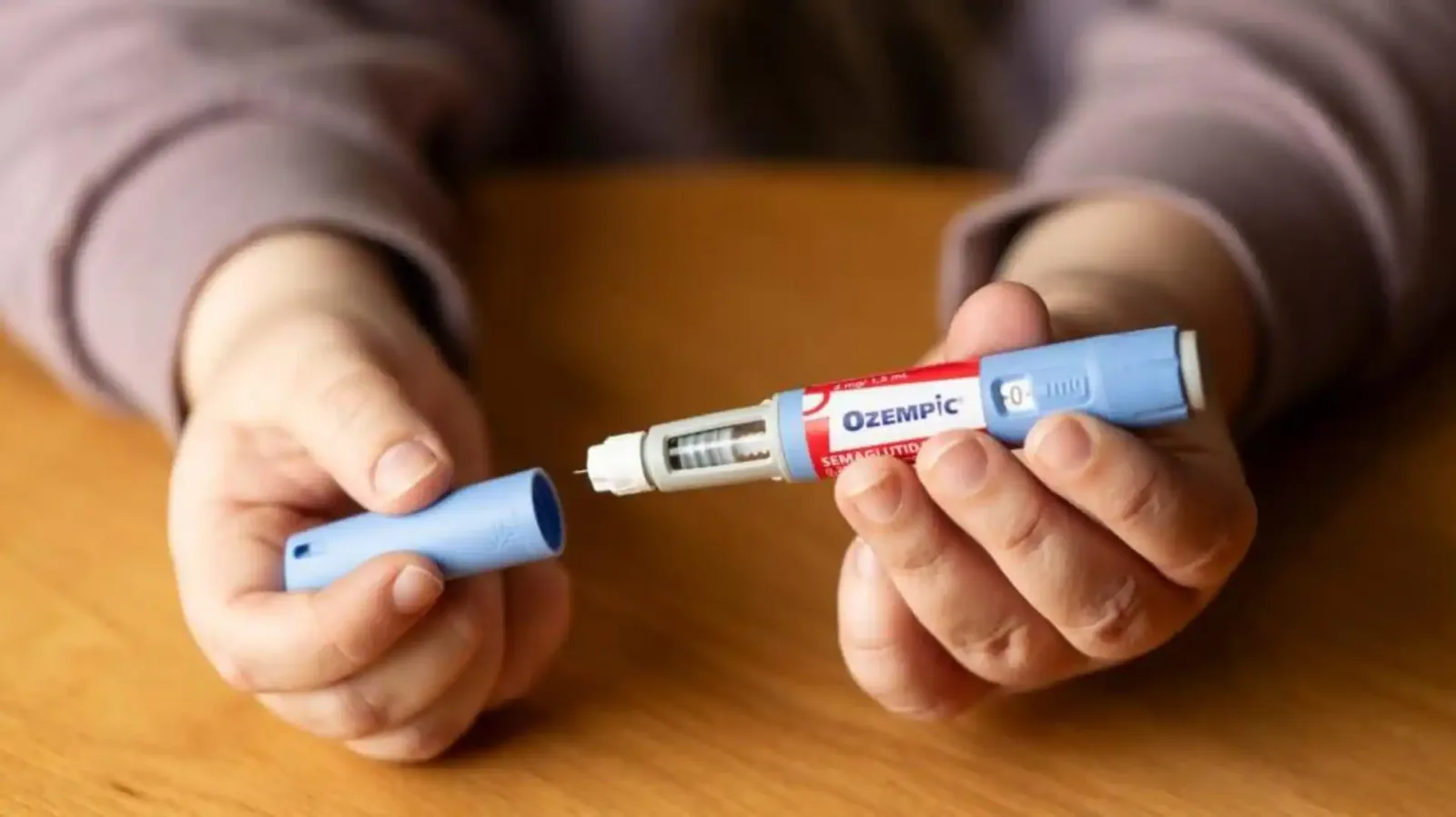
Novo Nordisk produces semaglutide, a GLP-1 drug marketed as Wegovy for weight loss and Ozempic for type 2 diabetes. Third-quarter Wegovy sales reached approximately $3.1 billion, an 18% increase year-over-year. Ozempic sales rose by 9% to $4.7 billion. Due to the success of these drugs, Novo Nordisk, based in Denmark, became Europe's largest company by market capitalization last year.
Eli Lilly manufactures tirzepatide, a GLP-1 drug sold as Mounjaro for type 2 diabetes and Zepbound for weight loss. In the third quarter, tirzepatide became the world's top-selling drug, surpassing Merck's Keytruda with year-to-date sales of $24.8 billion.
Pfizer's Entry Strategy
Pfizer is now entering the weight-loss market. In September, they revealed intentions to acquire Metsera, a biopharmaceutical firm developing obesity treatments, for $4.9 billion.
Precision tracking for your journey
Join thousands using Shotlee to accurately track GLP-1 medications and side effects.
📱 Get the Shotlee App
Track your GLP-1 medications, peptides, and health metrics on the go with our mobile app!
However, Novo Nordisk has also bid on Metsera, creating a competition to acquire the start-up.
Novo Nordisk's Challenges
Novo Nordisk's share price is facing pressure due to several factors. Following the release of its third-quarter results on Nov. 5, the market reacted negatively. Earnings per share of 4.5 Danish krone ($0.70) on revenue of $11.6 billion fell short of expectations of $0.77 per share on sales of $11.8 billion.
The company also lowered its full-year outlook for 2025. Sales and operating profit growth are now projected to be 4 and 6 percentage points lower, respectively, due to reduced growth expectations for Novo Nordisk's GLP-1 treatments.
Deals with the Trump Administration
Both Eli Lilly and Novo Nordisk may gain increased access to U.S. patients after reaching agreements with the Trump administration. These deals involve significant price reductions for their anti-obesity drugs for Medicare and Medicaid patients in exchange for a three-year grace period from tariffs.
While the companies will offer their drugs at significantly lower prices -- Zepbound's price for these patients will decrease from $1,000 to $299 per month -- they will gain greater access to Medicare payments. As the largest payer for U.S. health services, Medicare access could be highly beneficial for these drugmakers.
Stock Performance
Year-to-date, Novo Nordisk's share price has decreased by 46%, and Pfizer's is down 6%, while Eli Lilly's stock has increased by 21% due to its growing market share and positive performance.
While the three companies will continue to compete, Eli Lilly and Novo Nordisk have an advantage, and Pfizer is working to catch up. For investors seeking to capitalize on the GLP-1 market's expansion, Eli Lilly currently appears to be the most promising option.