The Consumerization of Weight-Loss Treatments
When industry leaders discuss upcoming trends in obesity medications, their comparisons reveal a lot: envisioning GLP-1 drug subscriptions akin to video streaming services, dose management via smartphone interfaces, and obtaining treatments with the simplicity of purchasing athletic footwear. This perspective highlights how pharmaceutical firms like Novo Nordisk and Lilly aim to introduce oral formulations to complement their injectable successes, utilizing direct-pay options and telehealth to connect with vast numbers of American consumers.
Representing the forthcoming major investment in a worldwide obesity sector projected to reach $150 billion by the next decade, these potent GLP-1 therapies have revolutionized care by integrating into everyday life, much like a workout or a puzzle-solving activity.
Conversations with around 36 industry insiders—from retailers and manufacturers to telehealth specialists and financiers—illustrate the industry's pivot to cater more directly to user preferences.
Envisioning Widespread Adoption Through Apps
According to Catherine Brown, vice president of clinical services at digital health company Welldoc, these therapies might become commonplace, with dedicated applications on devices alongside financial and meteorological apps. Welldoc collaborates with Lilly to develop tools for reminders and dose logging.
Rachel, a 61-year-old former IT professional from California, began using telehealth provider Noom in 2021 for non-drug weight management. She continues with their platform after achieving her goals using Lilly's Zepbound, finding the frequent health insights helpful for maintaining focus.
She explained, 'Each day includes a brief mental refreshment check-in, aiding my awareness.'
Advantages of Oral Formulations
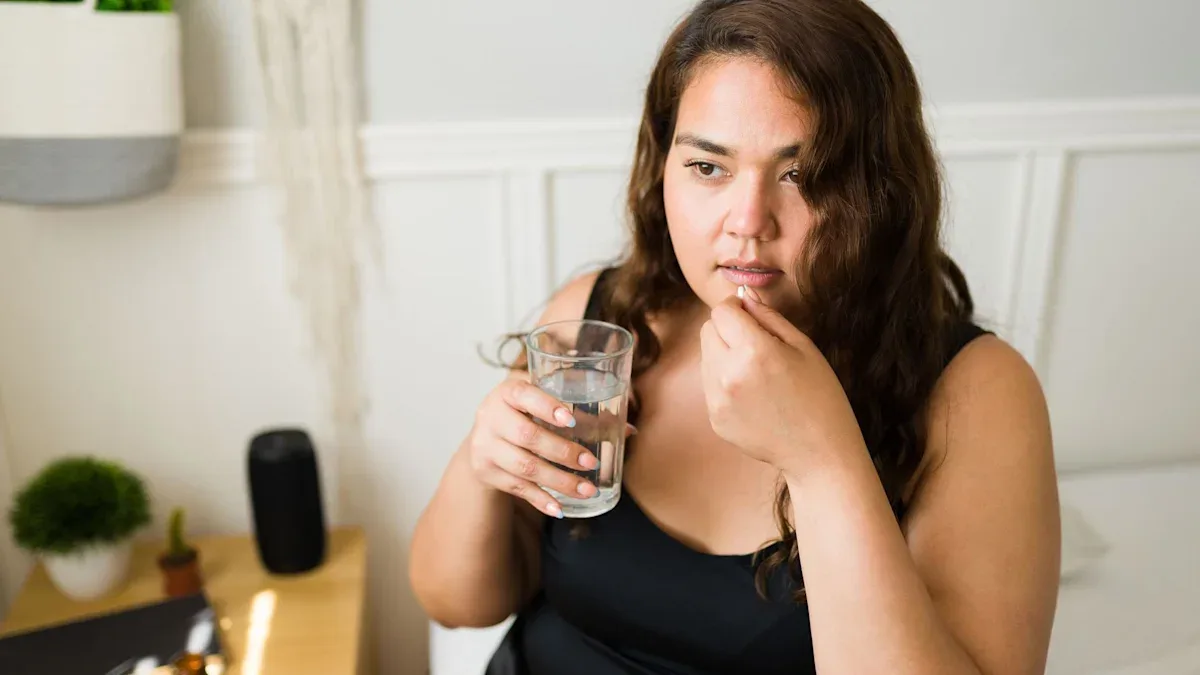
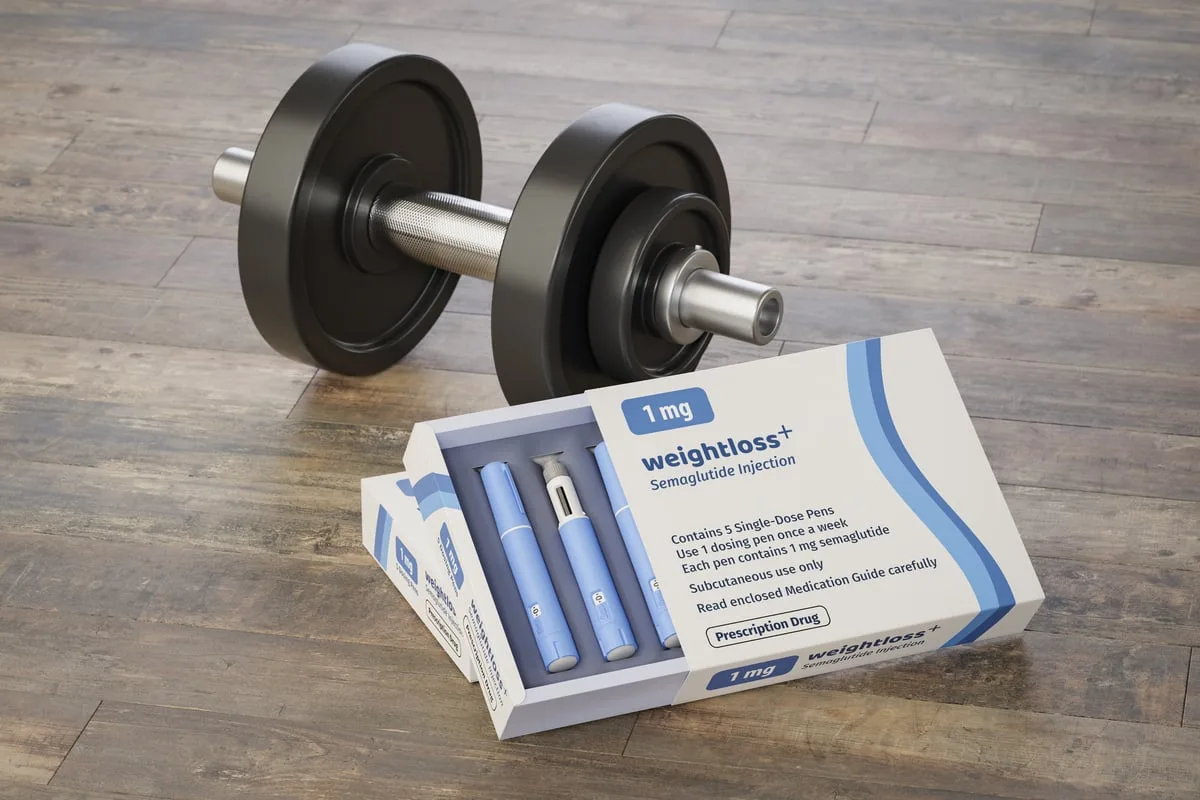
Novo's Wegovy and Lilly's Zepbound come in weekly pre-filled injection devices. However, daily tablets could appeal to those averse to injections, provide options for smaller doses, or permit skipping days, as noted by analysts and telehealth entities.
This flexibility supports holiday-specific plans or post-weight-loss upkeep, consultants suggest.
If tablets gain traction and become more budget-friendly, direct-pay methods could rival traditional insurance-based models, where coverage and expenses depend on plans.
Shifting from Medical to Market Access
Lindsay Allen, a health economist at Northwestern University's Feinberg School of Medicine, remarked on the telehealth approach for GLP-1s: 'It removes medication from clinical settings and turns it into a standard marketplace item, comparable to acquiring a mobile device.'
Novo's daily Wegovy tablet received US approval recently and is slated for release in early January 2026.
Lilly's oral candidate, orforglipron, awaits regulatory approval and may arrive soon.
Both firms intend to price initial tablet doses at $149 monthly for direct-paying US clients, improving affordability without insurance support. Government programs like Medicare and Medicaid may broaden coverage.
Novo hasn't disclosed pricing for escalated doses, whereas Lilly will limit it to $399 monthly for ongoing direct purchases.
Broader Effects and Challenges
This transformation carries significant health, societal, and economic ramifications. Eli Lilly achieved a trillion-dollar market cap this year. Denmark's Novo substantially boosts its nation's economy and held Europe's top-listed company spot in 2024, despite recent dips in Wegovy sales.
Manufacturers are recruiting consumer-oriented talent, forging alliances with telehealth and retail giants such as Amazon.com, and using external promotions that sometimes blend medical and lifestyle messaging.
Lilly CEO Dave Ricks commented on the Cheeky Pint podcast in November: 'By reducing costs, I can reach more individuals efficiently without heavy reliance on healthcare infrastructure. Consumers recognize their own weight issues and don't require professional diagnosis.'
However, Dr. Robert Kushner, an obesity expert at Northwestern's Feinberg School of Medicine, worries about patient safety with direct channels that forgo proper oversight.
While these medications offer extras like cardiovascular benefits and sleep apnea relief, drawbacks include intense digestive issues and infrequent cases of pancreatitis, mood disorders, and vision loss. Unexplored long-term dangers persist.
Kushner warned: 'There's a risk of downplaying obesity. We must exercise caution regarding eligibility, application, and safe, effective use.'
Precision tracking for your journey
Join thousands using Shotlee to accurately track GLP-1 medications and side effects.
📱 Get the Shotlee App
Track your GLP-1 medications, peptides, and health metrics on the go with our mobile app!
Market Expansion Potential
GLP-1 therapies are poised to become the largest drug category ever. Roughly three-quarters of US adults face overweight or obesity issues. Yet, a fresh survey indicates just 12% use GLP-1 drugs currently.
Oral options could boost this figure by creating direct consumer pathways that sidestep some conventional barriers, experts believe.
Novo CEO Mike Doustdar informed investors in October that the obesity sector is growing more consumer-focused. Unlike diabetes care, where patients hesitate with new regimens, here individuals actively seek treatments.
Novo reports direct-pay clients represent 10% of Wegovy US weekly scripts. For Lilly's Zepbound, it's about 30%, per IQVIA data provided to Reuters analysts.
Novo will introduce the Wegovy tablet via multiple direct channels immediately, bypassing insurance waits. Lilly notes its pill could scale internationally if greenlit.
Role of Intermediaries and Marketing
Manufacturers maintain their own consumer platforms, but intermediaries such as Noom, Ro, and WeightWatchers are key for virtual prescriber connections.
These entities focus on holistic lifestyle enhancements over disease management, easing pharmaceutical ad regulations.
Ro CEO Zachariah Reitano stated: 'Clients approach us for weight reduction, vitality, reduced discomfort, and improved complexion—we tailor care accordingly.'
LifeMD CEO Justin Schreiber highlighted how online services combine Novo and Lilly products with virtual support and fund their own promotions, acting as 'free marketing' for producers.
Patients often choose online routes due to privacy concerns with local physicians and extended wait times for prescriptions.
Kevin Gade, chief operating officer at Lilly investor Bahl & Gaynor, anticipates low-dose tablets drawing in those aiming to stave off weight increases, not just those targeting existing excess.
He described their mindset: 'With holidays approaching, I'm not focused on shedding pounds but preventing additional gain.'
Behavioral Shifts and Promotion
Most interviewed experts agree daily tablets won't supplant injections but will widen the market and foster new user habits.
Noom CEO Geoff Cook said: 'We aim to instill health as a routine, making app-based daily weight-loss practices enjoyable.'
Health-advertising expert Erin Willis at the University of Colorado-Boulder noted consumers face GLP-1 promotions 'from all angles' via manufacturers, telehealth, and compounders, raising general knowledge.
Telehealth firms are ramping up TikTok ads and engaging methods like forum memes on Reddit ahead of tablet releases.
Similar to Viagra's strategy, GLP-1 promotion may emphasize boosted self-esteem, better-fitting attire, and 'optimal living,' according to Northeastern University marketing professor Koen Pauwels.
Celebrity backing, including Serena Williams and Charles Barkley in Ro campaigns this year, plus public figures like Oprah Winfrey and Elon Musk sharing their experiences, has fueled this.
Northwestern's Allen queried: 'What other drug lets you identify which stars reportedly use it?'
Health tracking apps like Shotlee can assist in monitoring daily routines and medication adherence for those integrating GLP-1 treatments into lifestyle changes.