
Super Bowl LX Ads Feature AI, Weight-Loss Drugs & Celebs
In the high-stakes world of Super Bowl LX ads, advertisers are vying for the attention of over 120 million viewers as the New England Patriots face off against the Seattle Seahawks. Airing on NBC, Super Bowl 60 (LX) represents a cultural phenomenon where brands showcase their biggest pushes, from celebrity endorsements to emerging tech like AI and health innovations including GLP-1 weight-loss drugs. This year's lineup offers a telling snapshot of market priorities, with weight-loss medications taking center stage alongside nostalgic icons and futuristic gadgets.
Record-Breaking Prices and Massive Viewership
Super Bowl ads have long been the pinnacle of advertising, drawing unprecedented audiences. In 2025, a record 127.7 million U.S. viewers tuned in across television and streaming platforms, underscoring why demand remains sky-high. Live sporting events like the Super Bowl provide one of the last bastions for reaching broad demographics in a fragmented media landscape.
NBC sold out its ad inventory by September, with 30-second spots averaging $8 million—some fetching over $10 million, a new benchmark. Peter Lazarus, executive vice president of sports & Olympics advertising and partnerships for NBCUniversal, dubbed February—with the Super Bowl, Olympics, and NBA All-Star Game—a "legendary February." Notably, 40% of advertisers committed across NBC's sports properties, and 70% of Super Bowl buyers also invested in the Olympics.
Celebrities Dominate the Spotlight
Celebrity appearances remain a cornerstone of Super Bowl success, building instant goodwill. This year, Kendall Jenner stars in Fanatics Sportsbook's ad, riffing on the "Kardashian Kurse" where misfortune befalls basketball players she dates.
George Clooney fronts Grubhub's spot, promoting an "Eat the Fees" deal on orders over $50. Multi-celeb casts abound: Michelob Ultra features Kurt Russell training Lewis Pullman, with Olympic snowboarder Chloe Kim and hockey player T.J. Oshie spectating on a ski slope. Xfinity reunites Jurassic Park stars Sam Neill, Laura Dern, and Jeff Goldblum in a humorous reboot where a tech restores power to the island.
Uber Eats brings back Matthew McConaughey to persuade Bradley Cooper and Parker Posey that football fuels hunger for deliveries. Teasers hint at more: Ben Affleck returns for Dunkin' Donuts with Jennifer Aniston, Matt LeBlanc, and Jason Alexander; Poppi enlists Charli XCX and Rachel Sennott.
AI Takes Center Stage in Super Bowl LX Ads
AI-Powered Gadgets and Tools
For the second consecutive year, artificial intelligence is a prominent theme. Oakley Meta's dual spots showcase AI-enabled glasses, with Spike Lee and Marshawn Lynch capturing video and querying info in action sequences.
Wix Harmony promotes its AI-driven web design software, alongside Base44, an AI app builder. OpenAI teases an undisclosed ad, while Svedka Vodka collaborated with Silverside AI on a futuristic spot featuring robot mascots FemBot and BroBot. Sara Saunders, chief marketing officer at Sazerac (Svedka's 2025 owner), explained: "We reimagined the robot via AI... It took many months to rebuild her, to give her functionality and that human spirit."
Health, Telehealth, and the GLP-1 Weight-Loss Boom
Health and telehealth brands are flooding Super Bowl LX, reflecting surging consumer interest in wellness. Pharma giants spotlight screenings: Novartis pushes a prostate cancer blood test with the tagline "Relax your tight end," featuring football players unwinding. Boehringer Ingelheim's ad with Octavia Spencer and Sofia Vergara urges kidney disease screening. Liquid I.V. teases hydration-focused messaging.
Precision tracking for your journey
Join thousands using Shotlee to accurately track GLP-1 medications and side effects.
📱 Get the Shotlee App
Track your GLP-1 medications, peptides, and health metrics on the go with our mobile app!
GLP-1 Weight-Loss Drugs Steal the Show
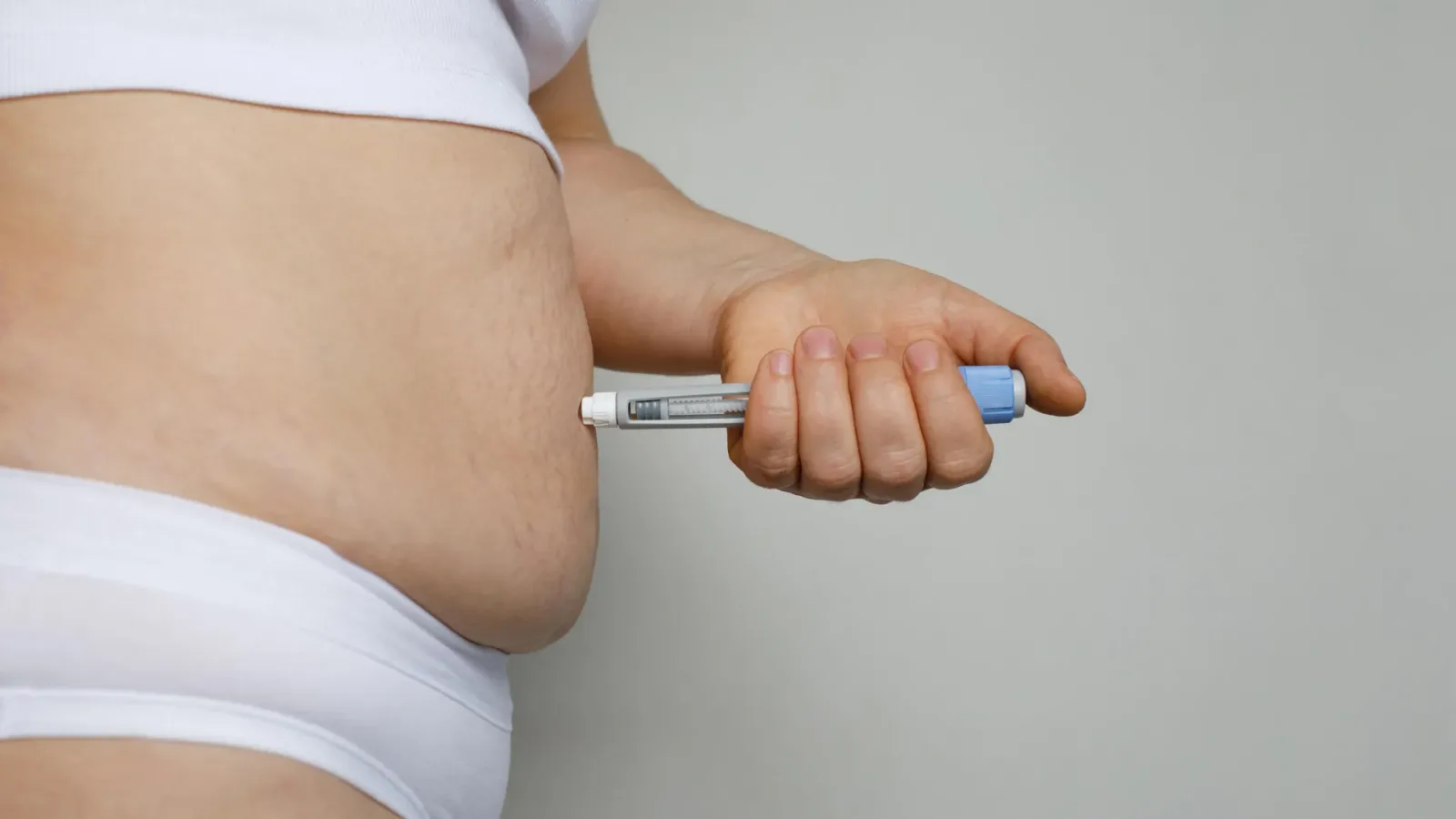
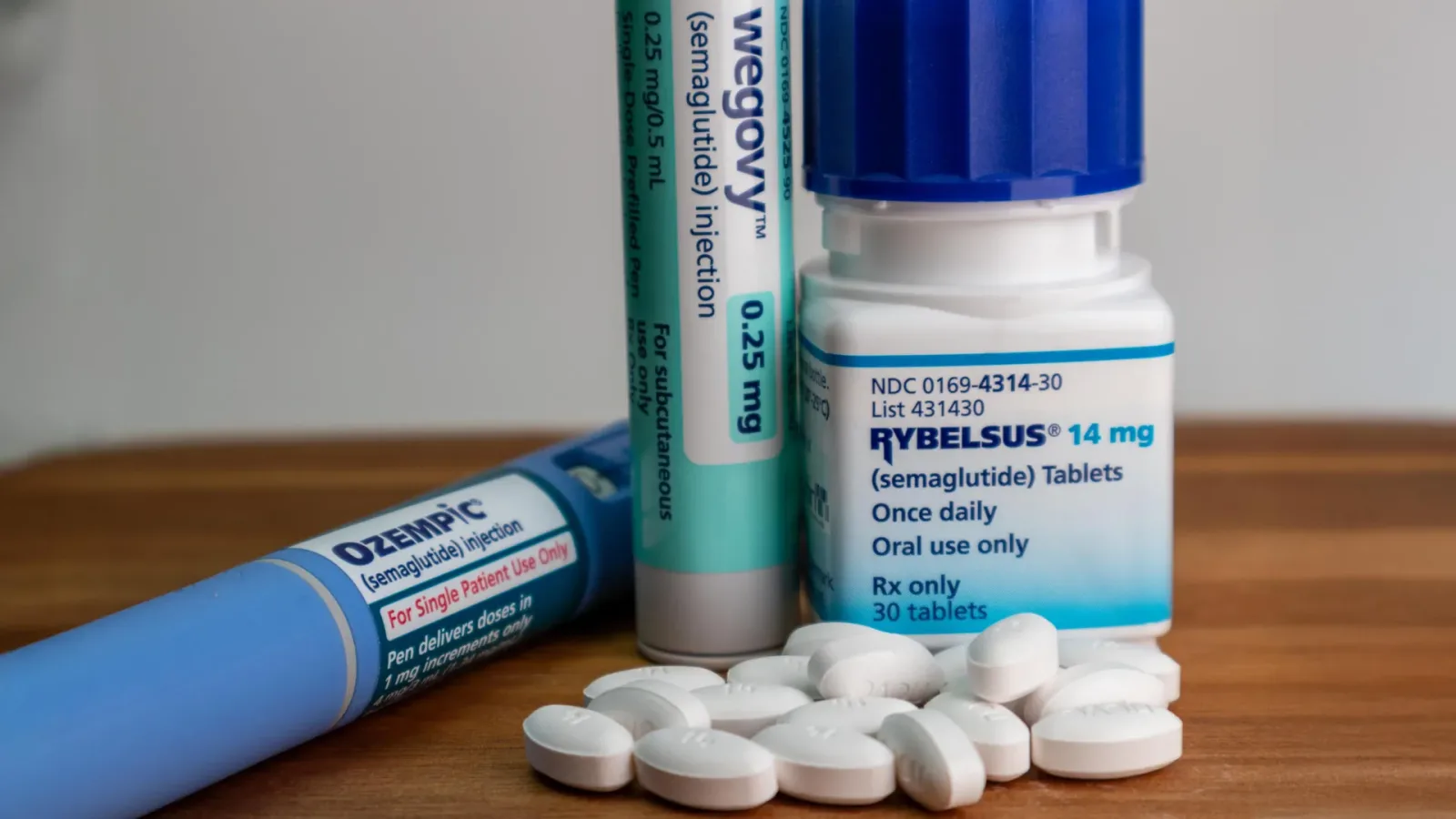
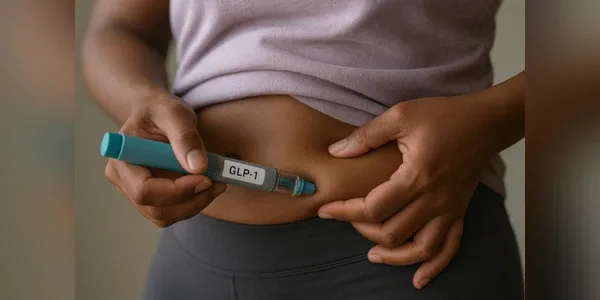
The real buzz centers on GLP-1 medications, glucagon-like peptide-1 receptor agonists originally developed for type 2 diabetes management but now renowned for substantial weight loss. Telehealth leader Ro deploys Serena Williams to advertise GLP-1 weight-loss drugs. Novo Nordisk, maker of Wegovy and Ozempic, has confirmed a spot. Hims & Hers emphasizes accessible GLP-1 options, positioning them as healthcare typically reserved for the affluent.
"You could call this the GLP-1 Super Bowl," notes Tim Calkins, clinical professor of marketing at Northwestern University. "Often you don't see a lot from pharmaceutical companies on the Super Bowl, but this year we're going to see quite a few showing up."
Why GLP-1 Drugs Matter: Clinical Context
GLP-1 drugs like Ozempic (semaglutide) and Wegovy mimic the GLP-1 hormone, slowing gastric emptying, reducing appetite, and improving insulin sensitivity. This mechanism drives 15-20% average body weight reduction in clinical trials, alongside benefits for metabolic health. Their Super Bowl presence signals mainstream adoption amid off-label use for obesity.
For patients considering GLP-1 therapy, consult a healthcare provider to assess suitability, especially with conditions like cardiovascular disease or gastrointestinal issues. Common side effects include nausea, vomiting, and diarrhea, often transient; tools like Shotlee can help track symptoms and medication adherence for better outcomes.
Safety Considerations and Comparisons
While effective, GLP-1s require monitoring for risks like pancreatitis or thyroid concerns. Compared to alternatives like older weight-loss pills (e.g., phentermine), GLP-1s offer sustained results with cardiovascular protections in some studies. Telehealth platforms like Ro and Hims & Hers lower barriers via compounded versions, but FDA-approved options from Novo Nordisk set the gold standard.
Discuss with your doctor: Are GLP-1s right for you? Pairing with diet, exercise, and lifestyle changes maximizes benefits.
Tried-and-True Themes and Surprises
Not all ads chase trends. Budweiser's emotional tribute marks its 150th anniversary, following a Clydesdale foal and bald eagle to Lynyrd Skynyrd's "Free Bird." Pepsi escalates the Cola Wars, showing polar bears preferring Pepsi Zero Sugar over Coke Zero on a "kiss cam."
Fewer automakers participate, but Cadillac hints at its new Formula 1 car. Villanova's Charles Taylor predicts a light tone amid global tensions: "The vast majority of brands will avoid any dark or divisive tone... allowing consumers to escape troubled times."
Key Takeaways: What Super Bowl LX Ads Reveal
- Super Bowl LX ads blend nostalgia, celebs, AI, and health tech, with GLP-1 weight-loss drugs marking pharma's bold entry.
- Record $8-10M spots reflect 127.7M viewers and live TV's enduring power.
- Health ads highlight accessible GLP-1s from Ro, Hims & Hers, and Novo Nordisk's Ozempic/Wegovy—consult pros for personalized use.
- AI evolves from gimmick to practical tool in spots from Oakley Meta to Svedka.
Conclusion: Implications for Patients and Marketers
Super Bowl LX ads mirror America's obsessions: celebrity allure, tech innovation, and health transformation via GLP-1 weight-loss drugs. For patients eyeing Ozempic or Wegovy, these spots amplify awareness but underscore the need for medical guidance. Track your journey with apps like Shotlee for side effects and progress. As pharma invests millions, expect sustained momentum in metabolic health conversations.