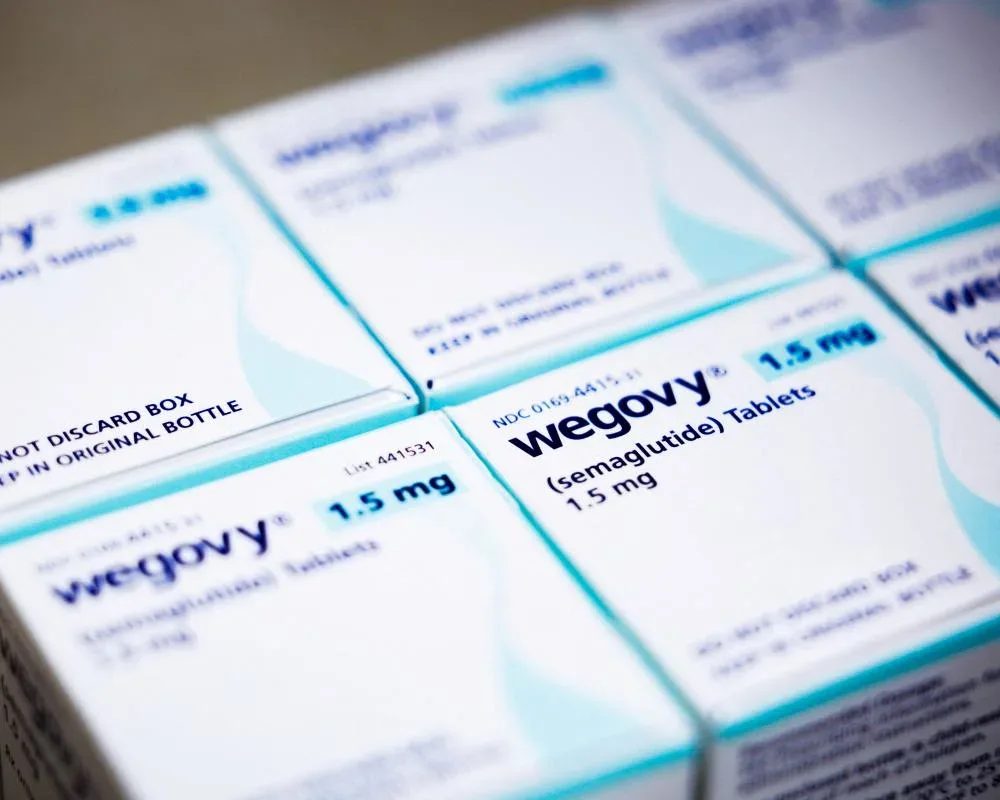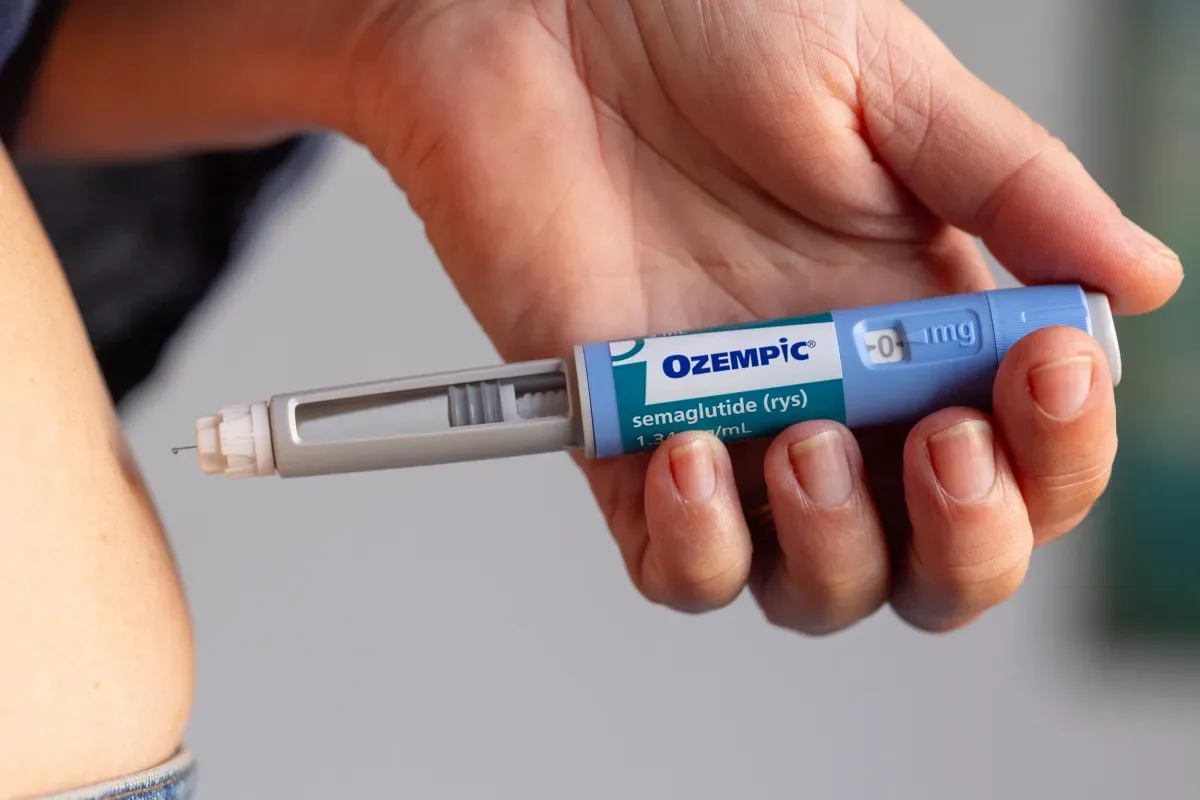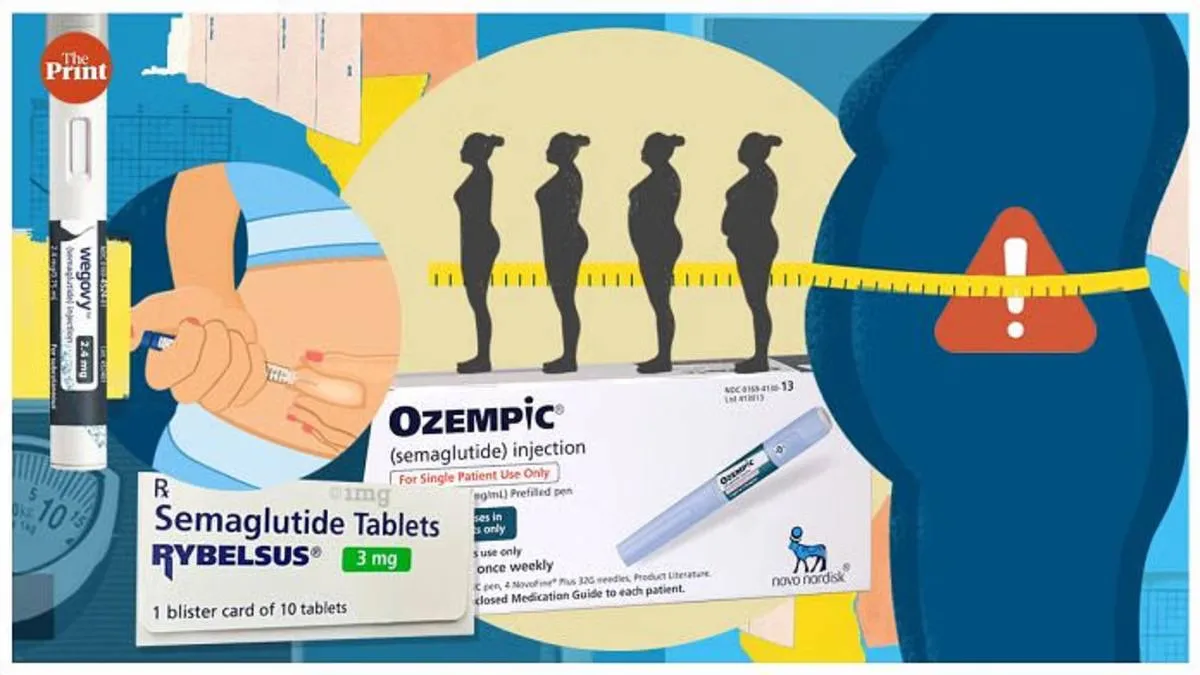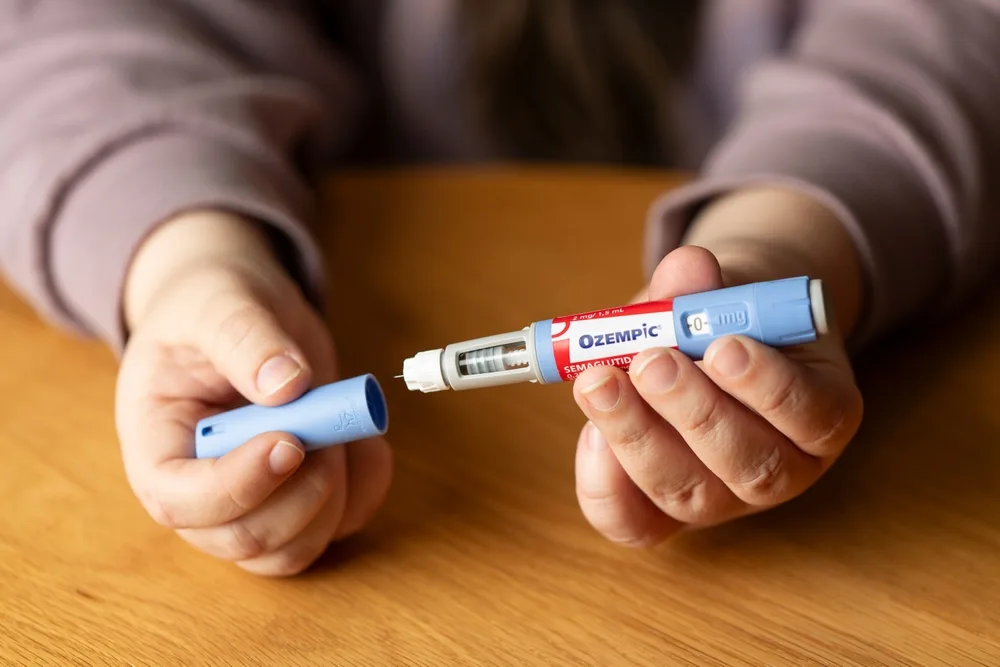
A recent study highlights a significant concern for users of Ozempic and Wegovy: their NAION risk is twofold higher compared to SGLT2i drugs. This finding, published in JAMA Ophthalmology on February 12 by researchers from the Veterans' Affairs Palo Alto Healthcare System, underscores the need for doctors to inform patients about the potential for nonarteritic anterior ischemic optic neuropathy (NAION), a condition linked to permanent vision problems like blurred vision and blindness.
What is NAION and Why Does It Matter?
Nonarteritic anterior ischemic optic neuropathy (NAION) is a rare but serious eye condition caused by reduced blood flow to the optic nerve, leading to sudden vision loss. Unlike arteritic forms tied to inflammation, NAION often strikes without warning and has no proven treatment, potentially resulting in irreversible damage. Symptoms include painless vision loss in one eye, blurred vision, and visual field defects, affecting daily activities like reading or driving.
For patients on GLP-1 medications like Ozempic (semaglutide), this study adds to mounting evidence of ocular risks. Understanding NAION is crucial, as early awareness can prompt monitoring, though prevention strategies remain limited.
Key Findings from the JAMA Ophthalmology Study
The study directly compares semaglutide-based drugs—Ozempic, Wegovy, and others—to SGLT2 inhibitors (SGLT2i), common alternatives for Type 2 diabetes management. Researchers analyzed data from veterans and found that GLP-1 receptor agonists carried a twofold higher risk of NAION compared to SGLT2i drugs.
"Doctors should warn patients being prescribed Ozempic, Wegovy or any semaglutide-based medication that the drugs carry a potential risk of nonarteritic anterior ischemic optic neuropathy (NAION), which can lead to permanent vision problems, including blurred vision and blindness."
This evidence emerges amid a growing number of Ozempic and Wegovy NAION lawsuits filed nationwide by patients claiming permanent vision loss. The study's focus on real-world veteran data strengthens its relevance for broader populations using these medications.
Study Methodology and Scope
Conducted by the Veterans' Affairs Palo Alto Healthcare System, the research leveraged large-scale health records to assess NAION incidence across GLP-1 users versus SGLT2i users. While specifics like exact cohort size aren't detailed in summaries, the peer-reviewed publication in JAMA Ophthalmology validates its rigor, providing clinicians with actionable insights.
How GLP-1 Receptor Agonists Like Ozempic and Wegovy Work
Ozempic and Wegovy are Novo Nordisk medications in the glucagon-like peptide-1 (GLP-1) receptor agonist class. These drugs mimic a natural gut hormone that regulates blood sugar and appetite, promoting insulin release, slowing gastric emptying, and reducing hunger signals. This dual action helps manage Type 2 diabetes and drives substantial weight loss—often 15-20% of body weight in clinical trials.
Their popularity has surged, with estimates projecting that nearly 10% of Americans will take at least one GLP-1 medication by 2030. Weekly injections make them convenient, but emerging risks like NAION prompt closer scrutiny of their vascular effects, potentially influencing optic nerve blood flow.
Precision tracking for your journey
Join thousands using Shotlee to accurately track GLP-1 medications and side effects.
📱 Get the Shotlee App
Track your GLP-1 medications, peptides, and health metrics on the go with our mobile app!
Comparison: GLP-1 Drugs vs. SGLT2 Inhibitors
What Are SGLT2i Drugs?
SGLT2 inhibitors, such as empagliflozin (Jardiance) or dapagliflozin (Farxiga), work by blocking glucose reabsorption in the kidneys, promoting its excretion in urine. They offer cardiovascular and renal benefits with a different safety profile, showing no elevated NAION risk in the study.
Head-to-Head Risk Insights
- NAION Risk: Twofold higher with Ozempic/Wegovy (GLP-1) vs. SGLT2i.
- Cardiovascular Profile: Both classes reduce heart risks, but GLP-1 excels in weight loss; SGLT2i in heart failure.
- Common Side Effects: GLP-1 linked to GI issues; SGLT2i to UTIs/genital infections.
For patients with diabetes, this comparison highlights why SGLT2i might be preferable if vision concerns exist, though individual factors guide choices.
Rising Prescriptions and Mounting Lawsuits
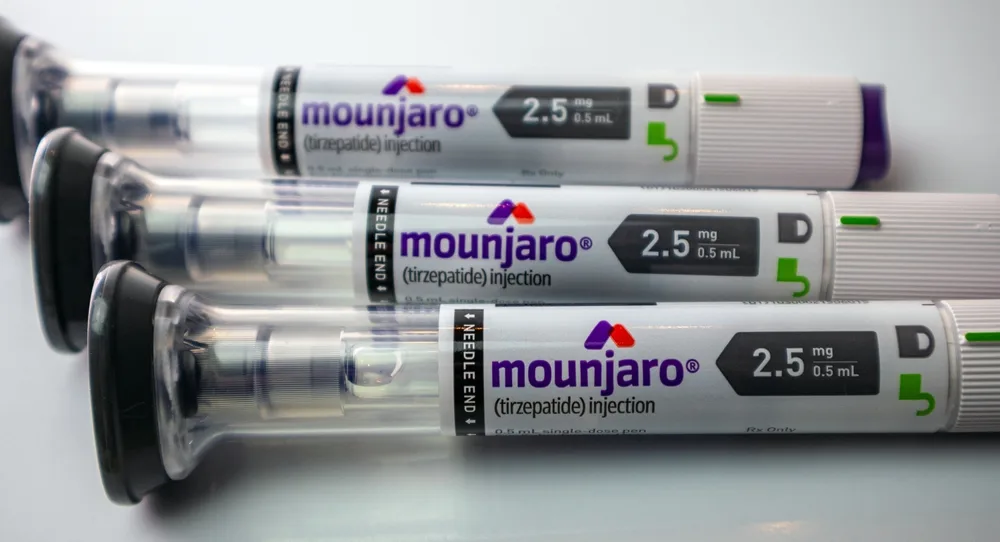
Over the past two years, prescriptions for Ozempic, Wegovy, and similar drugs like Mounjaro (tirzepatide from Eli Lilly) have skyrocketed due to weight loss benefits. However, this boom coincides with litigation waves:
- Severe stomach paralysis (gastroparesis) and other GI injuries in Ozempic, Wegovy, and Mounjaro lawsuits against Novo Nordisk and Eli Lilly.
- Followed by Ozempic and Wegovy NAION lawsuits, fueled by studies and patient reports of vision loss linked to semaglutide.
These cases emphasize the importance of post-marketing surveillance for widely used therapies.
Patient Guidance: What to Discuss with Your Doctor
If you're on Ozempic or Wegovy, or considering them for Type 2 diabetes or weight loss:
- Report any vision changes immediately—blurred vision, blind spots, or sudden loss.
- Ask about NAION risk and alternatives like SGLT2i drugs.
- Monitor for other GLP-1 side effects: nausea, vomiting, or abdominal pain.
- Consider tools like Shotlee to track symptoms, side effects, or medication schedules for better doctor discussions.
Regular eye exams are advisable, especially with vascular risk factors like hypertension or sleep apnea, which may compound NAION susceptibility.
Safety Profile of Semaglutide-Based Medications
While effective, GLP-1 agonists carry black-box warnings for thyroid tumors (rodent data) and pancreatitis risks. The NAION signal, though not yet causal, warrants vigilance. Most users tolerate them well, but personalized risk assessment is key.
Key Takeaways
- Ozempic and Wegovy show twofold higher NAION risk vs. SGLT2i per JAMA study.
- Doctors must warn about permanent vision loss potential.
- GLP-1 drugs aid diabetes/weight loss but face lawsuit scrutiny over GI and ocular issues.
- Patients: Prioritize eye health monitoring and informed discussions.
Conclusion: Balancing Benefits and Risks in Metabolic Therapy
This study reinforces that while Ozempic and Wegovy transform Type 2 diabetes and obesity care, their NAION risk—twice that of SGLT2i—demands transparency. Patients should weigh benefits against rare but severe risks, consulting providers for tailored plans. Ongoing research will clarify mechanisms, but for now, vigilance protects vision. Stay informed on GLP-1 developments to optimize your metabolic health journey.