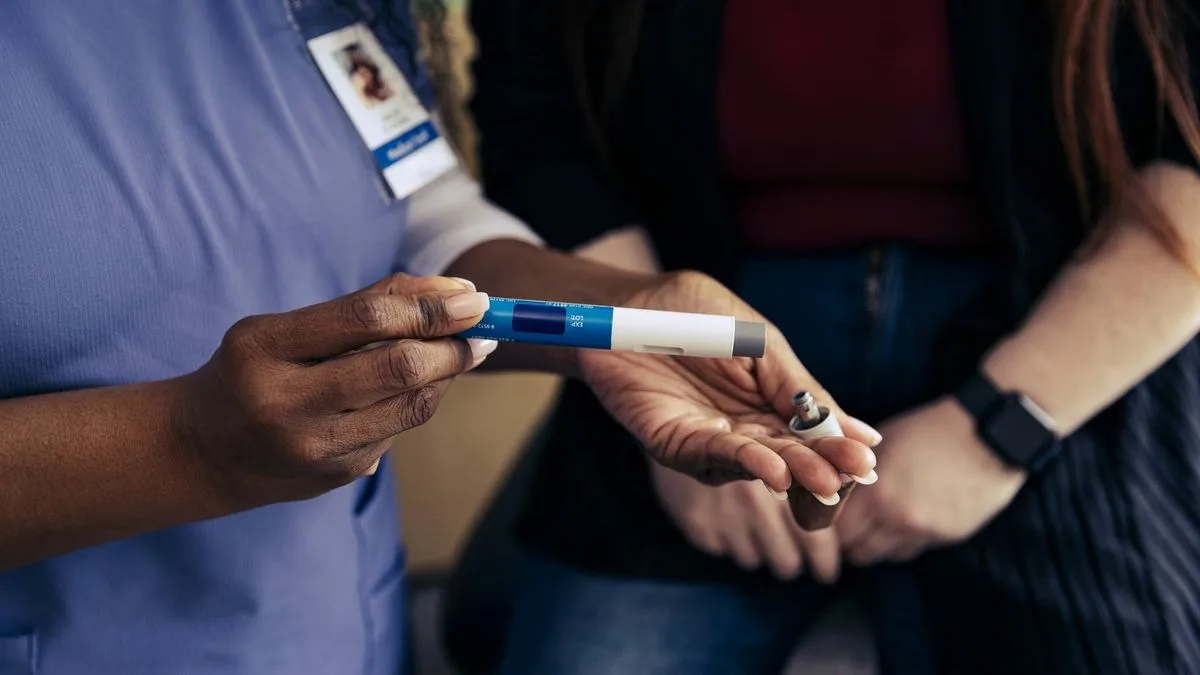
A recently published study in the British Medical Journal highlights a surprising benefit of GLP-1 drugs that has nothing to do with weight loss: their potential to reduce risks of substance abuse. GLP-1 receptor agonists, such as Ozempic (primarily developed for type 2 diabetes management) and Mounjaro (approved for weight loss), are increasingly popular. However, this research shifts focus to their impact on alcohol, tobacco, cannabis, and cocaine addiction, offering new hope for patients with overlapping health challenges.
The Study: Methods and Participants
The study followed 606,434 US veterans with type 2 diabetes over three years. Researchers compared individuals newly prescribed GLP-1 drugs to those on SGLT2 inhibitors, another class of diabetes medications. This large-scale, observational analysis provides robust real-world evidence on how GLP-1s influence substance use behaviors in a high-risk population like veterans, who often face elevated rates of substance use disorders (SUDs).
By examining electronic health records, the scientists tracked outcomes such as new diagnoses of substance abuse, hospital admissions, and overdoses. This veteran cohort is particularly relevant, as military service can correlate with higher substance use due to stress, trauma, and chronic conditions like diabetes.
Key Findings on Substance Abuse Risks
- For participants with no prior history of substance use, GLP-1s reduced the risk of alcohol abuse by 18 percent.
- Cocaine abuse risk dropped by 20 percent.
- Nicotine-related abuse decreased by the same 20 percent figure.
- Cannabis-related abuse risk fell by 14 percent.
These reductions held even after adjusting for factors like age, comorbidities, and baseline health, underscoring a potential direct effect of GLP-1s.
Benefits for Those with Prior Substance Use Disorders
The study also examined veterans with pre-existing SUDs. Here, GLP-1s showed even more pronounced effects:
- Hospital admissions related to substance use decreased by 26 percent.
- Overdose incidents were reduced by a striking 39 percent.
Compared to SGLT2 inhibitors, GLP-1s demonstrated superior outcomes in curbing SUD progression, suggesting a unique protective role.
How Do GLP-1 Drugs Work Against Addiction?
GLP-1 receptor agonists mimic the glucagon-like peptide-1 hormone, which regulates blood sugar, slows gastric emptying, and signals satiety. But emerging evidence points to their influence on the brain's reward pathways. GLP-1 receptors exist in areas like the hypothalamus and nucleus accumbens, which govern motivation, pleasure, and addiction.
By modulating dopamine release—the neurotransmitter central to addictive behaviors—GLP-1s may dampen cravings for alcohol, nicotine, cannabis, and cocaine. This mechanism explains benefits independent of weight loss, as the drugs cross the blood-brain barrier and alter neural responses to substances. Preclinical studies in rodents support this, showing reduced voluntary intake of alcohol and drugs after GLP-1 administration.
Expert Commentary on the Findings
"This is a significant study and shows that weight loss treatment may have potential to give important additional therapeutic benefits. More is being understood all the time around the long-term impact [of GLP-1s], but it is clear that weight loss treatment can have a positive effect on a range of health outcomes, for those patients who are eligible and really need it."
Precision tracking for your journey
Join thousands using Shotlee to accurately track GLP-1 medications and side effects.
📱 Get the Shotlee App
Track your GLP-1 medications, peptides, and health metrics on the go with our mobile app!
Gareth Jones, director of corporate affairs at the National Pharmacy Association, as reported by the Guardian
"This study adds to emerging research exploring whether GLP-1 medicines may influence brain pathways involved in reward and addiction. As this was an observational study, it is important to be clear that it does not show these medicines prevent or treat addiction. Further research, including clinical trials, will be needed to understand whether GLP-1 medicines have a direct effect."
Claire Anderson, president of the Royal Pharmaceutical Society
These quotes emphasize the study's promise while calling for randomized controlled trials to confirm causality.
Comparing GLP-1s to SGLT2 Inhibitors
SGLT2 inhibitors (e.g., empagliflozin, dapagliflozin) promote glucose excretion via urine, offering cardiovascular and kidney benefits for diabetes. However, they lack the same neural effects as GLP-1s. The study's head-to-head comparison revealed GLP-1s' edge in SUD outcomes, highlighting class-specific advantages. Patients on GLP-1s may experience additive benefits if combined with other therapies, but individual responses vary.
Implications for Patients with Type 2 Diabetes
For the millions managing type 2 diabetes—especially those with veteran status or SUD history—these findings expand GLP-1s' value. Ozempic (semaglutide) remains a cornerstone for glycemic control, while Mounjaro (tirzepatide) targets weight alongside diabetes. If you have diabetes and struggle with substance use, discuss GLP-1s with your doctor. Key considerations include:
- Eligibility: FDA-approved for diabetes (Ozempic) or obesity (related formulations like Wegovy).
- Monitoring: Regular check-ins for A1C, weight, and substance use patterns. Tools like Shotlee can help track symptoms, side effects, or medication adherence digitally.
- Who Benefits Most: Those without SUD history may see preventive effects; prior users could reduce acute events.
Safety and Side Effects Relevant to This Context
Common GLP-1 side effects include nausea, vomiting, and gastrointestinal issues, which typically subside. Rare risks like pancreatitis or thyroid tumors warrant monitoring. No direct SUD worsening was noted, but abrupt discontinuation might affect cravings—taper under supervision. Contraindications include personal/family history of medullary thyroid carcinoma. Always pair with lifestyle changes and counseling for addiction.
Key Takeaways and What This Means for Patients
- GLP-1s like Ozempic reduce new-onset substance abuse risks by 14-20% in diabetes patients without prior SUD.
- For those with SUD history, they lower hospital admissions (26%) and overdoses (39%) vs. SGLT2s.
- Brain reward pathway modulation likely drives these effects, independent of weight loss.
- Consult healthcare providers before starting; further trials needed for addiction-specific approvals.
- Integrate with holistic care: therapy, support groups, and metabolic monitoring.
Conclusion: A New Dimension for GLP-1 Therapy
This British Medical Journal study reframes GLP-1 drugs as multifaceted tools for type 2 diabetes patients at risk of substance abuse. While not a standalone addiction treatment, their 18-20% risk reductions offer actionable insights. Patients should explore these benefits with physicians, weighing personal health profiles. As research evolves, GLP-1s may broaden metabolic health strategies—stay informed on updates in diabetes management and addiction prevention. For related topics like GLP-1 cardiovascular benefits or peptide therapy comparisons, check our guides.