The Influence of Gut Hormones on Health
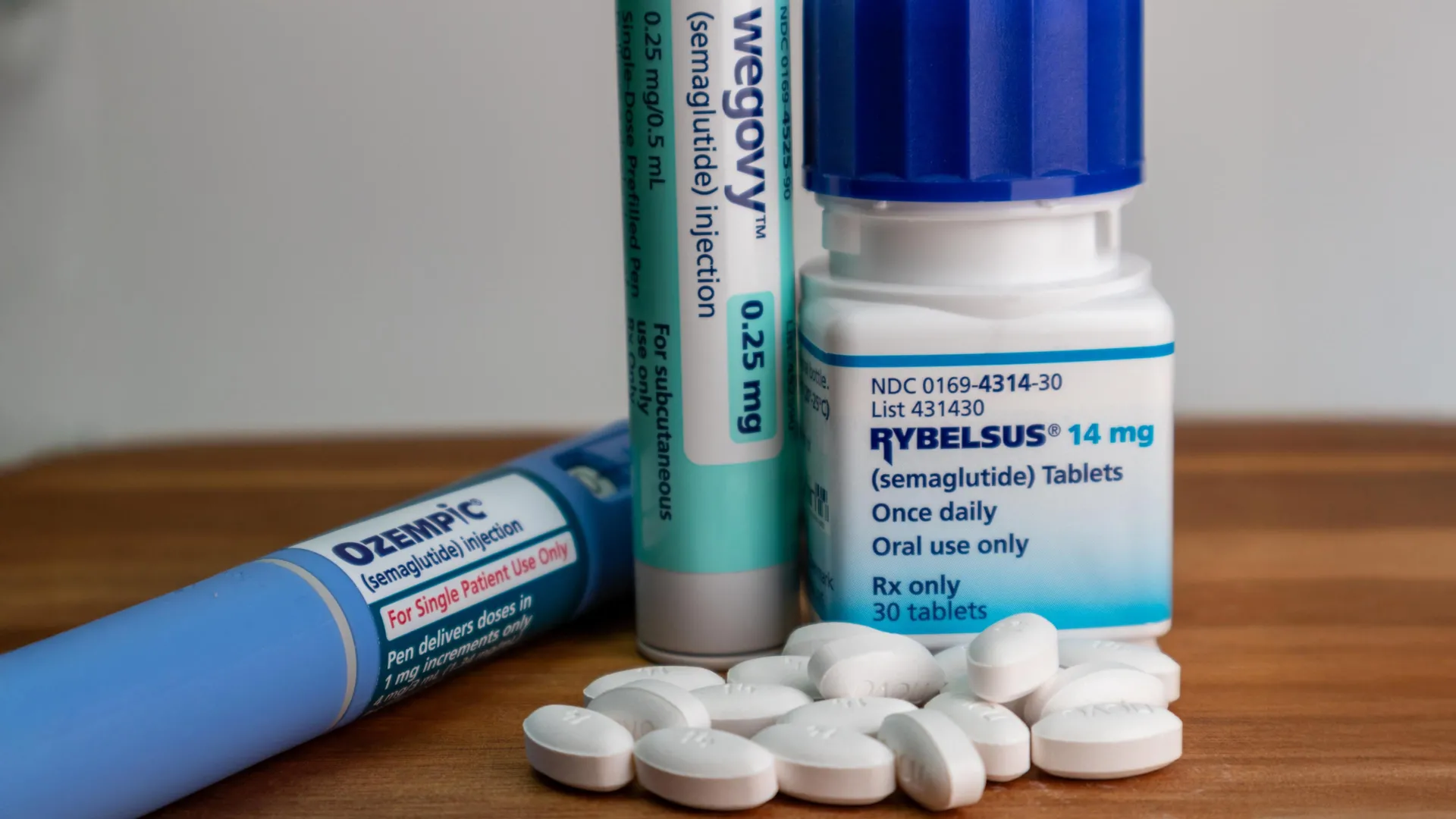
Medications such as Ozempic have transformed how we address type 2 diabetes and handle weight issues, highlighting the significance of hormones from the gut.
Understanding that messages from the gut to the brain can curb hunger and regulate blood sugar has prompted experts to seek non-pharmaceutical stimuli.
Pharmaceuticals like Ozempic imitate a body's natural "fullness hormone" generated in the gut, known as GLP-1 (glucagon-like peptide-1). Yet, the man-made variant persists longer within the system.
No organic substance examined thus far fully matches the prolonged impacts of these injectable treatments, but initial investigations suggest that specific dietary choices and their consumption schedules might still offer advantages.
A group from Heliopolis University in Cairo, directed by microbiologist Tohada AL-Noshokaty, aims to "introduce a fresh era of GLP-1 management through natural elements."
"Adherence to treatment and overall well-being for patients could improve significantly with organic GLP-1 enhancers, potentially gentler on the physique," the researchers propose in their June publication in Toxicology Reports.
"For groups facing financial constraints or other limitations," they further note, "plant-based solutions might offer more attainable and cost-effective options compared to standard pharmaceuticals."
Exploring Natural GLP-1 Modulators
In their analysis, AL-Noshokaty and her team examined scientific literature, identifying various organic substances that could share traits with GLP-1 medications.
The findings remain in early stages, focusing on resources like cinnamon, wheat, ginger, fermented green tea, and a sharp plant extract named berberine.
Since natural GLP-1 degrades quickly in the body due to enzymes, experts believe timing the intake of these organic elements is crucial for maximizing their effects.
For example, recent randomized controlled studies have shown that consuming whey protein (from cheese production) before meals can temporarily enhance blood glucose and insulin responses.
One study from September 2025 assigned 18 participants with obesity but no type 2 diabetes to consume either whey protein or water 15 minutes prior to breakfast and lunch over four days.