
New Zealand faces the third-highest adult obesity rate in the OECD, with one in three people over 15 classified as obese and one in eight children aged 2-14 obese.
Pharmac Reviews Wegovy Funding Applications
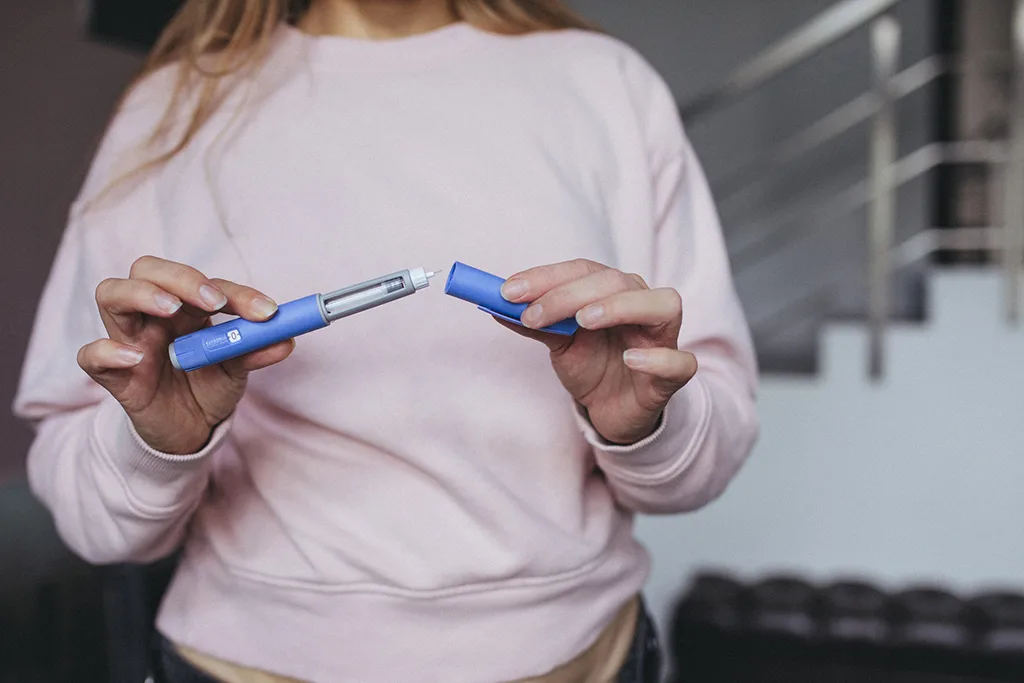
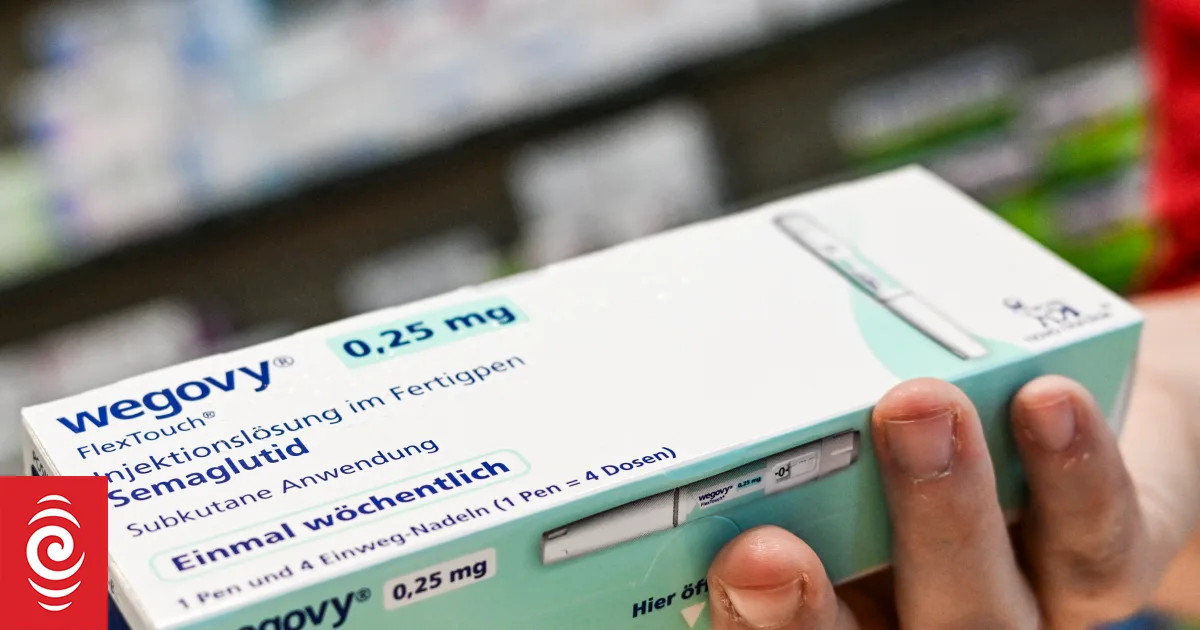
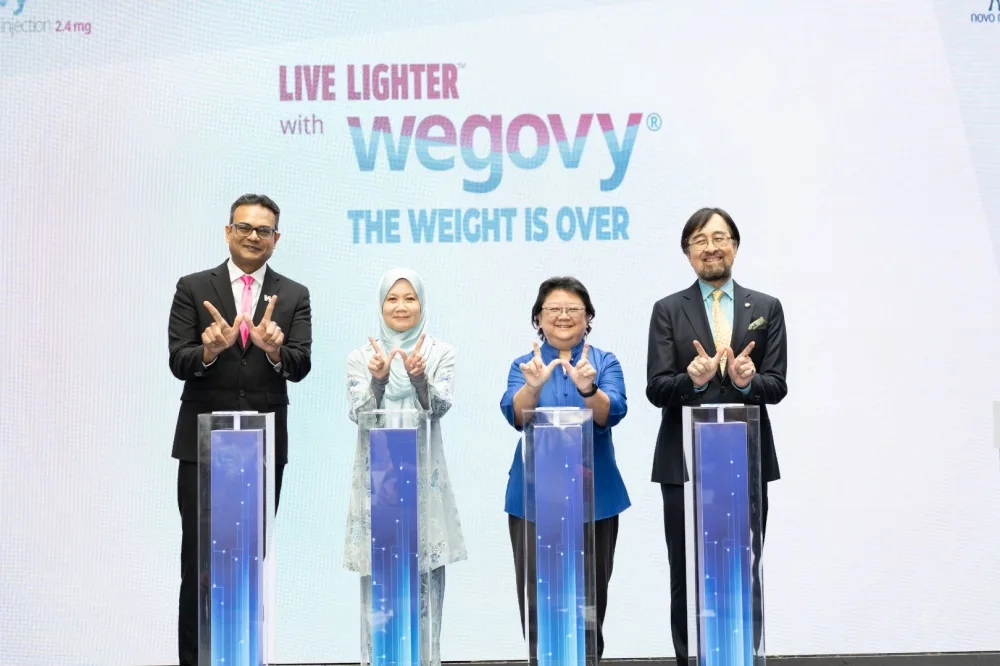
Pharmac, New Zealand's pharmaceutical funding body, is seeking clinical advice on funding Wegovy (semaglutide), a GLP-1 receptor agonist for weight loss.
Two applications were submitted: one in September for patients with established cardiovascular disease and BMI ≥27; the second in October for chronic weight management in those with BMI ≥30 and at least one weight-related comorbidity.
David Hughes, Pharmac's director of advice and assessment, stated: "Our expert advisors will assess how effective the medicine is compared with current funded options, and consider its impact on individuals, whānau, caregivers and the wider health system." Guidance is expected later this month.
Pharmac is also assessing an application to fund Saxenda (liraglutide) for people with very high BMI.
Australia Subsidizes Wegovy
Australia recently announced subsidies for Wegovy on its Pharmaceutical Benefits Scheme for patients with established cardiovascular disease and BMI ≥35. This reduces costs to AU$25 (NZ$29) per script or AU$7.70 (NZ$9) for concession holders. In New Zealand, Wegovy costs $459.99 per month.
Government Push for Cost Savings
Associate Minister of Health David Seymour urged Pharmac to consider how funding new drugs like Wegovy could save taxpayer money elsewhere, potentially accelerating approvals.
Precision tracking for your journey
Join thousands using Shotlee to accurately track GLP-1 medications and side effects.
📱 Get the Shotlee App
Track your GLP-1 medications, peptides, and health metrics on the go with our mobile app!
Expert: Funding Wegovy Prevents Costly Diseases
Weight loss specialist Dr. Gerard McQuinlan believes funding Wegovy will save taxpayer money long-term. He noted obesity links to over 200 diseases, with a 12-fold increased risk of Type 2 diabetes.
"The cost of Type 2 diabetes to the taxpayer is about $2.1 billion per year," McQuinlan told RNZ. Reducing obesity could yield massive savings.
He dismissed shortage concerns, especially with the upcoming pill form, and emphasized obesity as a chronic, relapsing disease requiring ongoing medication.
- 95% chance of weight regain without treatment
- Post-diet regain often exceeds starting weight
- Obesity stems from hormonal issues regulating hunger and satiety, not willpower
Wegovy mimics the satiety hormone, restoring the 'full' signal.
Concerns on Long-Term Use and Side Effects
University of Auckland Professor Wayne Cutfield highlighted "vicious" weight regain upon stopping Wegovy, suggesting lifelong use and long-term funding implications.
He expressed concerns over high side effect rates causing early discontinuation. Strict criteria are needed, combining obesity with related diseases, plus strategies for safely discontinuing the drug.