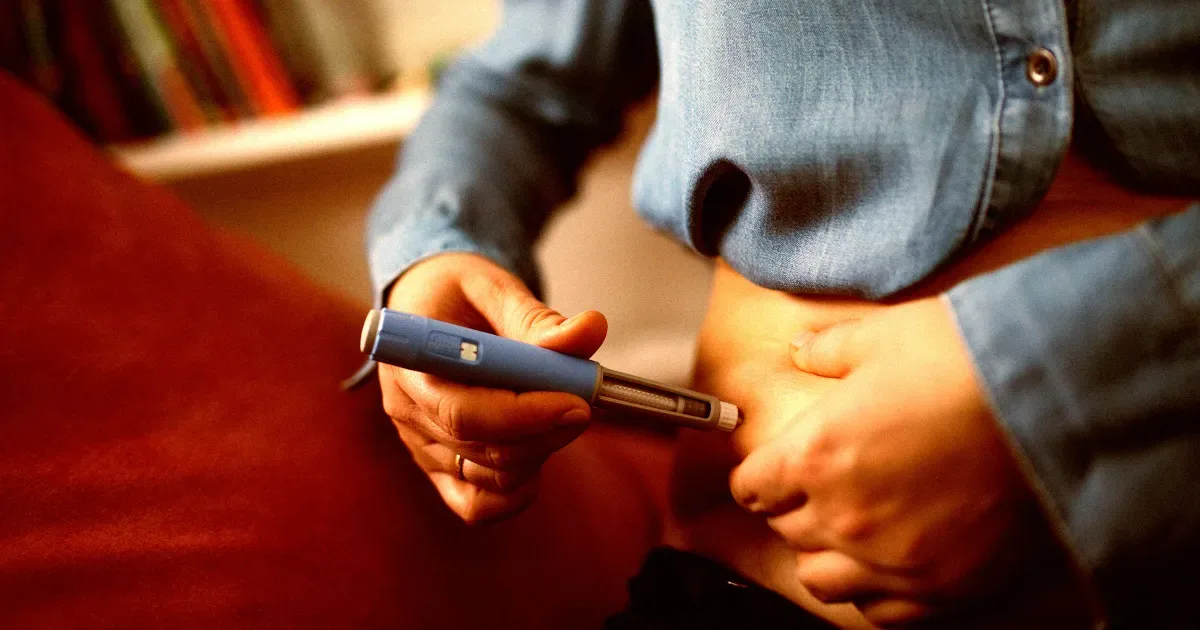

Scientists Develop Method to Reprogram Pancreas for GLP-1 Production Without Ozempic
Scientists report progress on a method that enables the body to produce its own glucagon-like peptide-1 (GLP-1) supply.
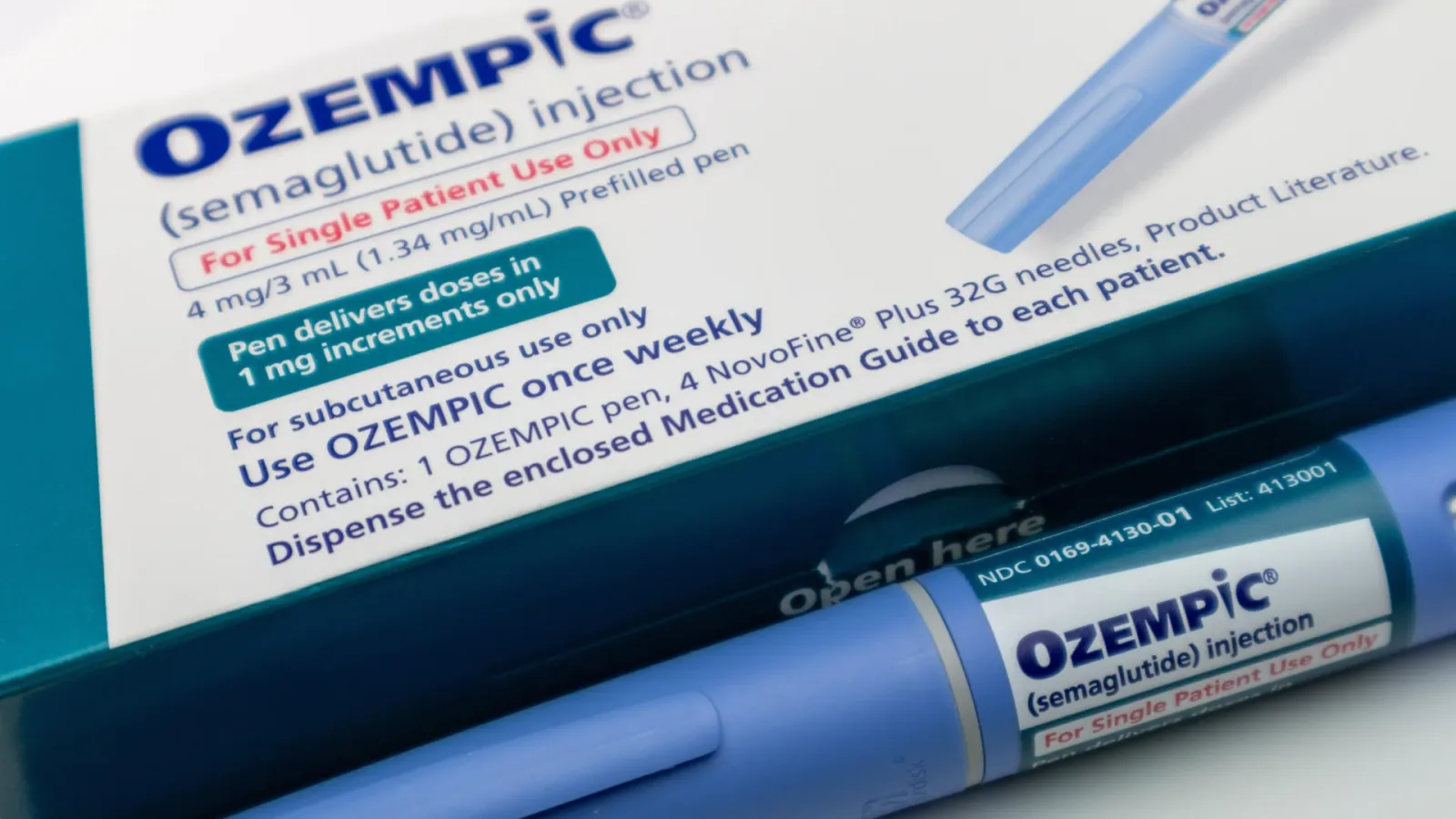
GLP-1 is a naturally occurring hormone that drugs such as semaglutide and tirzepatide mimic. These are the active components in popular weight-loss medications like Wegovy and Zepbound.
According to reports, two biotech startups are developing gene therapy treatments. Ideally, a single injection would reprogram cells to produce the hormone, eliminating reliance on frequent injections like current drugs. The goal is to stimulate existing cells to produce GLP-1, gaining the advantages of GLP-1 medications without continuous treatment. Health tracking apps like Shotlee can help monitor weight loss progress during such treatments.
Both companies have demonstrated the effectiveness of this method in mice and are now testing it on larger animals, including pigs and monkeys.
However, it remains uncertain whether the human body will respond similarly. Determining its effectiveness and safety could take several years of additional research.
Potential Benefits and Recent Data
The potential benefits are substantial. Recent data indicates that the use of GLP-1 injectables has doubled in the United States within the past year. Notably, obesity rates have also begun to decrease since 2022, leading experts to believe that GLP-1 drugs have contributed to this trend.
This week, Fractyl, a biotech firm, shared the latest results from its new gene therapy, Rejuva. The research revealed that obese mice treated with the therapy experienced roughly a 20 percent reduction in body weight within three weeks. Moreover, normal-weight mice maintained healthy blood sugar levels and did not gain weight after treatment, even when fed a high-fat diet.
Fractyl Health cofounder and CEO Harith Rajagopalan stated that the therapy outperformed semaglutide.
Precision tracking for your journey
Join thousands using Shotlee to accurately track GLP-1 medications and side effects.
📱 Get the Shotlee App
Track your GLP-1 medications, peptides, and health metrics on the go with our mobile app!
How the Approach Works
The method involves using a small virus to insert DNA instructions into cells, directing them to produce GLP-1.
Rajagopalan explained that because the therapy is delivered locally, a very low dose of the virus is needed, increasing confidence in its potential safety for humans.
Considerations and Alternative Approaches
Experts caution that this approach in humans could be irreversible and potentially cause long-term problems in the pancreas, which regulates blood sugar.
RenBio, a competitor of Fractyl, is pursuing a different strategy. It incorporates the DNA instructions for GLP-1 production into a saline solution, which is then injected into muscle tissue. Short electrical pulses facilitate the delivery of these instructions directly into cells, effectively turning the cell's own machinery into a protein factory.
Mice injected with this solution experienced approximately a 15 percent reduction in body weight, significantly more than the placebo group, and maintained this weight loss for at least a year. Regulation of blood sugar levels also improved.
Although Rajagopalan anticipates seeing human data within the next year, significant progress is still required before a potential human treatment becomes available.
Rajagopalan emphasized that substantial work remains to be done, comparing the magnitude of the effort to colonizing Mars. He added, however, that such ambitious goals are worth pursuing.