
Understanding the Cycle: The Reality of GLP-1 Usage
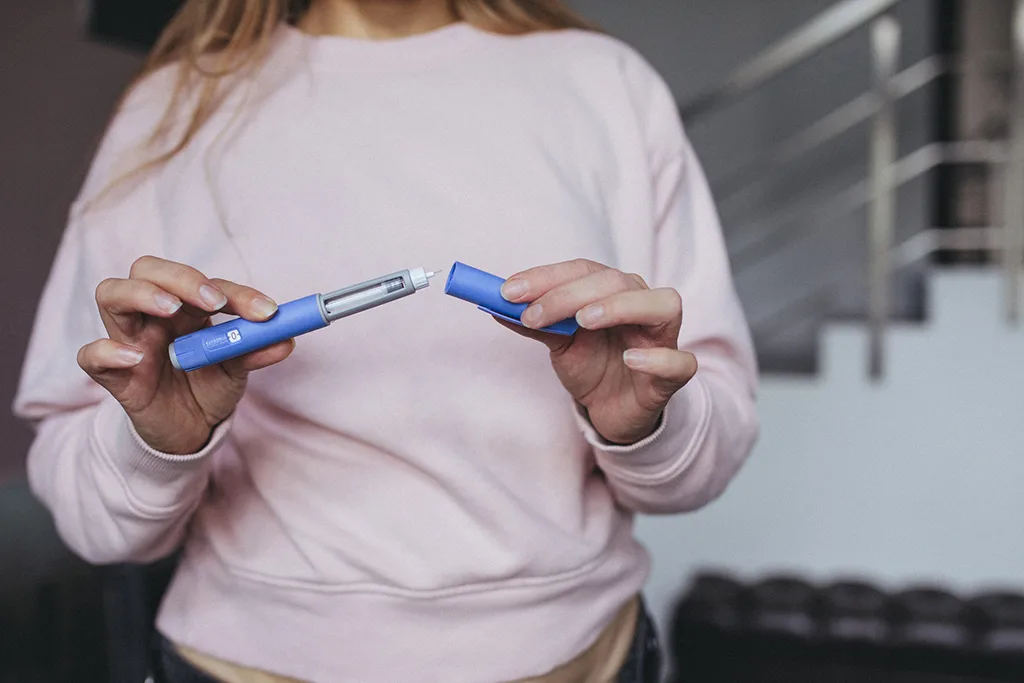
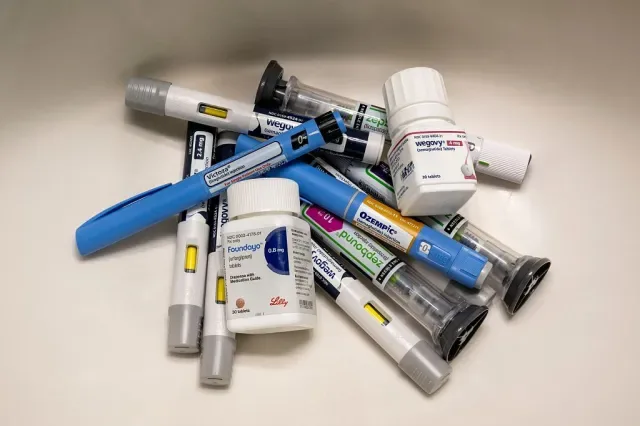
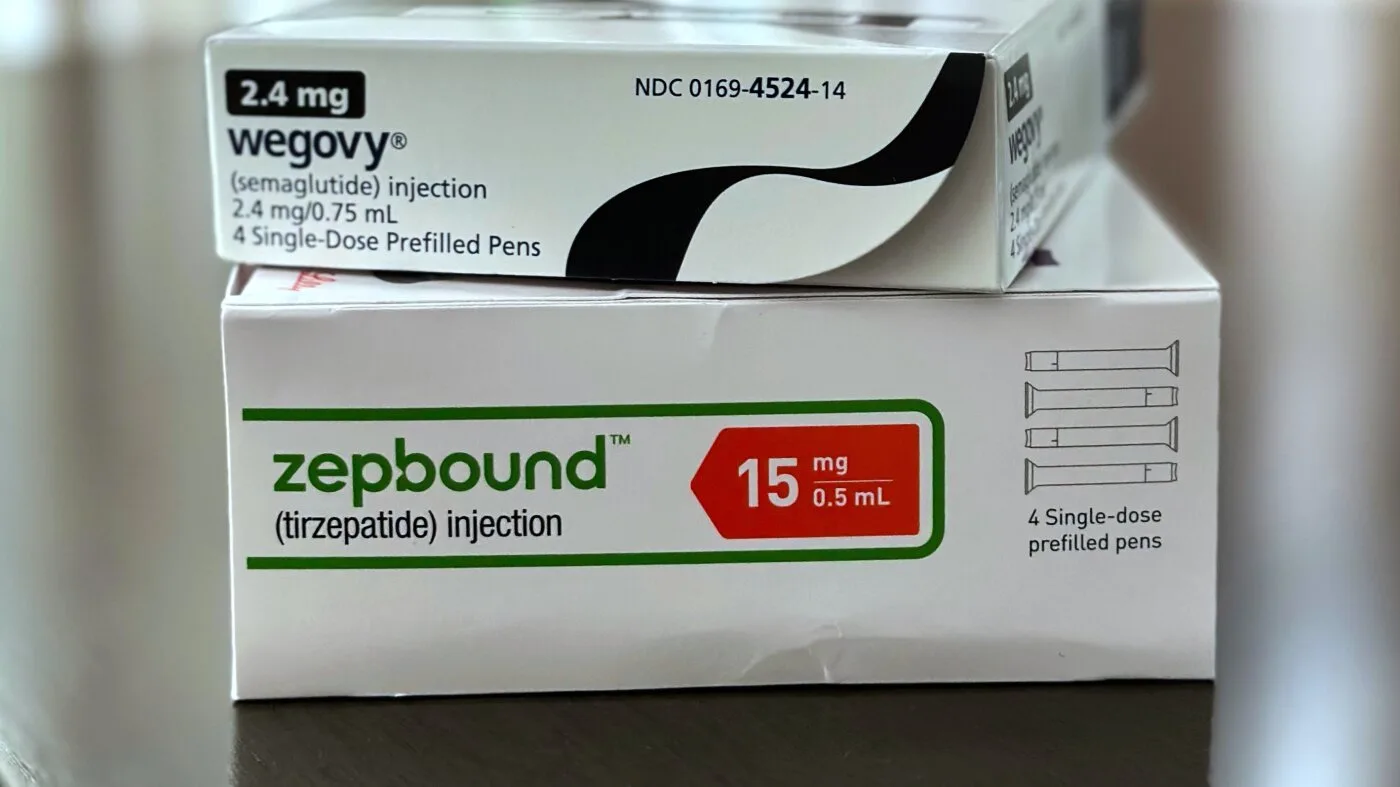
The rise of GLP-1 receptor agonists—such as semaglutide and tirzepatide—has revolutionized the landscape of obesity and diabetes management. However, recent data suggests a concerning trend: many patients are treating these medications as short-term interventions rather than the lifelong therapy they were designed to be. According to research from UT Southwestern Medical Center, fewer than 1 in 4 patients remain on their GLP-1 medication after one year.
Why Patients Stop and Start
Patients often discontinue these treatments due to cost, insurance coverage hurdles, or side effects. However, the intent to restart remains high, with nearly 74% of 'lapsers' planning to return to the medication. This cycle of 'on-again, off-again' use is becoming normalized by social media and aggressive direct-to-consumer marketing, yet medical professionals warn that this behavior carries significant risks.
Precision tracking for your journey
Join thousands using Shotlee to accurately track GLP-1 medications and side effects.
📱 Get the Shotlee App
Track your GLP-1 medications, peptides, and health metrics on the go with our mobile app!
The Impact of Muscle Loss
One of the most critical concerns regarding intermittent GLP-1 use is the impact on body composition. Research indicates that up to 40% of weight lost while on these medications can be lean muscle mass. When patients cycle off the drug, they often regain the fat first, which can lead to a negative shift in their muscle-to-fat ratio over time.
The Role of Monitoring with Shotlee
To avoid the pitfalls of muscle loss and metabolic decline, consistent monitoring is non-negotiable. Using tools like Shotlee to track progress allows patients to visualize their body composition changes, ensuring that weight loss is coming from fat stores rather than essential muscle tissue. By keeping detailed records, you and your healthcare provider can make informed decisions about your treatment plan.
Practical Takeaways for Success
- Treat it as a Chronic Therapy: Obesity is a chronic condition that requires consistent management.
- Prioritize Protein and Strength Training: To combat muscle loss, ensure adequate protein intake and resistance exercise.
- Track Your Metrics: Don't just watch the scale; track your body fat percentage and muscle mass.
- Consult Your Doctor: Never stop or restart a prescription medication without professional medical guidance.
Frequently Asked Questions
- Q: Why is it bad to cycle on and off GLP-1s? A: Cycling can lead to a faster regain of fat and a potential net loss of muscle, which can negatively impact metabolism and physical stability.
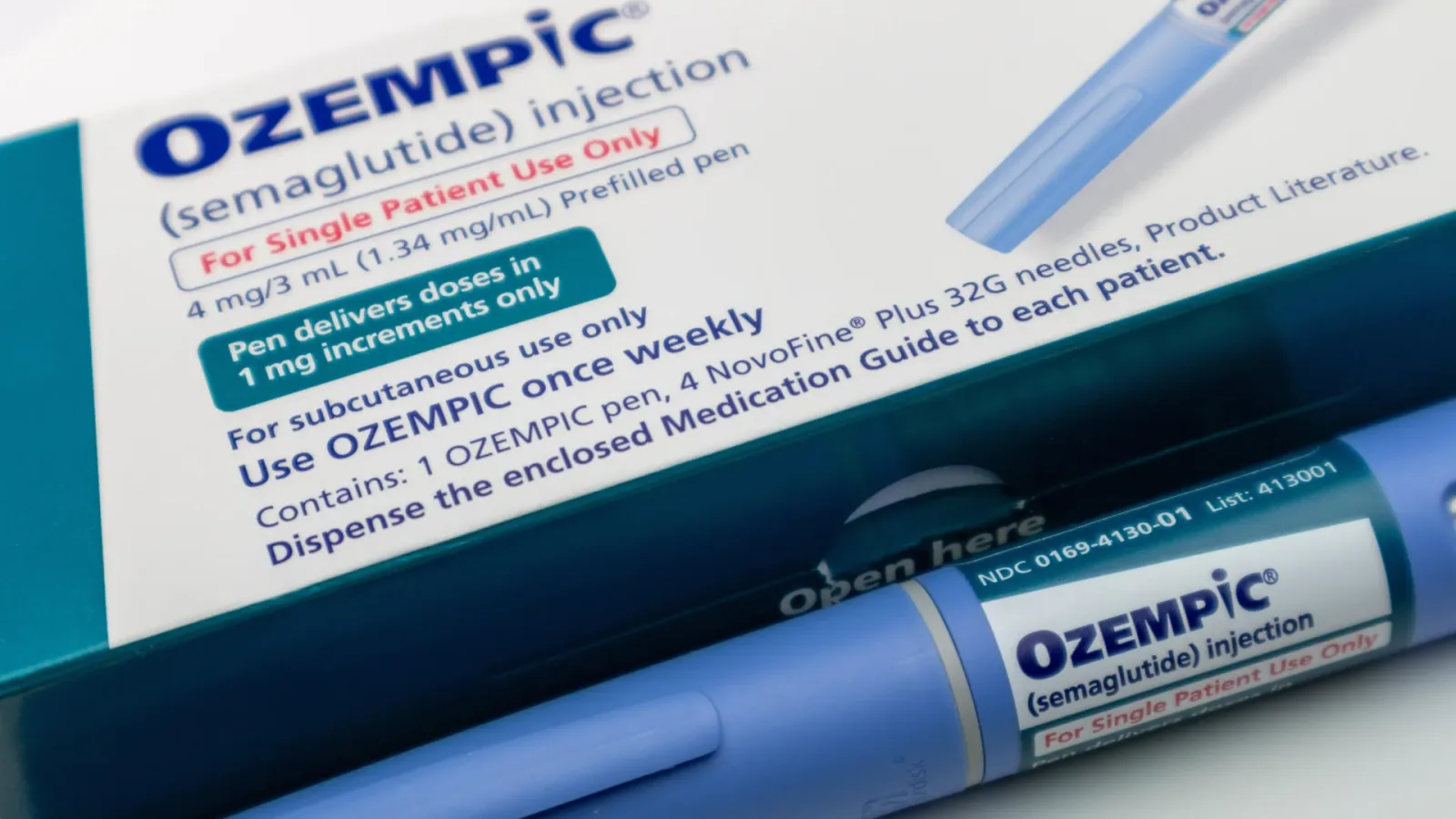
- Q: Does Ozempic cause muscle loss? A: Any rapid weight loss can cause muscle loss. GLP-1s contribute to this if the patient is not resistance training and eating enough protein.
- Q: Can I take GLP-1s temporarily? A: While many people want to, medical guidelines suggest these are chronic medications. Always consult a doctor before starting or stopping.
- Q: What is 'Ozempic face'? A: It refers to the hollow, loose-skinned appearance caused by rapid weight loss and the loss of fat and muscle in the face.
- Q: How can Shotlee help me? A: Shotlee provides a platform to document your medication schedule, track your weight loss journey, and monitor your wellness metrics to ensure long-term health success.