
Retatrutide: The 'Triple G' Drug
A weight loss medication, known as the "triple G" drug due to its ability to mimic three hormones that regulate hunger, has demonstrated encouraging outcomes, according to recent data from Eli Lilly.
In a clinical study involving over 400 participants with obesity and knee osteoarthritis, retatrutide led to an average weight reduction of 71 pounds, or almost 29% of body weight, over a 16-month period, according to data released by Eli Lilly.
Furthermore, participants taking retatrutide reported a 76% decrease in knee pain after the 16-month duration, as indicated by the data.
Eli Lilly intends to finalize seven additional phase 3 clinical trials for retatrutide in 2026, compiling data for submission to the U.S. Food and Drug Administration (FDA) for potential approval, possibly for individuals with Type 2 diabetes or those with obesity and other health issues.
What to Know About Retatrutide
Retatrutide functions by imitating three hunger-regulating hormones: GLP-1, GIP, and glucagon.
Existing weight loss medications typically mimic only one or two of these hormones.
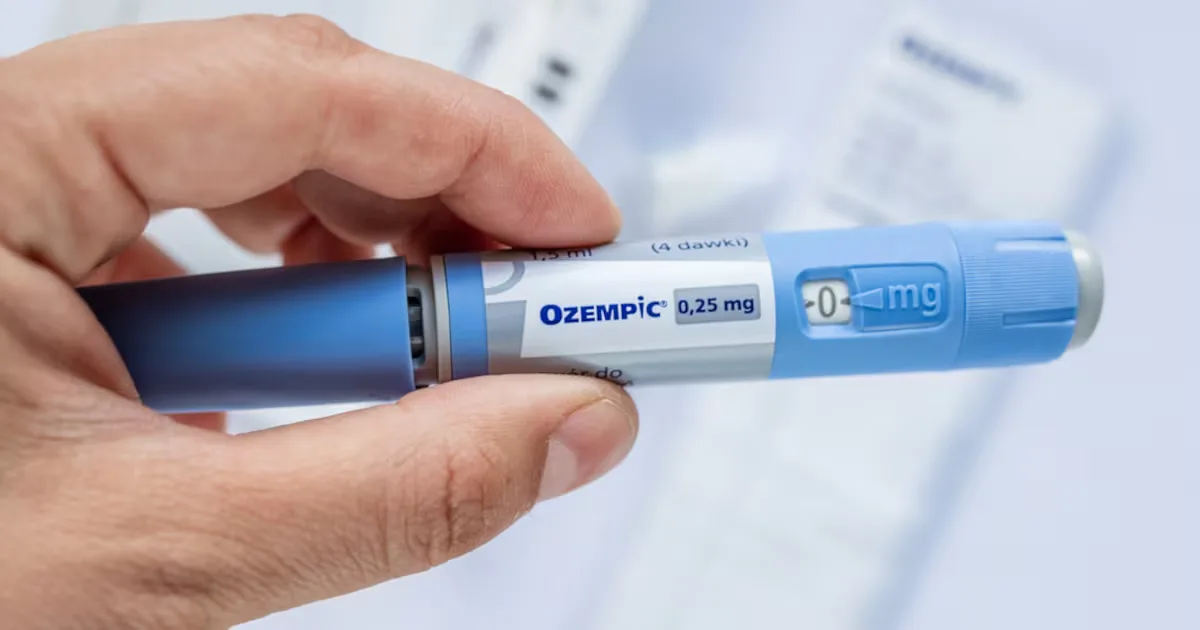
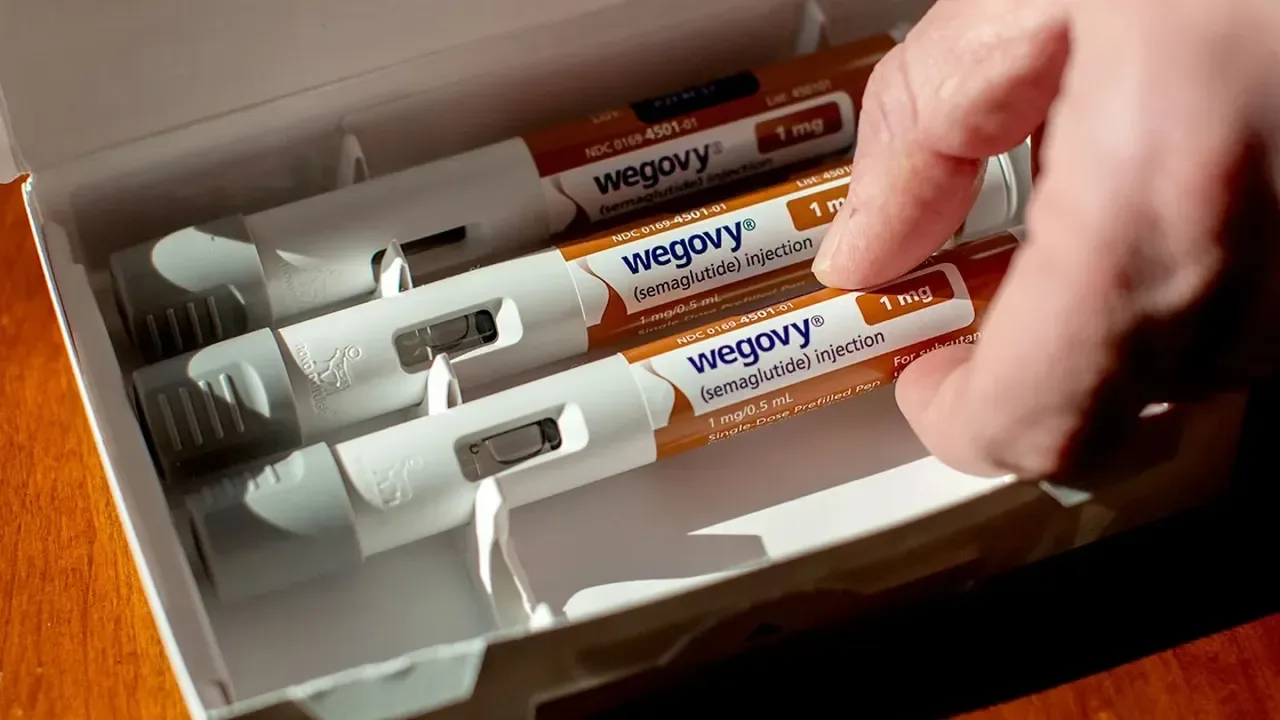
Ozempic and Wegovy, produced by Novo Nordisk, emulate the effects of GLP-1, a hormone that influences various bodily functions, ranging from brain activity to muscle function and the pancreas, stomach, and liver, as stated by the National Institutes of Health.
Mounjaro and Zepbound also mimic GLP-1 effects, along with GIP, a hormone that aids in blood sugar regulation by promoting insulin production.
Glucagon, the third hormone mimicked by retatrutide, encourages fat burning, even during periods of rest.
Precision tracking for your journey
Join thousands using Shotlee to accurately track GLP-1 medications and side effects.
📱 Get the Shotlee App
Track your GLP-1 medications, peptides, and health metrics on the go with our mobile app!
The FDA has approved both Ozempic and Mounjaro for the treatment of Type 2 diabetes, while Wegovy and Zepbound are approved for managing overweight and obesity. As with any prescription, discussing potential benefits with a healthcare provider is essential. Health tracking apps like Shotlee can help monitor your progress and any side effects.
Retatrutide vs. Other Medications
Direct comparisons between retatrutide and medications like Mounjaro or Ozempic, using identical variables in clinical trials, have not yet been conducted.
Nevertheless, it is anticipated that retatrutide would result in more substantial weight loss, and at a faster rate, considering its ability to mimic three hunger-regulating hormones and the data provided by Eli Lilly thus far.
Administration and Availability
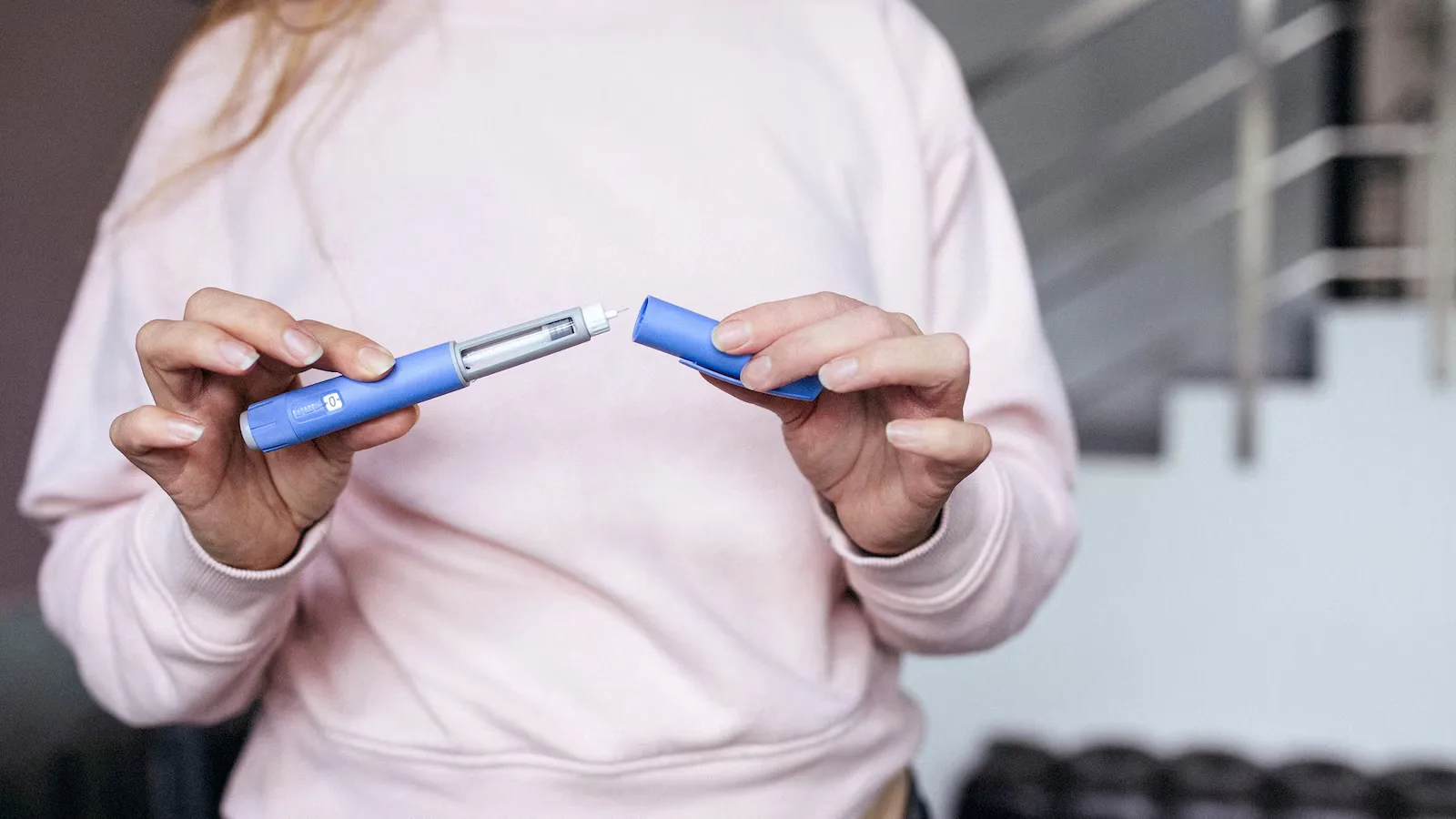
Retatrutide is administered via a weekly injection, according to Eli Lilly.
The precise date for when retatrutide will be available by prescription remains undetermined.
The timeline is contingent upon the FDA's thorough evaluation of the clinical trial data for retatrutide upon submission; however, approval and availability are unlikely before late 2026, potentially extending into 2027 or 2028.
Potential Side Effects
Common side effects associated with retatrutide include nausea and stomach-related issues.
These side effects align with those reported by individuals using other weight loss medications such as Mounjaro and Ozempic.
The most frequently reported side effects of weight loss medications are nausea and constipation, though gallbladder and pancreatic disease have also been reported. Drug manufacturers advise discussing the side effect profile and personalized risks with a healthcare professional before initiating treatment.