
Ozempic and Brain Health: New Research
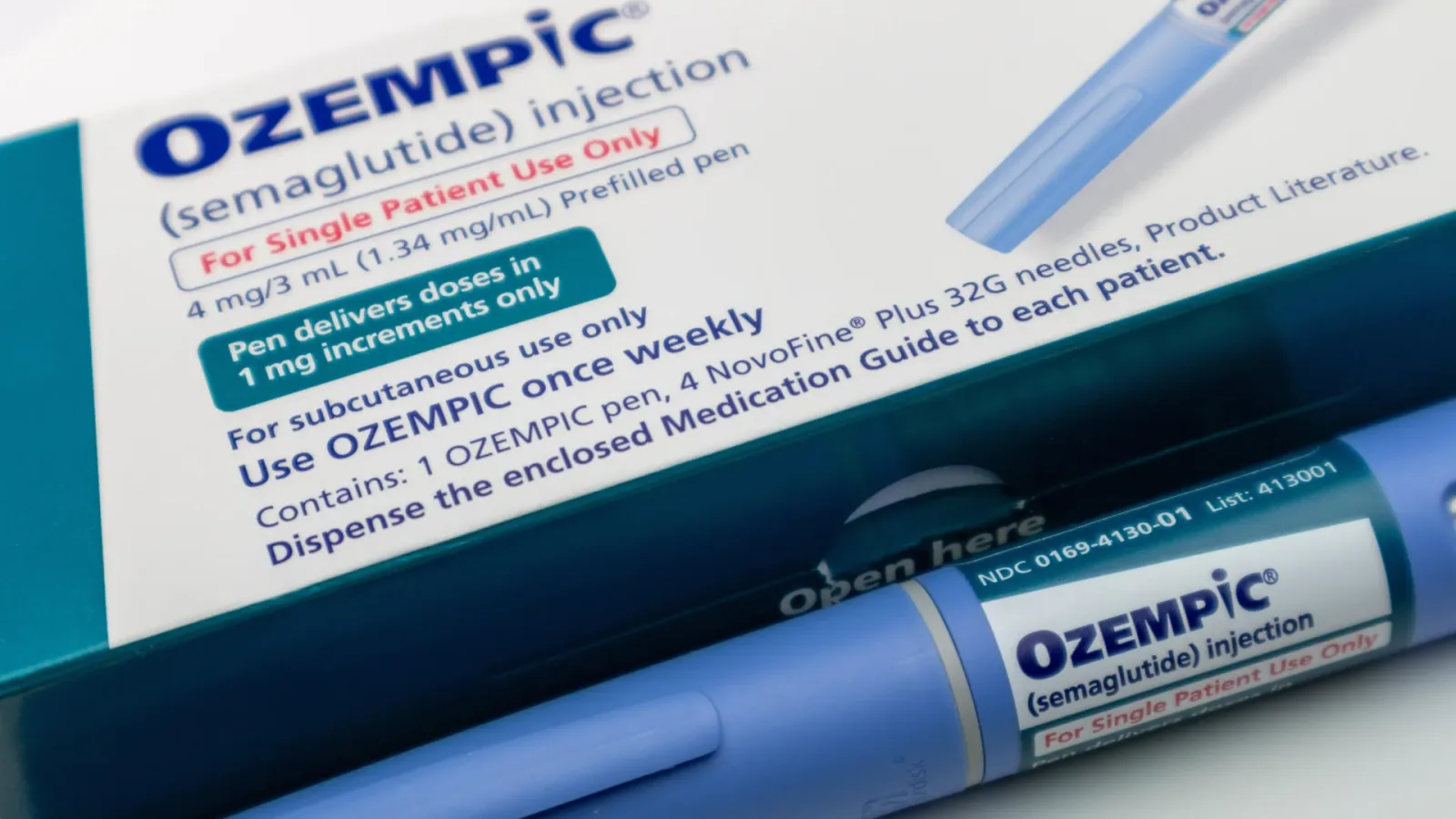
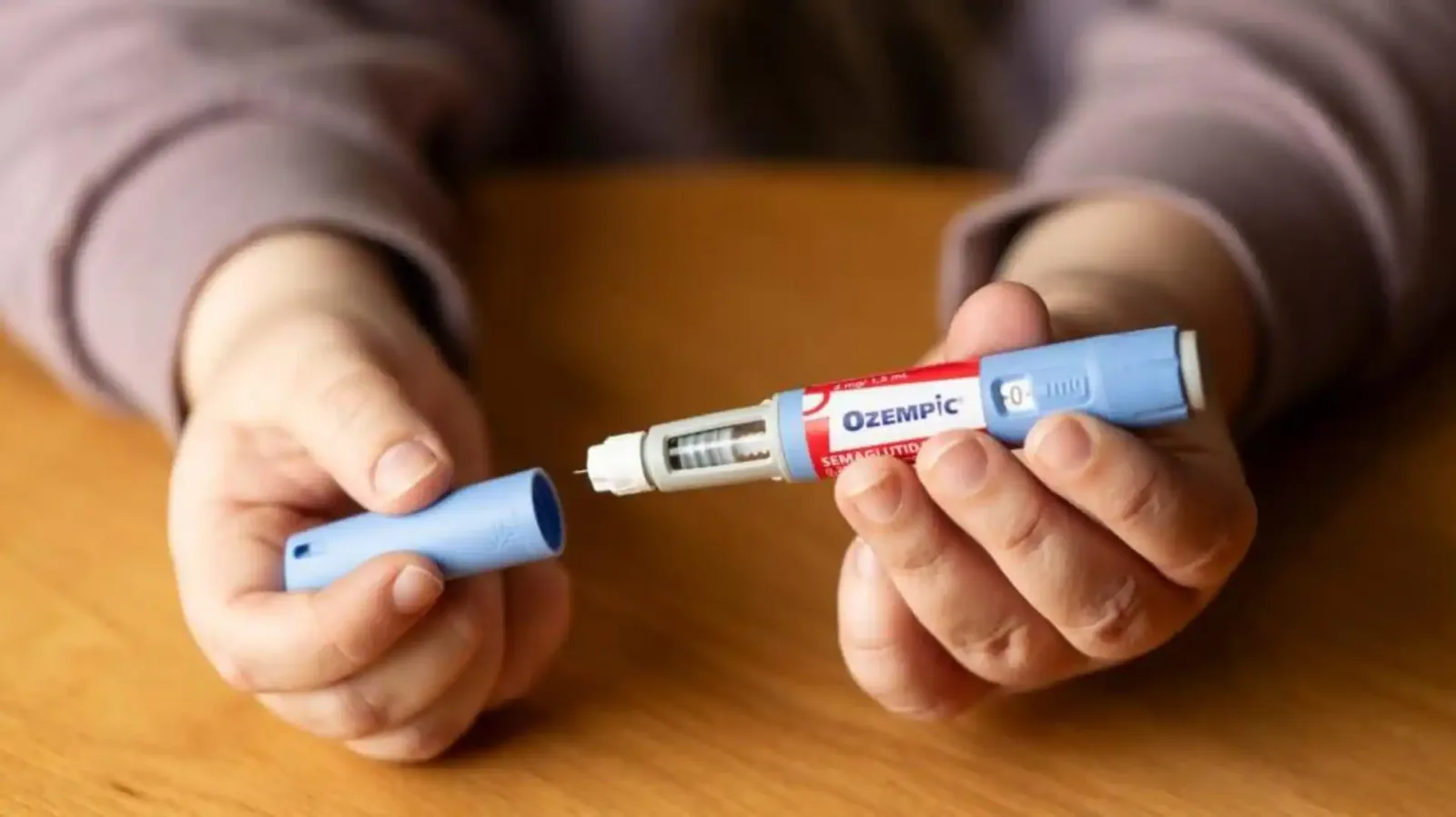
For quite some time, medications such as Ozempic have been quietly transforming diabetes management. More recently, they've garnered attention due to their significant effects on weight reduction. Now, researchers are exploring a new possibility: could these drugs also benefit the brain?
A recent analysis, presented by the American Academy of Neurology, suggests that individuals with Type 2 diabetes taking GLP-1 medications may have a slightly reduced risk of developing epilepsy. This finding has piqued the interest of both neurologists and diabetes specialists, though they advise caution.
Study Details and Findings
The research, which was published in the journal Neurology this month, examined health information from over 450,000 adults in the United States. All participants had Type 2 diabetes and no prior history of seizures or epilepsy. Half were prescribed GLP-1 drugs like semaglutide, dulaglutide, or liraglutide, while the other half received a different class of medication known as DPP-4 inhibitors, often referred to as gliptins.
Over a five-year average follow-up period, a small number of participants in both groups developed epilepsy. However, the incidence was slightly lower in those taking GLP-1 drugs, a difference that remained even after researchers adjusted for other health factors. Health tracking apps like Shotlee can help monitor such conditions and medication adherence.
Precision tracking for your journey
Join thousands using Shotlee to accurately track GLP-1 medications and side effects.
📱 Get the Shotlee App
Track your GLP-1 medications, peptides, and health metrics on the go with our mobile app!
Key Results
After accounting for factors like age, blood pressure, heart disease, and other conditions that can influence seizure risk, the researchers discovered that GLP-1 users had a 16 percent lower likelihood of developing epilepsy compared to those on DPP-4 inhibitors. Among the drugs studied, semaglutide—the active ingredient in Ozempic—showed the strongest correlation with a reduced risk.
Dr. Edy Kornelius, the study's lead author from Chung Shan Medical University in Taiwan, characterized the results as promising but preliminary. He noted that individuals with diabetes are known to have a higher risk of developing epilepsy later in life, and many patients do not respond well to current epilepsy treatments.
Important Considerations
Despite the excitement, researchers are careful to emphasize the study's limitations. This was an observational analysis, so it can only point out a correlation, not prove that GLP-1 drugs actively prevent epilepsy. Crucial details, such as family history, genetic factors, and alcohol consumption, were also missing. Prescription choices might have been affected by cost, insurance regulations, or the severity of a person's diabetes, all of which could subtly affect the results.
- GLP-1 drugs were linked to a modest reduction in epilepsy risk
- Semaglutide showed the strongest association
- The study followed participants for at least five years
- Tirzepatide was not included, as it entered the market later
- Randomised, long-term trials are still needed
Summary of Key Facts
- Ozempic is primarily used to manage Type 2 diabetes and has been noted for its significant impact on weight loss.
- A study found that people with Type 2 diabetes who use GLP-1 medications, including Ozempic, have a modestly lower risk of developing epilepsy.
- GLP-1 drugs, such as semaglutide (Ozempic), dulaglutide, and liraglutide, are medications used to treat Type 2 diabetes.
- The study found that GLP-1 users were 16 percent less likely to develop epilepsy compared to those on DPP-4 inhibitors, with semaglutide showing the strongest association.
- The study was observational and cannot prove causation. It also lacked details on family history, genetic factors, and alcohol use. Further randomised, long-term trials are needed.