Introduction to Peptide Therapy
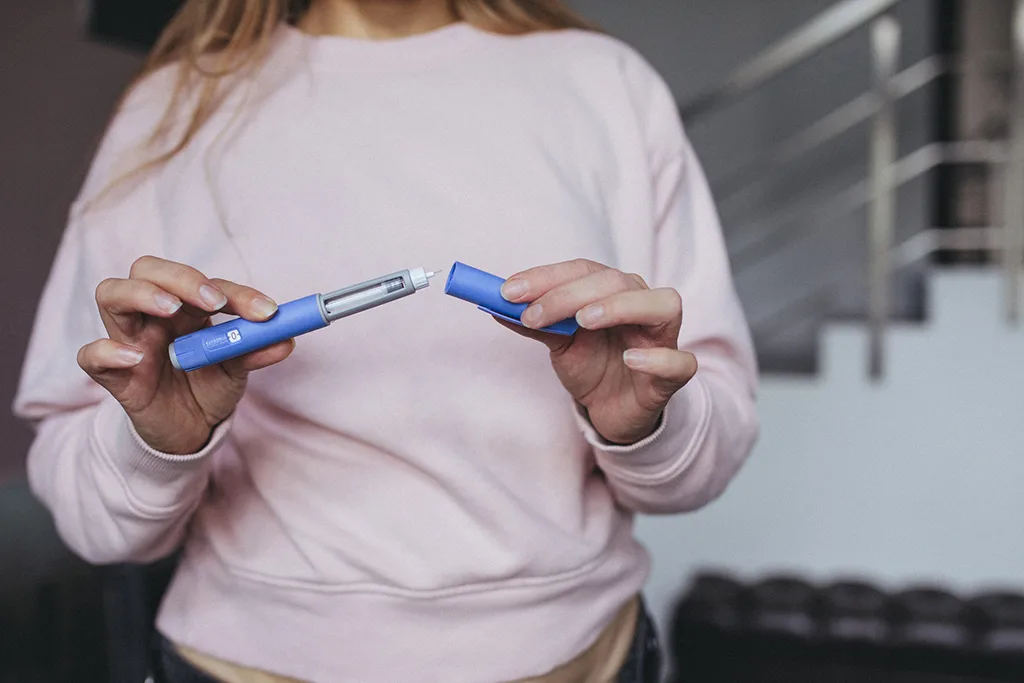
Peptide therapy involves using short chains of amino acids—peptides—to influence bodily functions like metabolism, inflammation, and hormone regulation. The explosion of GLP-1 receptor agonists, such as semaglutide (Ozempic, Wegovy) and tirzepatide (Mounjaro, Zepbound), has brought peptides into the mainstream for weight loss and type 2 diabetes management. These FDA-approved medications mimic gut hormones to promote satiety and glucose control, leading to average weight losses of 15-20% in clinical trials.
While GLP-1s dominate headlines, other peptides like tesamorelin and investigational ones (e.g., BPC-157) promise benefits for fat reduction, injury recovery, and anti-aging. However, not all peptides are equal—many lack robust human data and regulatory approval. This guide provides a clinician's perspective on evidence-based uses, mechanisms, and risks for health-conscious individuals exploring peptide therapy.
What Are Peptides and How Do They Work?
Peptides are naturally occurring molecules made of 2-100 amino acids, serving as signaling molecules in the body. They bind to specific receptors to regulate processes like insulin release, tissue repair, and energy metabolism. Unlike proteins, their smaller size allows easier synthesis and absorption.
- Endogenous examples: Insulin (regulates blood sugar), ghrelin (hunger hormone).
- Synthetic peptides: GLP-1 agonists replicate incretin hormones secreted by the intestines post-meal.
The global peptide therapeutics market exceeds $50 billion annually, projected to reach $100 billion by 2030, fueled by GLP-1 success. These drugs normalize self-injection, paving the way for broader adoption—but with heightened scrutiny on unregulated sources.
FDA-Approved Peptides: Focus on GLP-1 Medications
GLP-1 Receptor Agonists (Semaglutide, Tirzepatide)
GLP-1s like Ozempic (semaglutide weekly injection for diabetes) and Wegovy (higher-dose semaglutide for obesity) slow gastric emptying, reduce appetite via brain signaling, and improve insulin sensitivity. STEP trials showed Wegovy users losing 15-17% body weight over 68 weeks vs. 2.4% on placebo.
Mounjaro/Zepbound (tirzepatide) dual-targets GLP-1 and GIP receptors, yielding superior results: SURMOUNT-1 trial reported 20.9% weight loss at highest dose. Common dosing: Semaglutide starts at 0.25mg weekly, titrating to 2.4mg; tirzepatide 2.5mg to 15mg.
Clinical pearl: GLP-1s excel in metabolic health but require lifestyle support for sustained results. Track progress with apps like Shotlee to monitor symptoms, side effects, and nutrition intake.
Tesamorelin: Growth Hormone Support
FDA-approved for HIV-associated lipodystrophy, tesamorelin stimulates natural growth hormone (GH) release from the pituitary, reducing visceral fat by 15-18% in trials. Daily 2mg subcutaneous injection. Off-label use for body composition is common but lacks broad approval.
Emerging and Research Peptides
BPC-157 and TB-500: Tissue Repair
BPC-157 (Body Protection Compound) shows promise in animal studies for accelerating tendon, ligament, and gut healing via angiogenesis and anti-inflammatory effects. Human data is anecdotal; no FDA approval. Typical research doses: 250-500mcg daily subcutaneously.
TB-500 (thymosin beta-4 fragment) promotes actin polymerization for wound healing. Limited human trials; potential for reduced inflammation and faster recovery.
Precision tracking for your journey
Join thousands using Shotlee to accurately track GLP-1 medications and side effects.
📱 Get the Shotlee App
Track your GLP-1 medications, peptides, and health metrics on the go with our mobile app!
NAD+ and Others
NAD+ (nicotinamide adenine dinucleotide), a coenzyme often grouped with peptides, supports cellular energy and DNA repair. IV or subcutaneous forms (100-500mg) may boost alertness and mitigate aging markers, per small studies. GHK-Cu aids collagen production for skin health.
Retatrutide, an investigational triple-agonist (GLP-1/GIP/glucagon), achieved 24% weight loss in phase 2 trials—outpacing predecessors—but awaits FDA approval.
Potential Benefits and Clinical Evidence
- Weight Loss & Metabolic Health: GLP-1s reduce cardiovascular risk (SELECT trial: 20% lower events with semaglutide).
- Injury Recovery: BPC-157 preclinical data suggests faster Achilles tendon repair.
- Anti-Aging & Energy: Tesamorelin improves lean mass; NAD+ enhances mitochondrial function in rodent models.
- Skin & Inflammation: GHK-Cu boosts collagen by 70% in vitro.
Benefits are most proven for approved peptides; others rely on user reports from forums like Reddit's r/peptides.
Risks, Side Effects, and Management
Peptides carry risks, especially unregulated ones. GLP-1s cause nausea (44% in trials), vomiting, and rare pancreatitis/gallbladder issues. Manage with slow titration and hydration.
- Injection Risks: Site reactions, infection if unhygienic.
- Gray Market Dangers: Third-party tests (e.g., Finnrick) find 30% mislabeled/contaminated products, including bacterial toxins or incorrect dosing. Chinese-sourced vials risk degradation from poor storage.
- Serious Events: Retatrutide users report severe GI pain/pancreatitis; untested stacks amplify unknowns.
Management Tips:
- Consult physicians; avoid DIY from unverified sources.
- Source FDA-approved or compounded under 503B pharmacies.
- Monitor with bloodwork (liver enzymes, hormones).
- Use tools like Shotlee to log side effects, aiding dose adjustments.
Safe Sourcing and Legal Considerations
Stick to prescriptions for approved peptides. Compounding pharmacies face FDA bans on certain peptides due to safety concerns. "Research only" vendors exploit loopholes but pose contamination risks. Overseas products often lack oversight, with COAs unreliable for dosing accuracy.
Bodybuilders and influencers promote stacks, but evidence lags. Prioritize clinical trials over anecdotes.
Integrating Peptides with Lifestyle
Peptides amplify—not replace—diet, exercise, sleep. Pair GLP-1s with high-protein meals (1.6g/kg body weight) and resistance training to preserve muscle. For recovery peptides, combine with physical therapy.
Conclusion
Peptide therapy, led by GLP-1 powerhouses like Ozempic, Wegovy, Mounjaro, and Zepbound, offers transformative metabolic benefits backed by robust trials. Emerging options like BPC-157 hold intrigue but demand caution amid limited data and sourcing pitfalls. Consult healthcare providers, prioritize evidence, and track holistically for optimal outcomes. Empower your health journey with science, not hype.