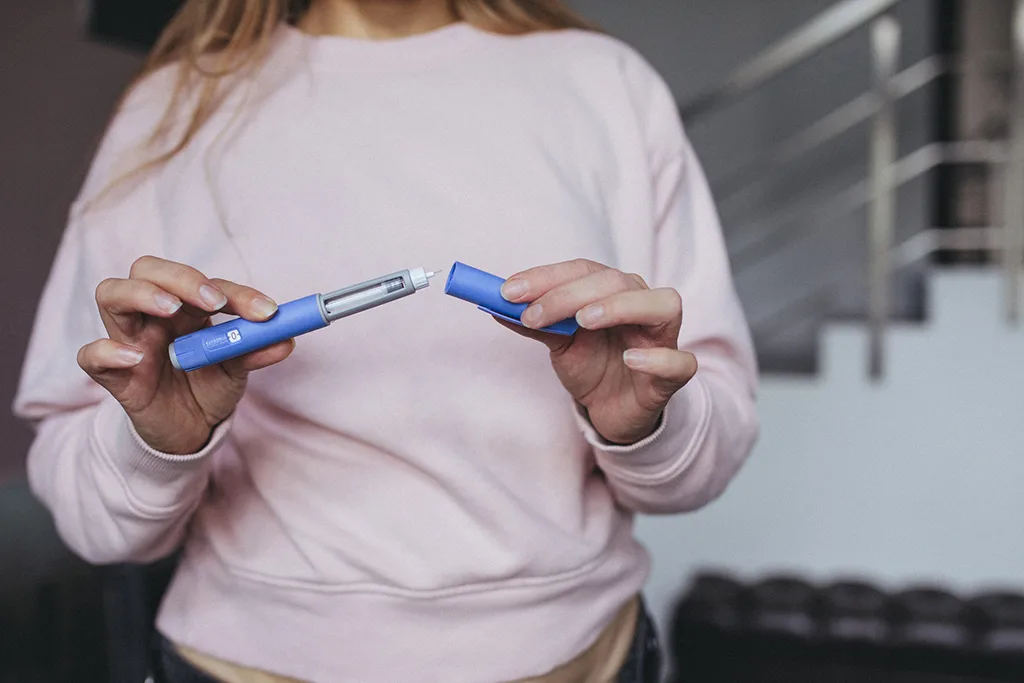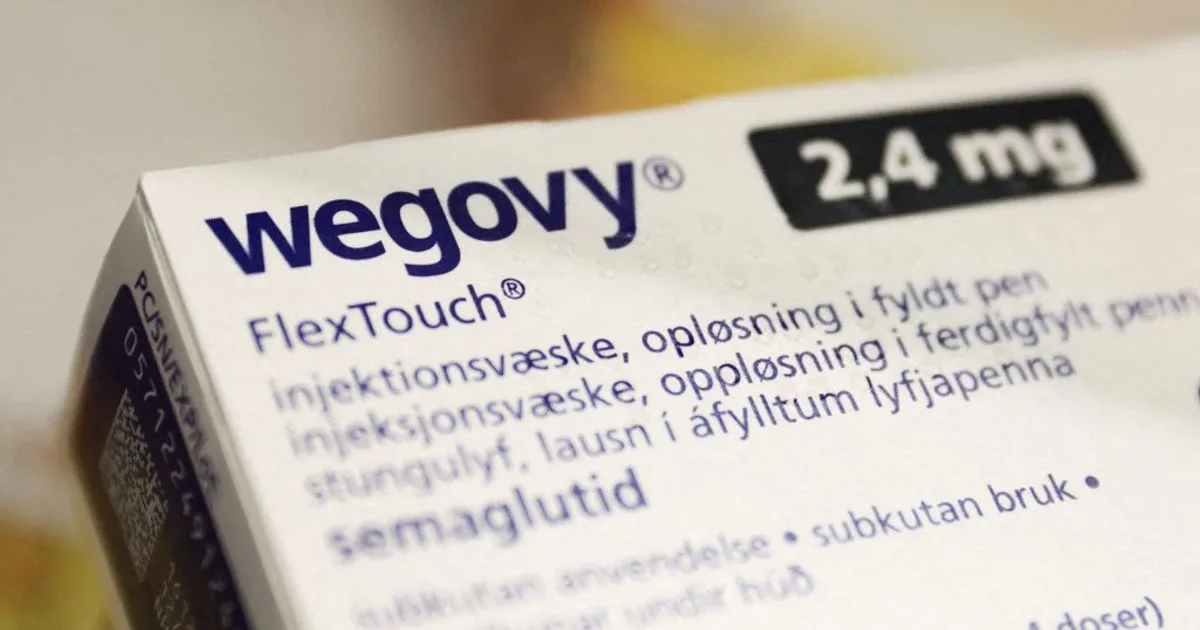
Peptide injections, particularly GLP-1 receptor agonists, have emerged as a powerful tool for weight management. Medications like semaglutide (Wegovy, Ozempic), liraglutide (Saxenda), and tirzepatide (Mounjaro) work by regulating blood sugar and suppressing appetite, offering a significant boost to individuals with a BMI over 30, or those with a BMI of 27-29 accompanied by health risks such as pre-diabetes, hypertension, or cardiovascular disease. These medications mimic the action of the GLP-1 hormone, leading to reduced hunger and improved blood sugar control.
However, experts caution that discontinuing these therapies often leads to weight regain, highlighting the need for a long-term approach to weight management. Maintaining weight loss achieved through peptide therapy can be challenging, and may even require ongoing treatment. While some individuals successfully sustain their results through consistent lifestyle changes, the long-term effects of stopping these medications, including their impact on cardiovascular health and metabolism, are still being investigated.
This is where health tracking becomes crucial. Using an app like Shotlee can help you monitor your progress, track key health metrics, and stay accountable to your wellness goals. Shotlee lets you track peptide dosages (like GLP-1), weight fluctuations, diet, exercise, and other crucial factors influencing your long-term success.
Furthermore, research is ongoing to determine the optimal duration of peptide therapy and identify factors that predict sustained success. Questions remain about body composition changes, rare long-term side effects, and safety considerations following prolonged use and cessation of these medications. Limited data also exists on combining these medications with other weight-loss strategies and their cost-effectiveness over several years.
Precision tracking for your journey
Join thousands using Shotlee to accurately track GLP-1 medications and side effects.
📱 Get the Shotlee App
Track your GLP-1 medications, peptides, and health metrics on the go with our mobile app!
The "yo-yo effect" is a real concern when discontinuing peptide therapy. As one endocrinologist noted, the brain resists weight loss, and when medications that control hunger are withdrawn, weight regain is common. Obesity is recognized as a chronic disease by the World Health Organization, emphasizing the need for comprehensive and continuous management.
Therapy should always be supervised by a physician. Some patients may require lifelong medication, which isn't necessarily a negative outcome. Gradual dose reduction is often attempted under medical supervision, while monitoring symptoms like hunger. Nutritional support and regular physical activity are vital components of any weight loss journey. Furthermore, exploring other peptide therapies that may assist in overall wellness goals, like BPC-157 (known for its healing properties) or melanotan (for increased tanning), could be additional strategies.
Microdosing GLP-1 medications, taking significantly lower doses than prescribed, is sometimes explored as a method for maintaining weight. While it may help some individuals, it is considered off-label use and lacks robust scientific evidence. Tracking this type of experimental approach in an app like Shotlee becomes especially important, allowing you to correlate dosage with perceived effects and any potential side effects. This approach is also used to mitigate side effects, reduce costs, or gradually wean off medication, emphasizing the importance of medical supervision and consistent health tracking.
Ultimately, there is no magic bullet for weight loss. Treatment must be comprehensive, involving medication, diet, and exercise. Gradual dose reduction can be considered when the condition is stable, and therapy can be reintroduced if needed, guided by a healthcare professional and careful monitoring of your health metrics with tools like Shotlee.