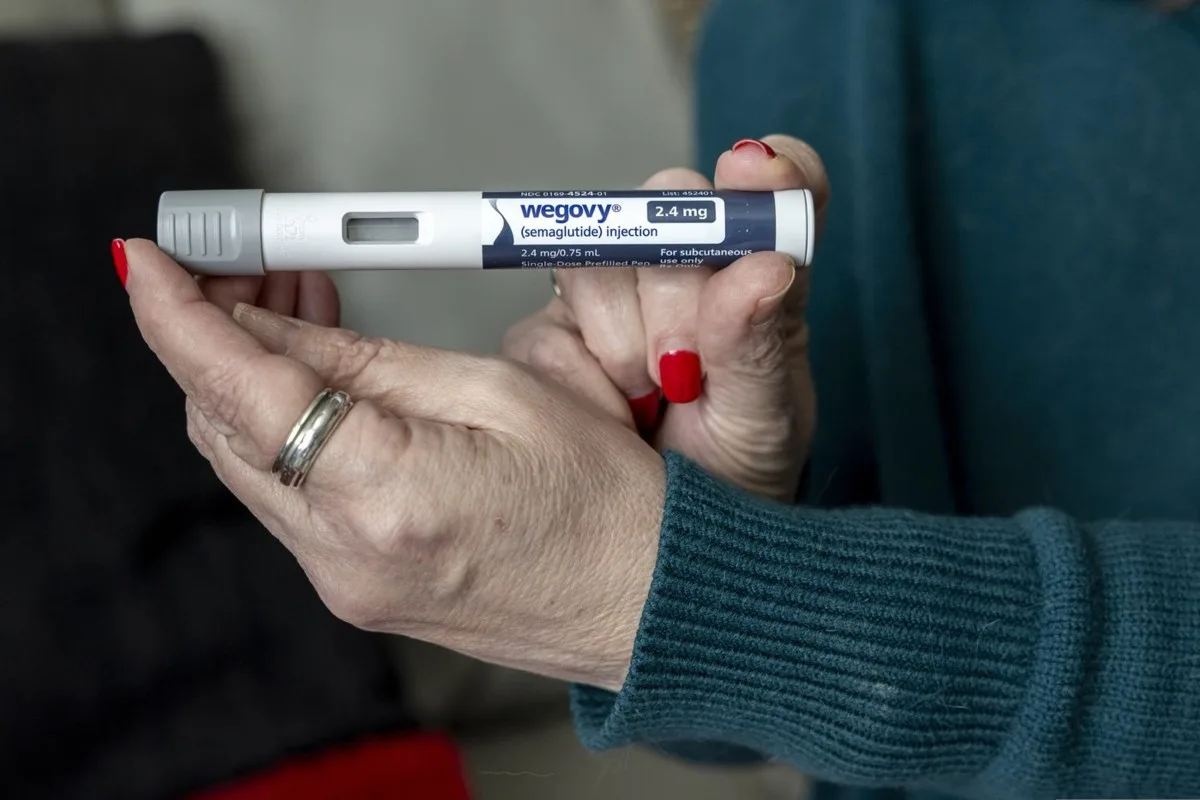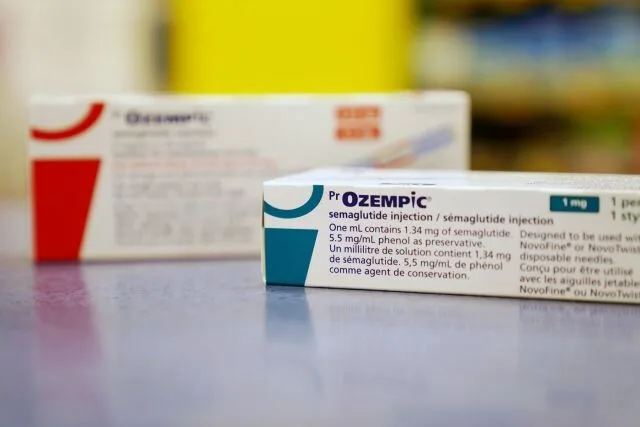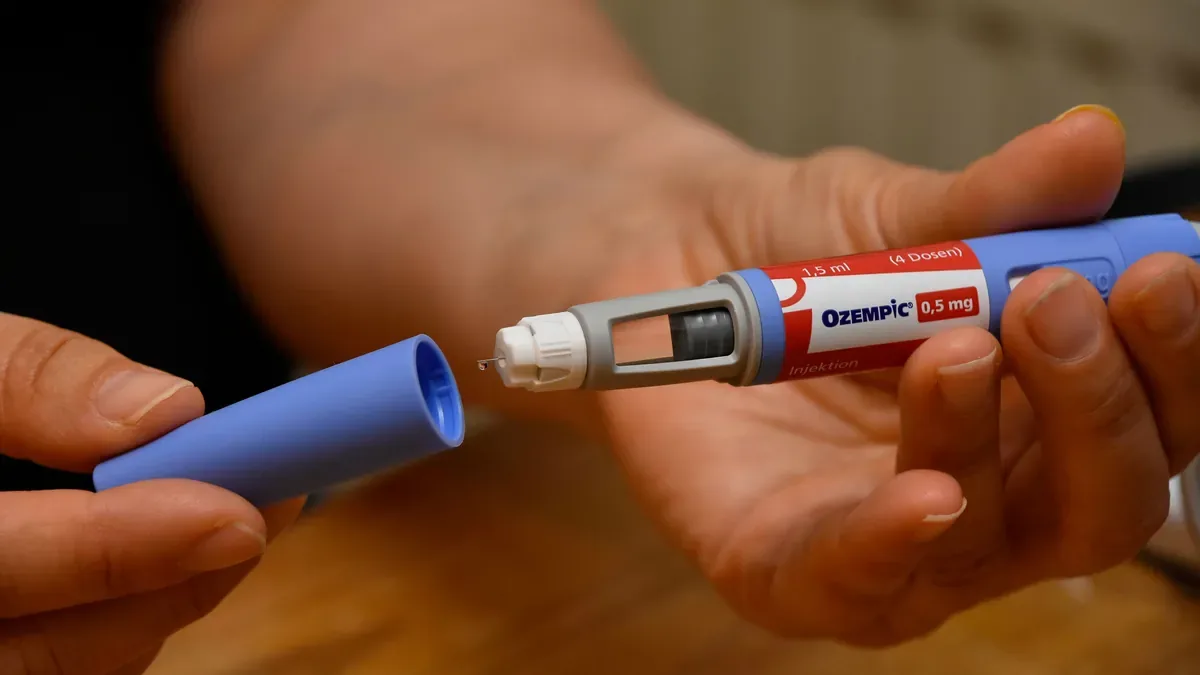

Could the same peptides used for weight management also influence alcohol consumption? Emerging research suggests a surprising connection between GLP-1 receptor agonists, such as semaglutide (Ozempic), and reduced alcohol cravings and intoxication levels.
For many, alcohol is a regular part of life. However, for others, it can lead to dependence and related health issues. Interestingly, individuals using GLP-1 medications for weight loss have reported a decrease in their alcohol consumption and a diminished desire for alcohol. This prompted researchers at the Fralin Biomedical Research Institute to investigate the underlying mechanisms.
Their pilot study involved 20 participants with a BMI over 30, half of whom were taking GLP-1 agonists. All participants consumed an amount of alcohol intended to raise their blood alcohol content to approximately 0.08%. Researchers monitored their breath alcohol levels and subjective feelings of intoxication over the following hour.
The findings revealed that those on GLP-1 agonists experienced a delayed sensation of intoxication and a slower rise in blood alcohol levels. Dr. Alex DiFeliceantonio, the study lead, explained that slower absorption might decrease the potential for dependence, as rapidly acting substances tend to be more addictive.
Precision tracking for your journey
Join thousands using Shotlee to accurately track GLP-1 medications and side effects.
📱 Get the Shotlee App
Track your GLP-1 medications, peptides, and health metrics on the go with our mobile app!
One key factor appears to be the effect of GLP-1 agonists on gastric emptying. These medications slow down the rate at which food and liquids leave the stomach, delaying the absorption of alcohol into the bloodstream. This not only reduces the immediate impact of alcohol but may also influence the brain's reward system, potentially curbing cravings. Participants on GLP-1s also reported a reduced 'craving' for alcohol, which normally increases while drinking alcohol.
This research builds on previous studies indicating that weight loss peptides can influence addictive behaviors by acting on the central nervous system. The recent findings provide additional physiological insight into this phenomenon. While other medications for alcohol dependence directly target the brain, GLP-1 agonists might offer a different approach by modulating alcohol absorption.
Beyond GLP-1 agonists, the world of peptide therapy offers a wide range of possibilities for health optimization. For example, BPC-157 is known for its potential in healing and tissue repair, while melanotan might affect skin pigmentation. Thymosin peptides are researched for their immune-modulating properties. It's important to consult with a healthcare professional to determine which, if any, peptides are right for your individual needs.
Tracking your progress and understanding your body's response to peptides is crucial. Tools like Shotlee can be invaluable for monitoring various health metrics, including weight loss, blood glucose levels, and overall well-being, especially when using peptides like GLP-1s, BPC-157, or others. By diligently logging your data in Shotlee, you can identify trends, optimize your peptide therapy, and achieve your wellness goals more effectively. The research, while preliminary, opens doors to exploring the potential of existing medications for addressing alcohol dependence, potentially offering a new avenue for treatment.