
A Journey Beyond the Scale: Heather's 55kg Transformation
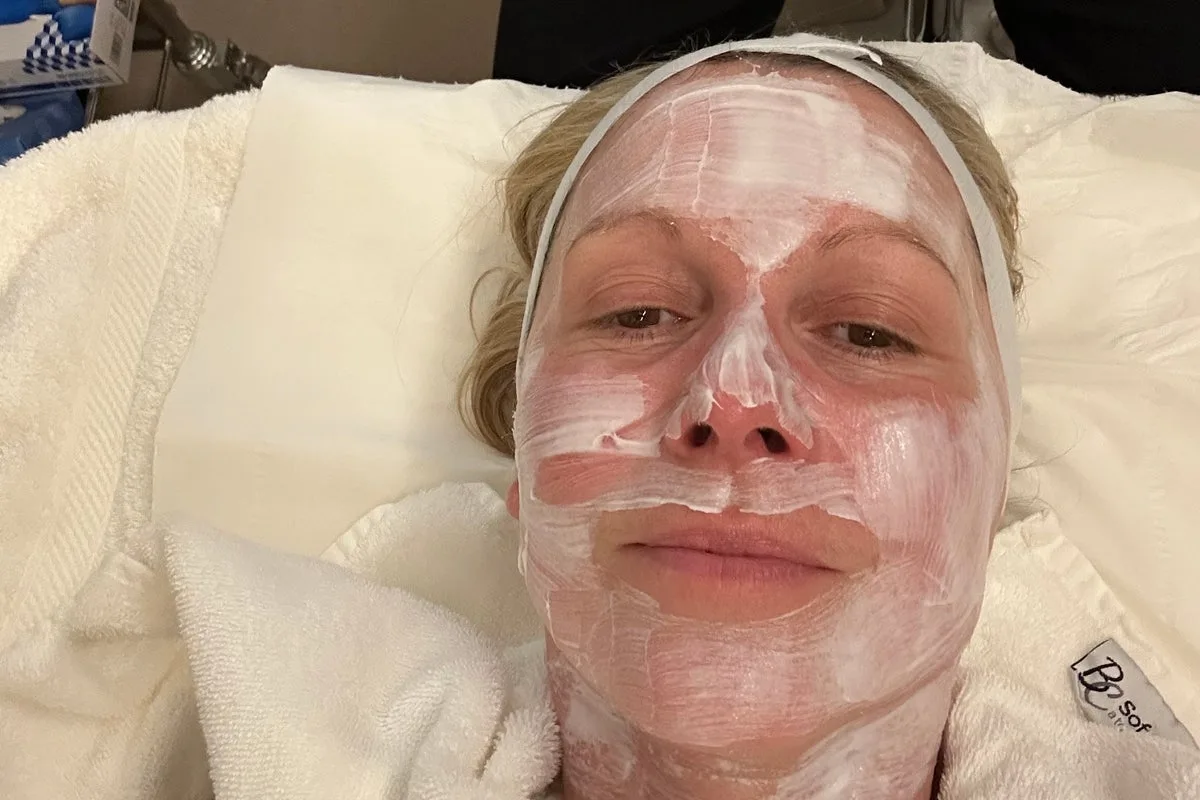
For Heather Marie, the struggle with weight was not merely about vanity; it felt like a betrayal by her own biology. Throughout her high school years, despite being an active cheerleader in peak physical condition, she noticed an insidious annual weight gain of approximately 5 kilograms (11 pounds). By the time she graduated, her weight had climbed to 85 kilograms (187 pounds).
"I felt like my body was out of control," Heather, now aged 35, shared regarding her long-standing battle. As she entered adulthood, married a chef, and navigated the demands of motherhood and full-time teaching, maintaining her weight became increasingly difficult. Despite diligent efforts including Zumba classes and calorie monitoring, her weight continued to climb, eventually reaching 113 kilograms (250 pounds).
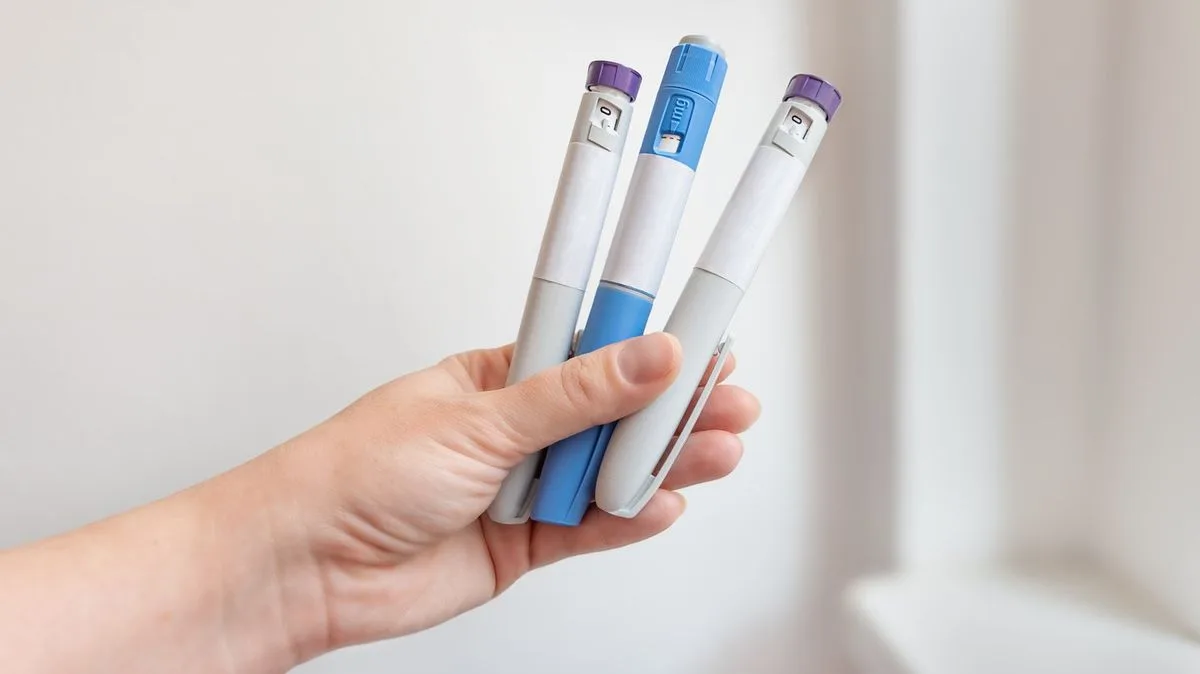
It was not until March 2021, while trying to conceive a second child, that Heather finally received a diagnosis for her metabolic struggles: Polycystic Ovary Syndrome (PCOS) and hypothyroidism. While doctors suggested the popular weight loss drug Ozempic, Heather refused. "I'm very wary about taking any medications at all," she explained. Instead, she embarked on a journey of research and lifestyle modification that ultimately led to a transformative 55kg weight loss, eliminating the need for GLP-1 agonists like semaglutide or tirzepatide.
Understanding the Metabolic Double Whammy: PCOS and Hypothyroidism
Heather's diagnosis highlighted a complex interplay between two common endocrine disorders. PCOS drives weight gain by increasing the body's tendency to store fat through insulin resistance. It disrupts hunger and satiety hormones, slows calorie burn, and can influence mood in ways that affect eating and activity patterns. Simultaneously, hypothyroidism causes the metabolism to slow down, reducing the number of calories burned and leading to fluid retention and fat storage.
For many patients, this "double whammy" creates a physiological environment where traditional dieting often fails. When metabolism is suppressed and insulin sensitivity is compromised, the body resists the calorie deficit required for weight loss. This is why many patients turn to pharmaceutical interventions. However, for those who prefer to avoid injectable therapies like Wegovy or Mounjaro, or who experience side effects from peptide therapy, addressing underlying nutritional deficiencies becomes a critical strategy.
Heather began by making small, sustainable tweaks to her diet, such as cutting out gluten and dairy, and committed to walking 10,000 steps a day. Within six months, she lost 15kg (33lb). However, the real breakthrough came when she addressed a specific micronutrient gap that is frequently overlooked in PCOS management.
The Magnesium Breakthrough: More Than a Supplement
Heather found that nutritional deficiencies are often discussed in the PCOS community, with magnesium frequently highlighted for its potential benefits. Research shows magnesium may help address several underlying issues in PCOS, including stress, insulin resistance, and inflammation. After consulting her gynecologist, she began taking magnesium oxide daily.
The results were immediate and profound. Heather reported that magnesium oxide helped her with mood swings, insulin resistance, hunger cravings, headaches, migraines, back pain, and bowel movements. She noted a specific reduction in "food noise"—the constant mental chatter about eating that is often managed by GLP-1 medications.
"It got rid of my 'moon face' in less than two weeks, and I noticed a significant reduction in food noise after taking that," Heather said. The weight started falling off again, with Heather dropping 4kg (9lb) in just the first week of taking the supplement. Within a year, she lost an additional 40kg, bringing her total weight loss to 55kg.
Precision tracking for your journey
Join thousands using Shotlee to accurately track GLP-1 medications and side effects.
📱 Get the Shotlee App
Track your GLP-1 medications, peptides, and health metrics on the go with our mobile app!
Dr. Zac Turner, a biomedical scientist and general practitioner, clarifies that magnesium is not a weight loss "silver bullet." "Magnesium isn't a weight loss hack - it's certainly a lifestyle hack because it works across multiple different systems in the body," Dr. Turner explains. "It helps reduce inflammation, cortisol levels, and improves gut health and sleep. It doesn't work as a stimulant or appetite suppressant. But I find that people who have used it, especially in a routine, have the best success."
Choosing the Right Magnesium Form for Your Goals
There are more than ten types of magnesium available, and when you take them matters significantly. Most people do not know the difference between forms, which can lead to suboptimal results. Dr. Turner notes that the choice of magnesium should align with specific health goals, whether that is bowel regulation, stress management, or sleep support.
Comparison of Magnesium Types
| Magnesium Type | Best Time to Take | Primary Benefits | Best For |
|---|---|---|---|
| Magnesium Oxide | Morning with water | Regulates bowel movements, eases cramps | Constipation, acute muscle pain |
| Magnesium Citrate | Morning with water | Hydration, digestion support | Bowel regularity, cramps |
| Magnesium Glycinate | Afternoon or Evening | Nervous system support, stress reduction | Anxiety, sleep issues, insulin sensitivity |
| Magnesium L-Threonate | Afternoon | Cognitive function, deeper sleep | Brain fog, restful sleep |
For instance, magnesium citrate and magnesium oxide should be taken in the morning with plenty of water, because they help regulate bowel movements and ease muscle cramps and aches. In contrast, magnesium glycinate and magnesium L-threonate are best taken in the afternoon to support your nervous system and manage stress. These types can also promote deeper, more restful sleep.
"Magnesium glycinate can help stimulate parasympathetic activity, often referred to as 'rest and digest'," Dr. Turner said. This activation of the rest-and-digest system is crucial for weight management, as chronic stress keeps the body in a sympathetic "fight or flight" mode, which favors fat storage.
Integrating Health Tracking for Sustainable Results
While supplements play a role, consistency is key to managing chronic conditions like PCOS. Heather's experience highlights the importance of monitoring not just weight, but symptoms and lifestyle factors. Using a health tracking tool like Shotlee allows patients to correlate supplement intake with symptom changes over time.
For example, tracking daily magnesium dosage alongside mood swings, sleep quality, and hunger levels can reveal patterns that might otherwise go unnoticed. If a patient is on a GLP-1 regimen like Ozempic or Wegovy, tracking can help identify if side effects are manageable or if lifestyle adjustments are needed to prevent weight regain. For those avoiding injectables, tracking ensures that the foundational health practices—like diet, sleep, and supplementation—are being maintained consistently.
Heather's experience lines up with advice from Dr. Turner, who notes that if you can help improve gut health and sleep health through magnesium, you are going to generally get a response with whatever dietary approach you use. Her experience motivated her to become a certified coach in gut health, wellness, and weight loss, focusing on helping women manage PCOS symptoms sustainably.
Practical Takeaways for PCOS and Weight Management
- Address Deficiencies First: Before relying solely on medication, check for common deficiencies like Magnesium, Vitamin D, Zinc, and Copper.
- Choose Your Magnesium Wisely: Match the form of magnesium to your primary goal (e.g., Glycinate for sleep/stress, Oxide for digestion).
- Monitor Food Noise: If you experience constant cravings, improving gut health and magnesium levels may help reduce the urge to eat.
- Lifestyle Consistency: Supplements support lifestyle changes; they do not replace the need for diet and activity modifications.
- Track Your Data: Use health tracking apps to monitor how supplements impact your symptoms and weight over weeks and months.
Conclusion
Heather Marie's story serves as a powerful reminder that weight loss, particularly in the context of PCOS and hypothyroidism, is multifactorial. While GLP-1 medications like semaglutide and tirzepatide have revolutionized weight loss treatment, they are not the only path. For those wary of medication or seeking to optimize metabolic health naturally, addressing nutritional deficiencies like magnesium offers a scientifically grounded alternative.
By combining targeted supplementation with lifestyle changes like increased walking and dietary modifications, Heather achieved a 55kg loss without the need for injectables. Whether you are considering peptide therapy or exploring natural supplements, understanding the biology of your condition is the first step toward reclaiming control of your health.