
Introduction: The Ozempic Waistline Revolution on Wall Street
In the high-stakes world of finance, where image is everything, a quiet transformation is underway. Tailors in New York City, long accustomed to tweaking suits for fluctuating client weights, are now overwhelmed with requests to take in garments rather than let them out. Investment bankers, private equity executives, and lawyers are returning to shops like Michael Andrews' in NoHo with slimmer frames, crediting GLP-1 medications such as Ozempic, Wegovy, and Mounjaro.
This isn't hype—it's measurable. Tailors report dozens of clients bringing back entire wardrobes of 20-40 pieces for alterations after losing 20-30 pounds. As a specialist in GLP-1 therapies, I'll break down the clinical science, real-world evidence from these tailors, and practical guidance for anyone considering these drugs for weight management.
What Are GLP-1 Medications and How Do They Drive Weight Loss?
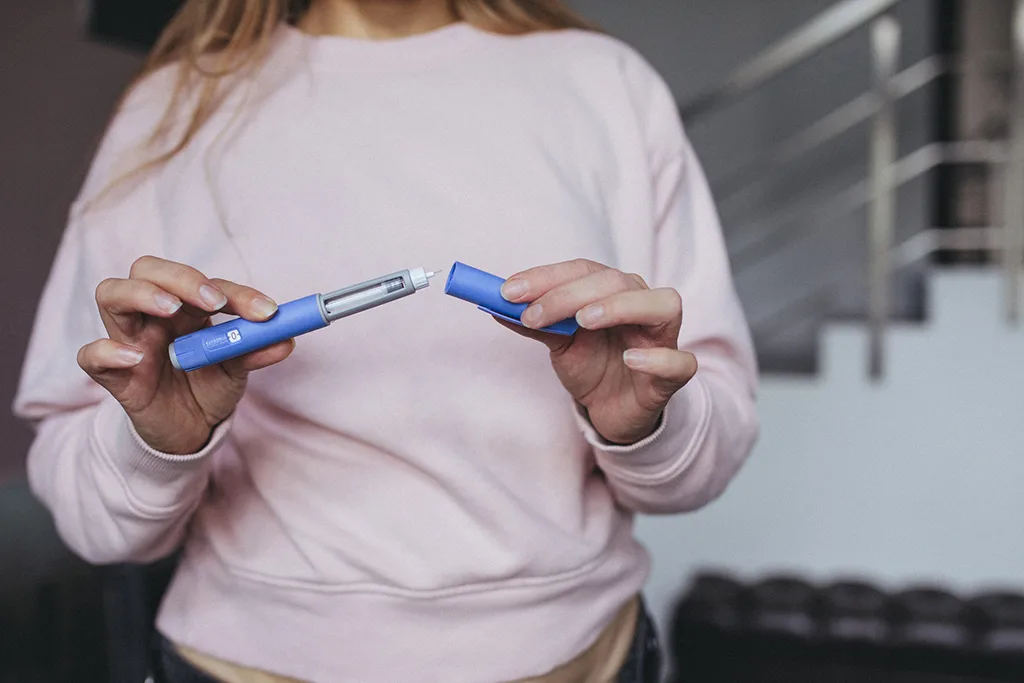
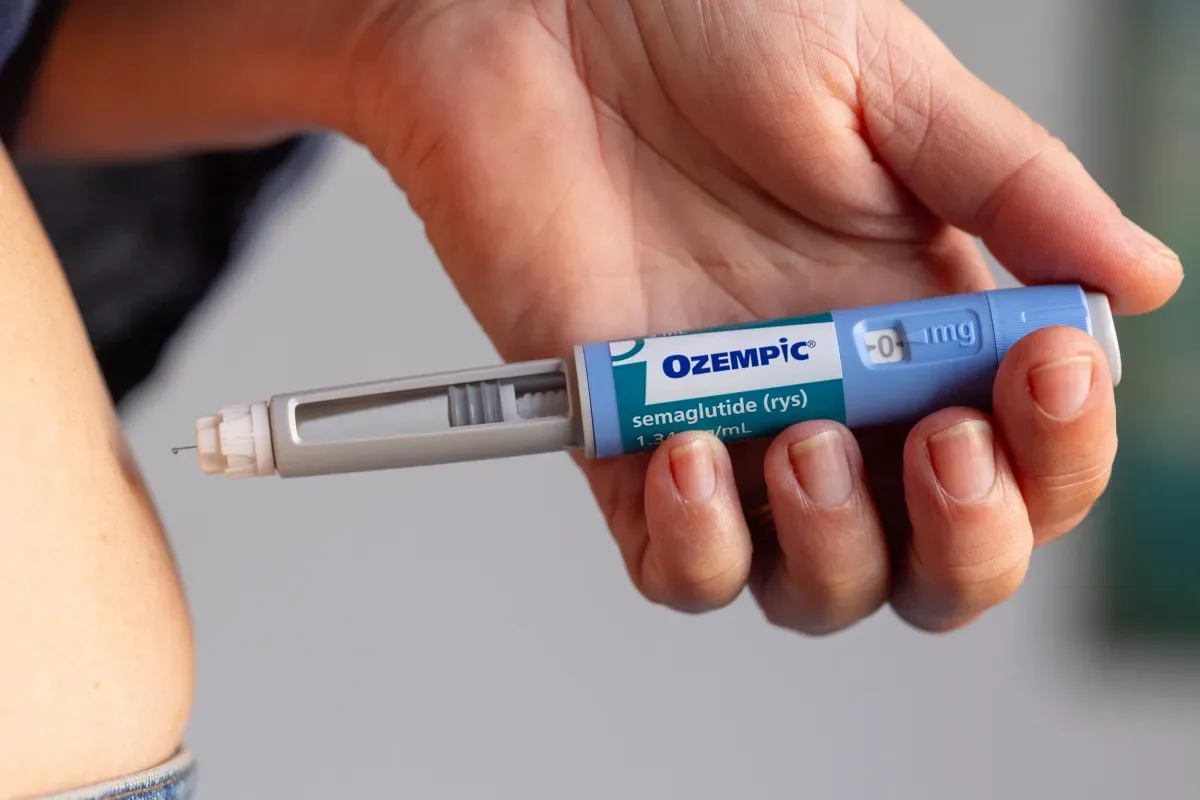
GLP-1 receptor agonists, or GLP-1s, mimic the gut hormone glucagon-like peptide-1, which regulates blood sugar, slows gastric emptying, and signals fullness to the brain. Originally developed for type 2 diabetes, drugs like Ozempic (semaglutide) and Wegovy (higher-dose semaglutide) gained fame for weight loss, while Mounjaro (tirzepatide) and Zepbound (tirzepatide for obesity) add GIP receptor agonism for even greater effects.
The Science of Satiety and Fat Loss
These medications reduce appetite by acting on hypothalamic centers, leading to caloric restriction without hunger. Clinical trials like STEP 1 for Wegovy showed 14.9% average weight loss at 68 weeks versus 2.4% on placebo. Tirzepatide in SURMOUNT-1 achieved 20.9% loss at 72 weeks. Mechanisms include:
- Slower digestion: Food stays in the stomach longer, promoting fullness.
- Reduced food reward: Brain changes diminish cravings for high-calorie foods.
- Improved insulin sensitivity: Better metabolic health preserves muscle during fat loss.
A November 2024 Kaiser Family Foundation poll revealed 18% of 1,350 Americans had used GLP-1s, with 75% for weight loss—not just diabetes. The market? UBS projects $126 billion by 2029, driven by demand from professionals seeking an edge.
Wall Street Tailors' Data: Quantifying the Ozempic Effect
Michael Andrews, a two-decade Wall Street tailor, tracked major alterations (2+ inches in jackets/pants). Historically, for every 2-4 take-ins, there was 1 let-out. COVID-2020 spiked take-ins 10:1 due to lifestyle shifts. But 2024 flipped it: 11 take-ins per let-out, with 192 take-ins vs. 17 let-outs—double 2023's take-ins and 5x the 2020 peak.
"We've had dozens of clients bring back entire wardrobes... they've lost 20 to 30 pounds." — Michael Andrews
Alan Horowitz, tailoring for Blackstone and BlackRock, saw free lifetime alterations usage jump from 2.5% to 16% in 2024, mostly take-ins. Average client chest size dropped 1.5 inches since 2023. Clients, thrilled at college-era weights, often replace wardrobes entirely.
Jonathan Sigmon at Alan Flusser Custom reported 30% more alterations in 2024 vs. 2023, mostly take-ins. Israel Zuber at LS Mens noted slimmer cuts—less padding, trimmer fits—to accentuate losses: "You don't see as many portly people as you used to."
Precision tracking for your journey
Join thousands using Shotlee to accurately track GLP-1 medications and side effects.
📱 Get the Shotlee App
Track your GLP-1 medications, peptides, and health metrics on the go with our mobile app!
Why Tailors See It First
Wall Street's visible clientele amplifies trends. Easier to shrink suits than expand them, and weight loss boosts confidence for return visits. Tailors like Andrews hired extra staff; Horowitz faces surging costs but gains from new purchases.
Beyond Tailors: Clinical Context and Broader Impacts
These anecdotes align with trials. Semaglutide users lose 10-15% body weight in 6-12 months; tirzepatide hits 20%+. But sustainability? 65-70% regain weight post-discontinuation without lifestyle changes (Yale study, 2023). Wall Street's edge: access, discipline, and pairing drugs with nutrition.
Side effects like nausea (20-40% initially), GI issues, or "Ozempic face" (facial fat loss) are common but manageable. Muscle loss (20-40% of total) underscores resistance training's role.
Maximizing GLP-1 Benefits: Evidence-Based Strategies
Dosing and Onboarding
Start low: Ozempic 0.25mg weekly, titrate to 2.4mg (Wegovy max). Mounjaro: 2.5mg to 15mg. Expect 4-8 weeks for appetite suppression.
Lifestyle Synergy
- Protein-first nutrition: 1.6g/kg body weight preserves muscle.
- Strength training: 3x/week counters sarcopenia.
- Hydration & fiber: Mitigates constipation.
Apps like Shotlee help track symptoms, side effects, and nutrition alongside GLP-1 therapy, ensuring data-driven adjustments.
Managing Side Effects
Nausea? Smaller meals, ginger. GI distress? Probiotics. Long-term: Monitor thyroid, pancreas per guidelines. Consult providers for personalized plans.
Shotlee's logging features can flag issues early, optimizing your regimen.
Conclusion: A New Era for Metabolic Health
From Wall Street suits to global health, GLP-1s like Ozempic are proving transformative—15-20% weight loss, tailors' ledgers as proof. Yet success demands integration: meds + habits. For patients, this means sustainable metabolic health, not quick fixes. If considering GLP-1s, prioritize evidence, monitoring, and professional guidance for lasting results.