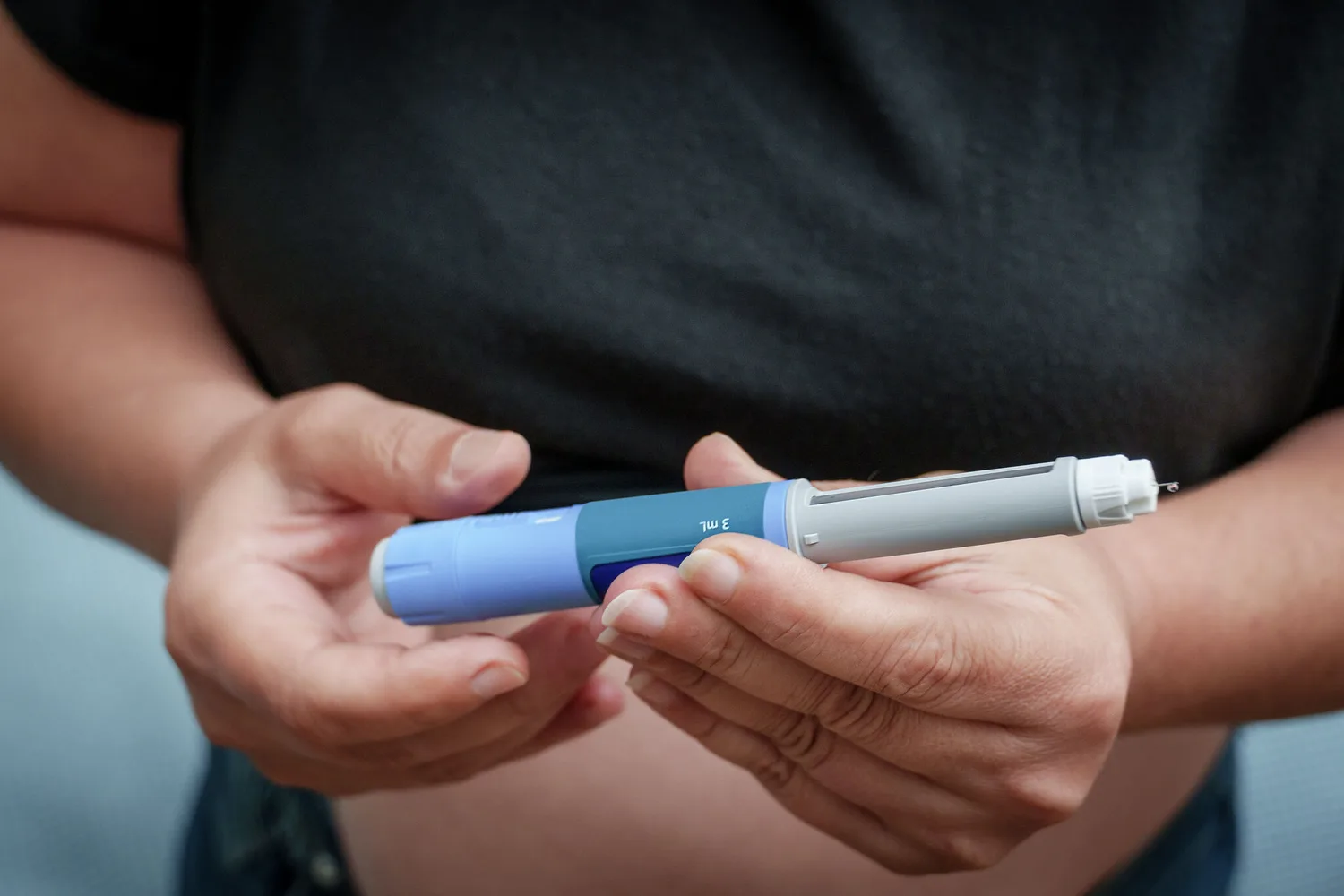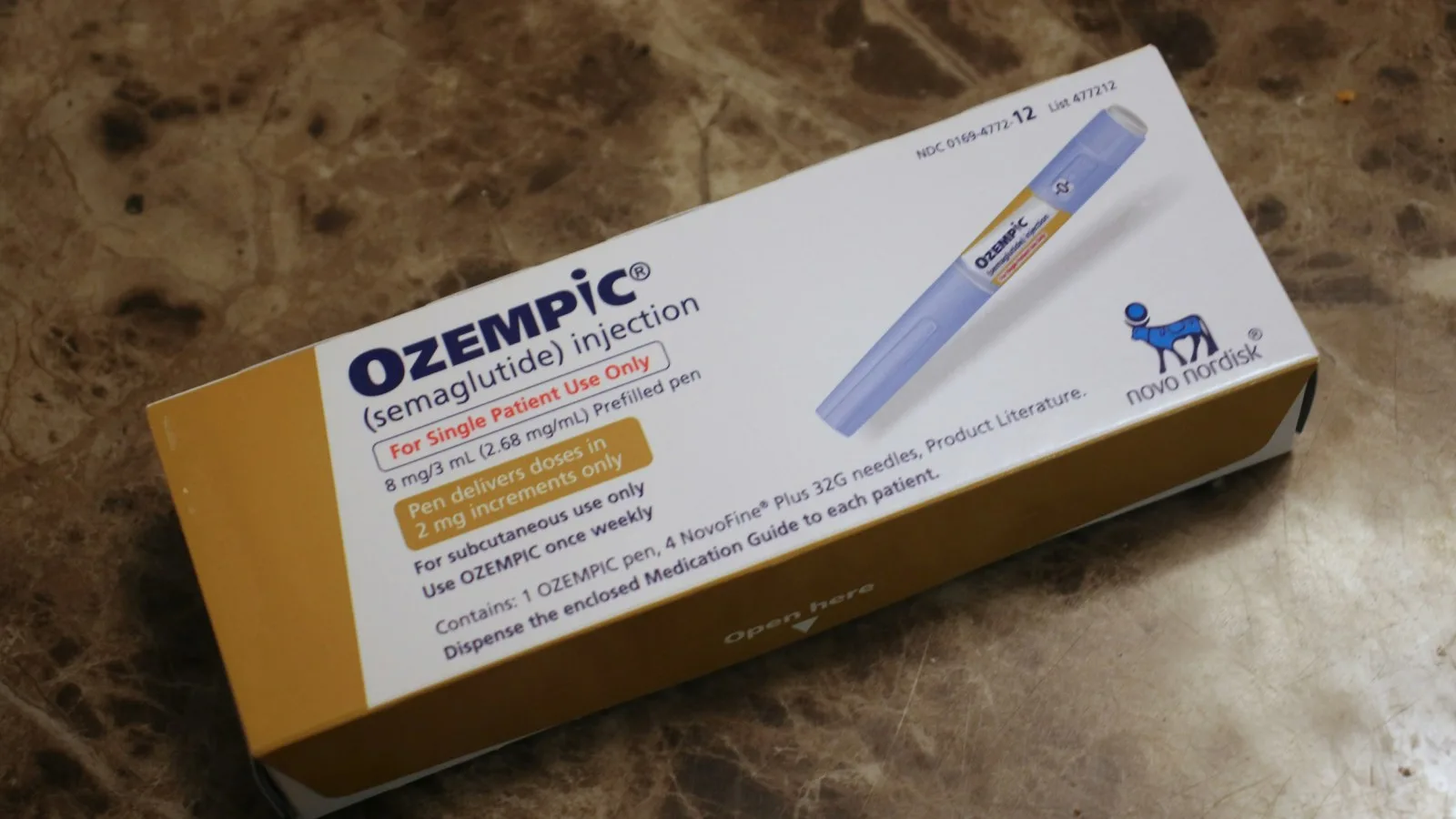

Ozempic, a brand name for semaglutide, has reshaped how obesity and metabolic disease are treated. Originally approved for type 2 diabetes, it is now widely used as a weekly weight loss injection that targets appetite regulation through GLP-1 receptor activation. This guide dives into the real benefits of Ozempic and similar weight loss drugs, their hidden risks, and long-term effects, drawing from key clinical trials like SELECT and STEP to help patients make informed decisions.
What is Ozempic and How Does Semaglutide Work?
Semaglutide mimics the GLP-1 hormone, which is naturally released in the gut after eating. By activating GLP-1 receptors in the brain and pancreas, Ozempic slows gastric emptying, reduces appetite, and improves insulin secretion while decreasing glucagon release. This leads to better blood sugar control and significant calorie reduction without constant hunger.
Typical dosing starts low—often 0.25 mg weekly—and gradually increases to 1 mg or 2.4 mg to minimize side effects. This titration strategy is crucial, as obesity is increasingly treated as a chronic condition, much like hypertension or diabetes, requiring long-term strategies rather than short-term fixes.
Most people lose between 15% and 20% of their starting body weight when using Ozempic consistently. Results vary depending on dose, duration, and lifestyle habits, with weight loss tending to plateau after the first year. Maintaining results usually requires continued treatment or strong lifestyle support.
Ozempic Side Effects: Common Issues and Management
Ozempic side effects are most noticeable during the early weeks of treatment, particularly as doses increase. Gastrointestinal symptoms such as nausea, vomiting, diarrhea, constipation, and abdominal discomfort are dose-dependent and usually improve with slow titration.
According to the U.S. Food and Drug Administration, nausea affects roughly 44% of users, vomiting about 25%, and diarrhea around 30%, with most symptoms resolving within one to two months as the body adapts to semaglutide therapy. Most Ozempic side effects occur early and improve within weeks. Gastrointestinal symptoms are usually temporary with proper dose titration. Serious side effects are rare but require medical attention. Long-term tolerance is generally good for most users.
Injection site reactions are uncommon, and proper rotation further lowers the risk. Tools like Shotlee can help track these symptoms and medication schedules, ensuring timely adjustments with your doctor.
Preventing and Addressing Gastrointestinal Discomfort
- Start with the lowest dose and increase gradually.
- Eat smaller, bland meals to ease nausea.
- Stay hydrated and consider anti-nausea medications if prescribed.
Patients should discuss persistence of symptoms with their healthcare provider, as discontinuation still occurs in a notable portion of users despite these strategies.
Cardiovascular and Metabolic Benefits of Ozempic
Weight loss injections like semaglutide offer benefits that go beyond the scale, particularly for people with obesity and cardiovascular disease. Metabolic improvements include reductions in HbA1c, fasting glucose, triglycerides, and waist circumference, all linked to lower cardiometabolic risk. Quality-of-life scores also improve, reflecting better physical function and emotional well-being as weight decreases.
The SELECT Trial: 20% Reduction in Heart Events
Based on a large study conducted by researchers and published in The New England Journal of Medicine, the SELECT trial followed 17,604 adults with overweight or obesity and established cardiovascular disease. Semaglutide reduced major adverse cardiovascular events—such as heart attack, stroke, and cardiovascular death—by about 20% compared with placebo.
These findings underscore Ozempic's role in chronic disease management, with long-term data suggesting many cardiovascular benefits persist while treatment continues.
Precision tracking for your journey
Join thousands using Shotlee to accurately track GLP-1 medications and side effects.
📱 Get the Shotlee App
Track your GLP-1 medications, peptides, and health metrics on the go with our mobile app!
STEP Trials: Weight Loss and Lifestyle Integration
Earlier STEP trials reinforced these findings, showing average weight loss near 15% over 68 weeks when semaglutide was paired with lifestyle guidance. Preserving muscle mass through adequate protein intake (1.6-2.2 g/kg body weight) and resistance training is essential to maximize these outcomes.
Muscle Loss and Weight Regain: Key Long-Term Risks
A growing concern with rapid weight reduction is muscle loss. Research suggests that when total body weight drops by 15-20%, as seen in many trials, up to 40% of that loss may come from lean mass if protein intake and resistance training are inadequate. This raises the risk of weakness and long-term metabolic slowdown, particularly in older adults.
Some muscle loss can occur during rapid weight reduction, especially with low protein intake. Resistance training and adequate protein help preserve lean mass. Muscle loss is not inevitable but requires active prevention. This is especially important for older adults.
Weight regain is another challenge. After stopping semaglutide, many individuals regain a significant portion of lost weight within a year if lifestyle habits are not sustained. Stopping semaglutide often leads to weight gain if no other strategies are in place. Some people transition to lower doses or extended dosing intervals. Lifestyle changes become critical after discontinuation. Decisions should always be guided by a healthcare provider.
Serious Risks and Contraindications for Long-Term Use
Despite its benefits, semaglutide risks must be carefully weighed, especially for long-term use. According to the National Institute of Diabetes and Digestive and Kidney Diseases, GLP-1 receptor agonists carry warnings related to thyroid C-cell tumors observed in rodents, though this effect has not been clearly demonstrated in humans. For this reason, semaglutide is contraindicated in individuals with a personal or family history of medullary thyroid cancer or MEN2 syndrome.
Other uncommon but serious risks include pancreatitis and gallbladder disease, with gallstones occurring in a small percentage of users during rapid weight loss. Careful monitoring is recommended for those with prior gallbladder issues. Long-term safety data beyond four to five years are still emerging, leaving open questions about sustained muscle preservation, nutrient absorption, and lifelong dependence on medication.
Some clinicians address discontinuation concerns by tapering doses or extending dosing intervals once weight goals are reached. These strategies aim to balance ongoing benefits with reduced exposure, though they require close medical supervision.
Practical Guidance: Who Should Consider Ozempic?
Ozempic works best as part of a long-term, structured approach including nutrition, physical activity, and medical follow-up. Ideal candidates include those with obesity (BMI ≥30) or overweight (BMI ≥27) with comorbidities like type 2 diabetes or cardiovascular disease.
- Consult your doctor if you have a history of thyroid cancer, pancreatitis, or gallbladder issues.
- Combine with lifestyle: Aim for 150 minutes of weekly exercise, focusing on resistance training 2-3 times per week.
- Monitor progress: Regular check-ins for weight, blood work, and body composition.
Compared to alternatives like surgery, Ozempic offers non-invasive results, but it requires commitment to avoid rebound effects.
Key Takeaways: What This Means for Patients
- Ozempic delivers 15-20% weight loss and 20% reduced cardiovascular risk per SELECT trial.
- Common side effects like 44% nausea improve with time and titration.
- Prevent muscle loss (up to 40% of weight lost) with protein and exercise.
- Weight regain is common post-discontinuation without lifestyle changes.
- Long-term use needs monitoring for rare risks like thyroid tumors or gallstones.
Conclusion
Ozempic and similar obesity drugs have changed expectations around weight loss, offering results that were once difficult to achieve without surgery. Their benefits extend to cardiovascular and metabolic health, making them especially valuable for high-risk individuals. At the same time, side effects, muscle loss, and the likelihood of weight regain after stopping treatment underscore the need for realistic planning. When used thoughtfully, weight loss injections can support healthier outcomes while minimizing risks. Clear understanding and ongoing monitoring remain essential as more long-term evidence continues to emerge. Always partner with your healthcare provider for personalized advice.