
Ozempic has become a lightning rod in conversations about weight loss, especially after recent accusations leveled at Bollywood actress Tamanna Bhatia. Social media erupted when fans noticed her drastic transformation, with many claiming she used this GLP-1 medication despite her denials. Comments poured in: "She looked malnourished," "Her curvy body was her charm," and critiques of fading body positivity amid celebrity fitness fads. This isn't just gossip—it's a window into broader tensions between rapid pharmacological weight loss, societal pressures, and genuine health.
In this comprehensive guide, we'll unpack the science behind Ozempic, address celebrity rumors, explore GLP-1 medications like Ozempic, Wegovy, Mounjaro, and Zepbound, and provide practical advice for those considering these drugs. Whether you're eyeing them for metabolic health or navigating side effects, here's what you need to know—rooted in clinical evidence, not headlines.
What Are GLP-1 Medications and How Do They Work?
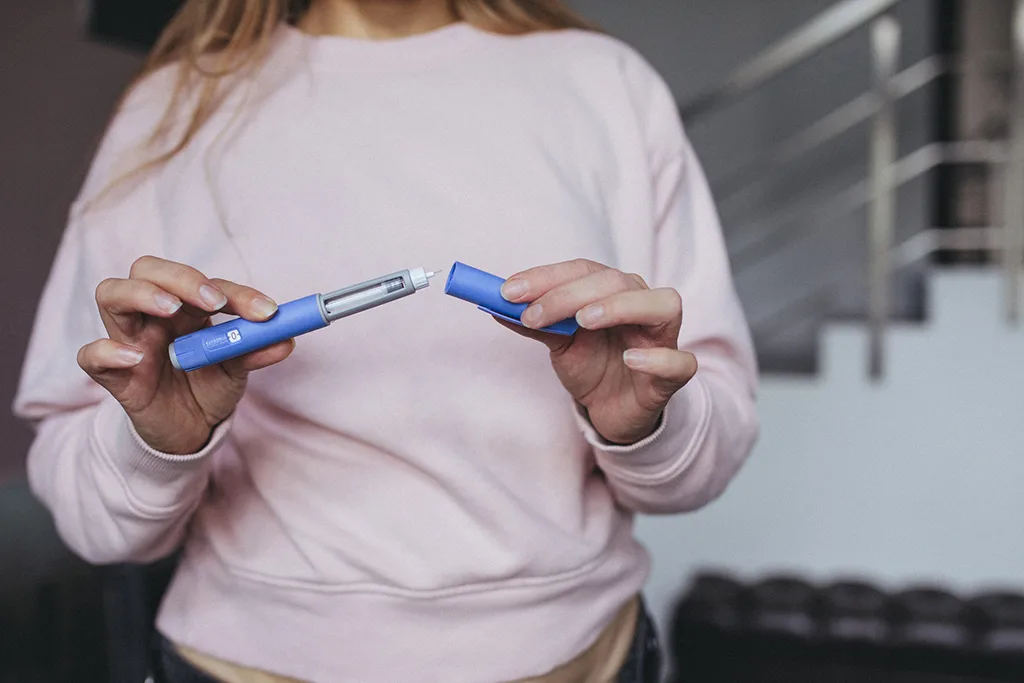
GLP-1 receptor agonists, or incretin mimetics, are a class of drugs originally developed for type 2 diabetes management. Ozempic (semaglutide) is the brand name for a weekly subcutaneous injection approved for glycemic control, but it's widely used off-label for weight loss. Wegovy is the higher-dose version specifically FDA-approved for obesity.
These medications mimic glucagon-like peptide-1 (GLP-1), a hormone released in the gut after eating. GLP-1 signals the brain to reduce appetite, slows gastric emptying (making you feel full longer), and inhibits glucagon release to stabilize blood sugar. The result? Significant satiety and calorie reduction without constant willpower battles.
Clinical trials underscore their efficacy. The STEP 1 trial (New England Journal of Medicine, 2021) showed Wegovy users lost 15-20% of body weight over 68 weeks—far surpassing lifestyle interventions alone (2-3% loss). Similarly, tirzepatide (Mounjaro/Zepbound) dual-agonizes GLP-1 and GIP hormones, yielding up to 22.5% weight loss in SURMOUNT-1 trials (2022). For context, that's 30-50 pounds for a 200-pound person.
Key Differences: Ozempic vs. Wegovy vs. Mounjaro vs. Zepbound
- Ozempic (semaglutide 0.25-2mg/week): Diabetes-focused; off-label weight loss common. Max dose lower than Wegovy.
- Wegovy (semaglutide up to 2.4mg/week): Weight loss approved; same molecule, higher dose.
- Mounjaro (tirzepatide 2.5-15mg/week): Diabetes; superior weight loss via dual action.
- Zepbound (tirzepatide up to 15mg): Obesity-approved; fastest results in trials.
Choosing depends on your BMI, comorbidities, and doctor guidance. All require titration to minimize side effects.
Celebrity Ozempic Rumors: Tamanna Bhatia and Beyond
Tamanna Bhatia's recent slimmer appearance—spotted with Aryan Khan—ignited Reddit threads. Users lamented her shift from a "unique, curvy" figure (iconic in songs like 'Aaj Ki Raat') to what they called "malnourished." One post read: "Her body was perfect... now she's like every other slim celeb." Others noted the timing: Ozempic's India launch in September 2024 (not 2025, per regulatory updates) coincided with celebrity "fitness glow-ups."
"Funny how everyone's fitness routine magically started showing results right around the time Ozempic hit." — Reddit user
She's not alone. Ram Kapoor openly admitted using Ozempic, shedding significant weight. Yet most deny it, citing diets like OMAD (One Meal a Day). Bhatia herself explained: "COVID hit my body hard... A woman's body changes every five years due to hormones." While natural fluctuations occur, skeptics argue her changes seem pharmacological.
This mirrors global trends: Elon Musk, Oprah, and countless influencers credit (or deny) GLP-1s. Public backlash highlights body positivity's fragility—despite movements embracing curves, thin ideals persist, especially in Bollywood.
The Real Benefits of Ozempic for Weight Loss
Beyond aesthetics, GLP-1s offer metabolic wins:
- 15-22% sustained weight loss: Maintainable with lifestyle support (SELECT trial, 2023).
- Cardiovascular protection: 20% reduced risk of heart events in diabetics (SUSTAIN-6 trial).
- Improved insulin sensitivity: Aids prediabetes reversal.
- Mental health boost: Reduced binge eating via appetite control.
In India, where obesity affects 20-30% of urban adults (NFHS-5 data), these drugs fill a gap—but cost ₹10,000-₹12,000/month limits access.
Precision tracking for your journey
Join thousands using Shotlee to accurately track GLP-1 medications and side effects.
📱 Get the Shotlee App
Track your GLP-1 medications, peptides, and health metrics on the go with our mobile app!
Risks, Side Effects, and How to Manage Them
No drug is risk-free. Common side effects hit 40-50% initially:
- Gastrointestinal: Nausea (44%), vomiting (24%), diarrhea—titrate slowly.
- Muscle loss: Up to 40% of weight lost is lean mass; pair with resistance training/protein (1.6g/kg body weight).
- Gallbladder issues: 2-3% risk of stones.
- Rare but serious: Pancreatitis, thyroid tumors (boxed warning), gastroparesis.
Long-term data (3+ years) shows 2/3 regain weight post-discontinuation without habits. Monitor with bloodwork; apps like Shotlee help track symptoms, side effects, and nutrition intake for personalized adjustments.
Pro tip: Start low (0.25mg), eat small/frequent meals, stay hydrated. Consult endocrinologists—especially in India, where supply shortages occur.
Body Positivity vs. Health: Finding Balance
Fans mourning Bhatia's curves raise valid points: Weight loss isn't always "better." BMI obsesses over numbers, ignoring muscle, hormones, and genetics. Curvy bodies can be healthy (TOFI: thin outside, fat inside risks notwithstanding). Yet, excess visceral fat drives diabetes/heart disease.
GLP-1s aren't for everyone. Ideal candidates: BMI ≥30 (or ≥27 with comorbidities). Rejecting meds for "authenticity" risks ignoring metabolic red flags.
Sustainable Weight Loss: Beyond Ozempic
For lasting results:
- Protein-first meals: 30g/meal preserves muscle.
- Strength training: 3x/week counters sarcopenia.
- Peptide alternatives: Tesamorelin or CJC-1295 for targeted fat loss (under medical supervision).
- Mindful integration: Use meds as a bridge to habits; track progress with tools like Shotlee.
Studies like DIETFITS (2018) show personalized nutrition trumps one-size-fits-all.
Ozempic in India: Access and Practical Tips
Legal since 2024, it's prescription-only via endocrinologists. Compounded versions risk quality issues—stick to Novo Nordisk originals. Monthly costs: ₹10k-12k, but generics loom.
Navigate shortages by early refills; pair with ICMR-recommended diets (millets, veggies).
Conclusion: Informed Choices Over Rumors
Tamanna Bhatia's story spotlights Ozempic's cultural flashpoint—but the real value lies in science. GLP-1s like Ozempic, Wegovy, Mounjaro, and Zepbound revolutionize weight management for those who need them, backed by robust trials. Weigh benefits against risks, embrace body diversity, and prioritize sustainability. Consult professionals; track diligently. Healthy isn't one size—it's metabolic vitality.