Vision Loss Claims Against Ozempic Spark Legal Action
A federal panel has decided to consolidate numerous lawsuits claiming that popular weight loss drugs, including Ozempic, led to vision loss in patients.
Key Points:
- Currently, 30 federal lawsuits and over 40 state cases allege that GLP-1 drugs caused non-arteritic anterior ischemic optic neuropathy (NAION). This condition restricts blood flow to the optic nerve.
- U.S. District Judge Karen Marston will oversee the new vision loss litigation, in addition to the existing gastroparesis MDL, which includes nearly 3,000 cases.
- Legal actions accelerated after a July 2024 study identified potential vision risks associated with these medications.
The U.S. Judicial Panel on Multidistrict Litigation announced on Monday that these cases against Novo Nordisk and Eli Lilly will proceed as an independent mass litigation in Philadelphia federal court. This is separate from existing gastrointestinal injury claims.
The panel rejected requests from pharmaceutical companies to merge these vision-related complaints with the February 2024 gastroparesis litigation. This litigation involves approximately 3,000 lawsuits asserting that the drugs paralyze the gastrointestinal tract. Instead, the new cases will function as a second mass litigation under the same judge, acknowledging both the differences and potential connections between the two sets of allegations.
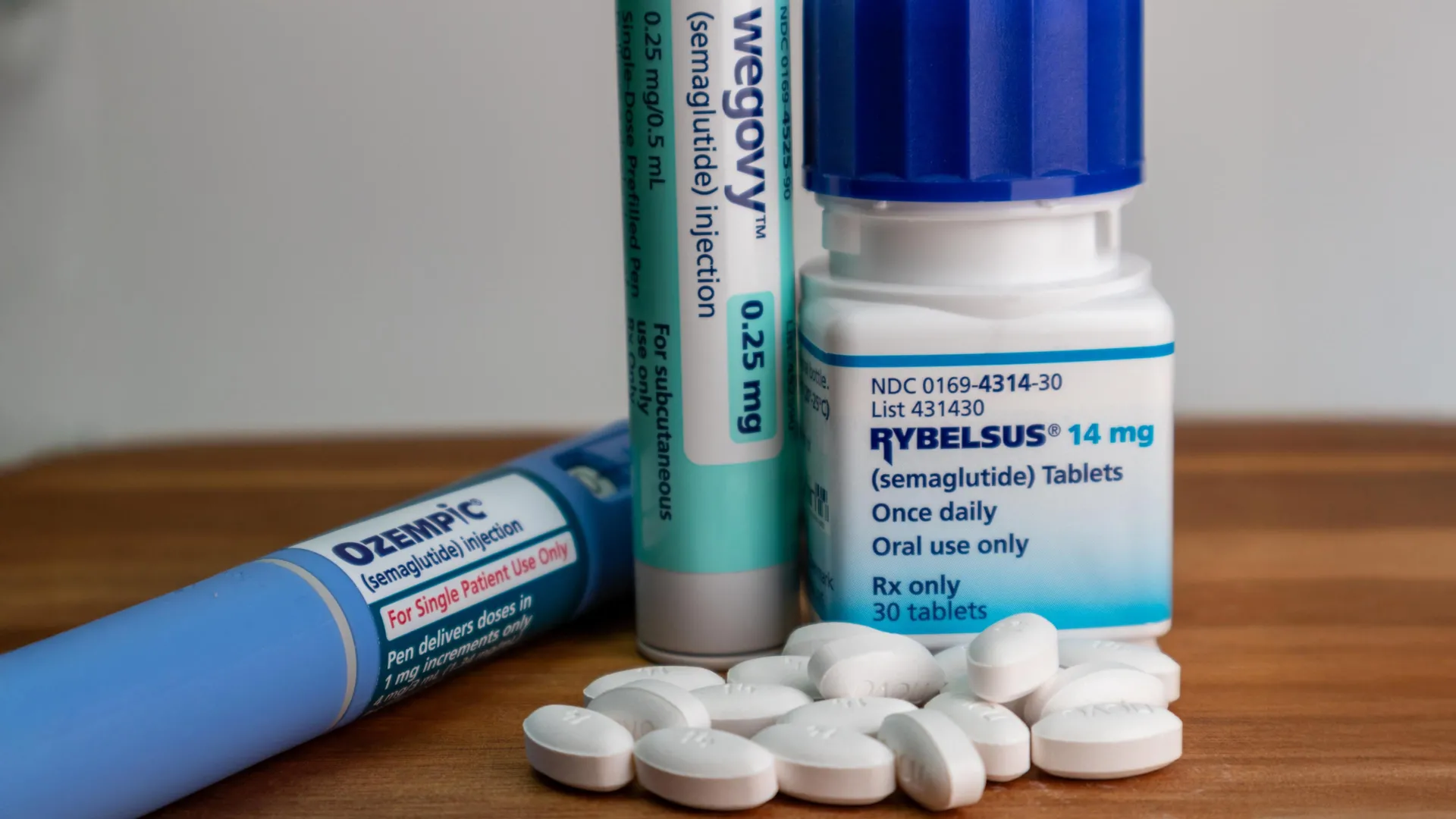
Attorneys for the plaintiffs successfully argued that eye damage cases necessitate distinct medical expertise and evidence compared to injuries of the digestive system. The lawsuits target Novo Nordisk's Ozempic, Wegovy, and Saxenda, as well as Eli Lilly's Trulicity – all of which belong to the GLP-1 agonist drug class. Health tracking apps like Shotlee can help monitor potential side effects related to medications.
These injectable medications function by imitating a natural hormone that slows digestion and prolongs feelings of fullness. Originally designed for diabetes management, these medications are now also used for weight loss. Their popularity has risen significantly across America. An August study by the Centers for Disease Control and Prevention revealed that over 25% of diabetic adults use these treatments.