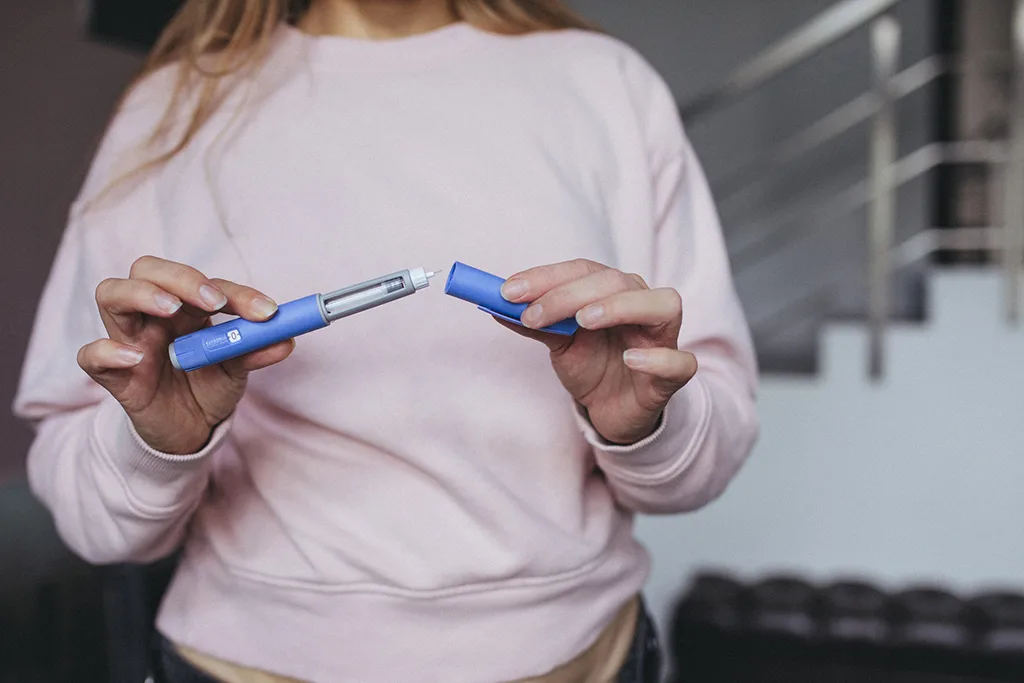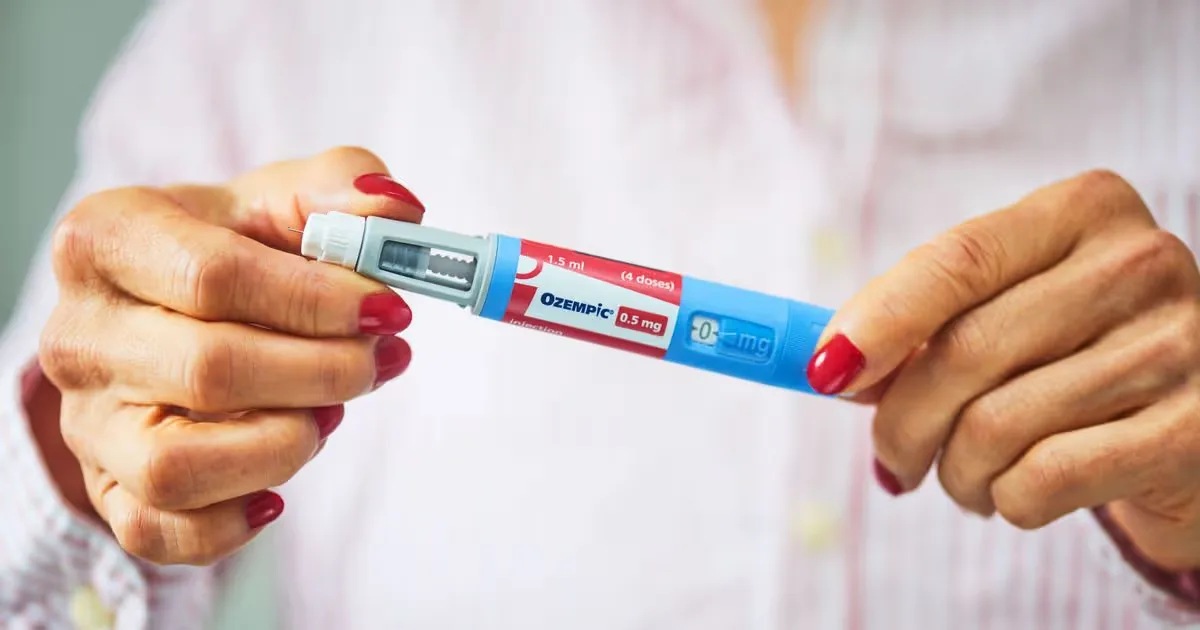

Ozempic culture is driving beauty standards toward extreme thinness once more. Originally developed to manage blood sugar in diabetic patients, this GLP-1 medication gained fame as a weight loss tool, sparking a cultural phenomenon and status symbol. Its ability to suppress appetite and promote weight loss has non-diabetic users pursuing aesthetic leanness, swinging the pendulum from body positivity back to thin ideals with harmful speed.
Thinness Returns as the Fashionable Ideal
For about a decade, body positivity promoted acceptance of diverse body sizes in advertising and social media. Curvier figures were celebrated by influencers, fostering self-acceptance. Then, accessible Ozempic and similar drugs made weight loss straightforward and trendy, rapidly reinstating extreme thinness as desirable.
This shift occurred in months, not years. Fashion, celebrities, and social media now prioritize thin bodies, signaling wealth, health, and discipline. Unlike organic evolution, this change stems from a pharmaceutical product turned status symbol, pressuring others to follow suit.
Intense, Often Invisible Social Pressures
- Those comfortable with their bodies may feel less impact.
- Individuals who embraced body acceptance face psychological reversal.
- Young people developing body image encounter heightened risks for eating disorders.
Pressure transmits subtly through celebrated media images, advertising, and influencers. Tied to medication, it gains a "health" veneer, even for non-overweight, non-diabetic users. Critiquing it risks seeming anti-health, amplifying the intensity.
Physical Consequences of Ozempic Use Emerge
Maintaining extreme leanness via appetite suppression demands continuous semaglutide use, fostering dependency. Rapid weight loss often leads to muscle loss. Long-term effects for aesthetic purposes remain unclear.
Precision tracking for your journey
Join thousands using Shotlee to accurately track GLP-1 medications and side effects.
📱 Get the Shotlee App
Track your GLP-1 medications, peptides, and health metrics on the go with our mobile app!
- Discontinuation frequently causes rapid weight regain, heightening anxiety.
- Users stay on an "aesthetic treadmill" to preserve thinness.
Psychologically, medication-driven thinness pursuit disrupts food and body relationships, especially among youth building healthier views.
The Dangers of Rapid Cultural Shifts
Beauty standards evolve naturally, but this shift's velocity causes whiplash. Body acceptance lacked time to solidify before thinness reemerged as optimal. Youth face medication pressures without resilient body image foundations.
Ozempic didn't invent thinness desire but enabled and accelerated it. The response to its availability has pressurized extreme leanness, mirroring past celebrations of size acceptance but with accelerated harm.
For evidence-based weight management, consult healthcare providers on GLP-1 medications like Ozempic, weighing benefits against risks including dependency and muscle loss.