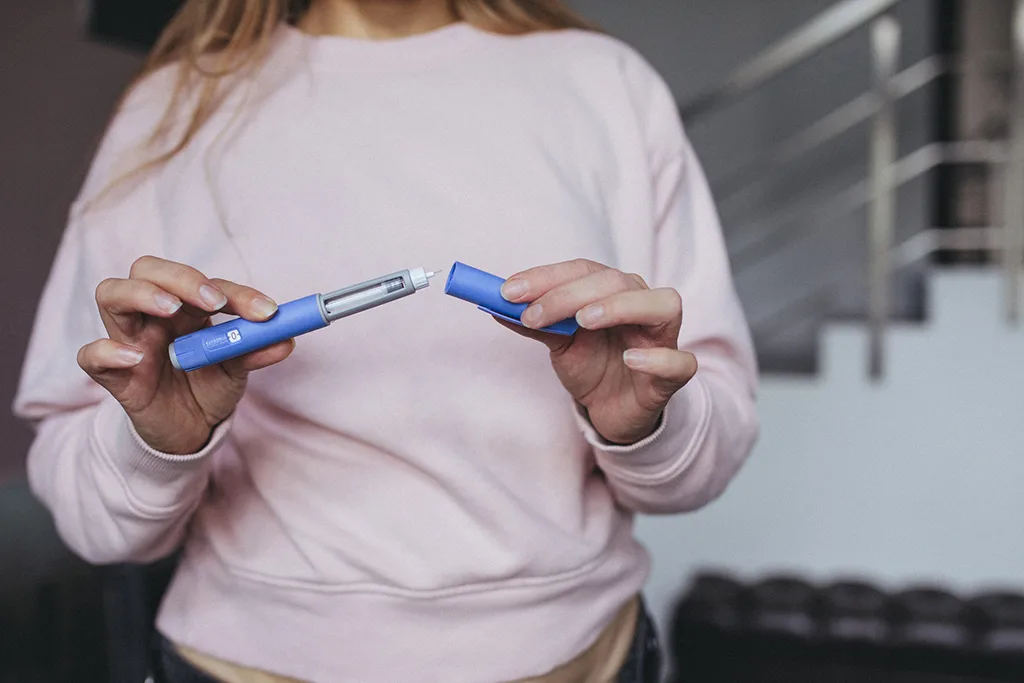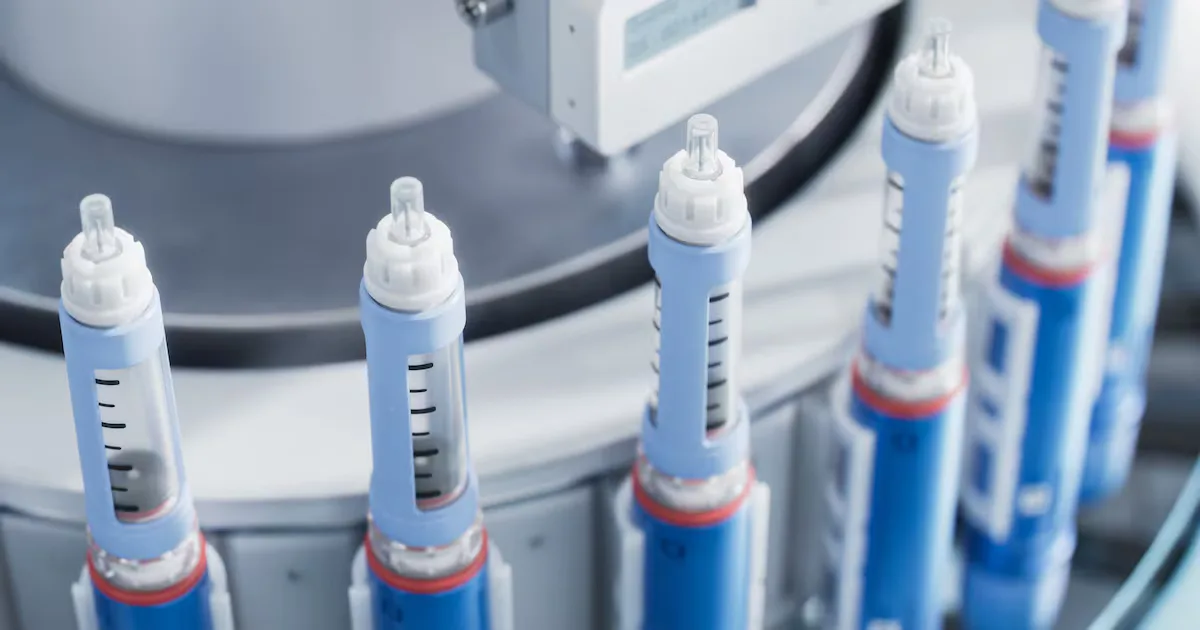

Former GLP-1 users seeking to maintain weight loss represent an underserved market for foods and beverages that promote longer satiety, portion management, and health goals.
GLP-1s: Effective but Not Permanent
GLP-1 medications like Ozempic, Wegovy, and Mounjaro excel at weight loss, but a new study from the University of Oxford's Nuffield Department of Primary Care Health Sciences shows users experience rapid weight regain upon discontinuation.
Published in the peer-reviewed journal The BMJ, the report also notes that metabolic and heart health benefits—such as lowered blood pressure and cholesterol—reverse after stopping the drugs.
Study Details and Findings
The research pooled data from 37 randomized and observational studies involving 9,341 adults treated with weight loss medications, including GLP-1 drugs, for at least eight weeks.
- Researchers tracked weight regain and cardiometabolic changes post-treatment compared to placebo or lifestyle programs.
- Participants gained an average of 0.4 kg (just under a pound) per month after stopping.
- Weight and risk markers for diabetes and heart disease returned to pre-treatment levels within under two years.
This regain rate was nearly four times faster than after behavioral weight management programs.
"The evidence suggests that despite their success in achieving initial weight loss, these drugs alone may not be sufficient for long-term weight control," according to the study's authors.
Implications for Weight Management and Food Innovation
GLP-1s are not a permanent solution, prompting food and beverage companies to innovate for post-drug needs: everyday products supporting satiety and metabolic control on reduced calories.
Precision tracking for your journey
Join thousands using Shotlee to accurately track GLP-1 medications and side effects.
📱 Get the Shotlee App
Track your GLP-1 medications, peptides, and health metrics on the go with our mobile app!
Opportunities include portion-controlled, nutrient-dense formats to encourage smaller servings.
- Average users return to pre-treatment weight by 1.7 years post-discontinuation.
- Cardiometabolic risks revert after 1.4 years.
- Monthly regain was 0.3 kg faster than with behavioral programs, regardless of initial loss.
The study cautions against short-term use and notes about half of GLP-1 users stop within a year, calling for more research on cessation effects.
Expert Insights: Adjunct Role of GLP-1s
Qi Sun, associate professor of medicine at Brigham and Women's Hospital and in Nutrition and Epidemiology at Harvard T.H. Chan School of Public Health, emphasizes short-term benefits but stresses lifestyle foundations.
In an essay on the study, Sun argues GLP-1 agonists should not be a "magic cure" for obesity but adjuncts to healthy diet and lifestyle practices.
"Such practices not only help prevent excess weight gain but can also lead to numerous health benefits that go beyond weight control," Sun wrote.
Sun highlights lower diabetes incidence even with eventual regain in lifestyle interventions versus placebo. He advocates public health measures like taxing sugary beverages, clear labeling, and subsidies for fresh produce to improve diet quality.
Consumers need accessible tools: nutrient-dense products, retail cues for healthy choices, and digital/community supports to extend lifestyle benefits beyond medication.