
The landscape of weight management and type 2 diabetes treatment is constantly evolving, with new innovations aiming to improve efficacy, accessibility, and patient experience. Recently, a novel oral drug named orforglipron has garnered significant attention, demonstrating compelling results in late-stage clinical trials. This once-daily pill, belonging to the glucagon-like peptide-1 (GLP-1) receptor agonist class, is showing potential to not only rival but in some aspects outperform existing oral GLP-1 medications, raising hopes for a new era in accessible weight loss solutions.
Understanding GLP-1 Agonists and Their Impact
To appreciate the significance of orforglipron, it's essential to understand the class of drugs it represents: GLP-1 receptor agonists. These medications mimic the action of a naturally occurring hormone, GLP-1, which plays a crucial role in regulating appetite and metabolism. When we eat, GLP-1 is released, signaling to the brain that we are full, slowing down the digestion of food, and stimulating the pancreas to release insulin. This multi-faceted action makes GLP-1 drugs highly effective in managing type 2 diabetes by improving blood sugar control and also a powerful tool for weight loss.
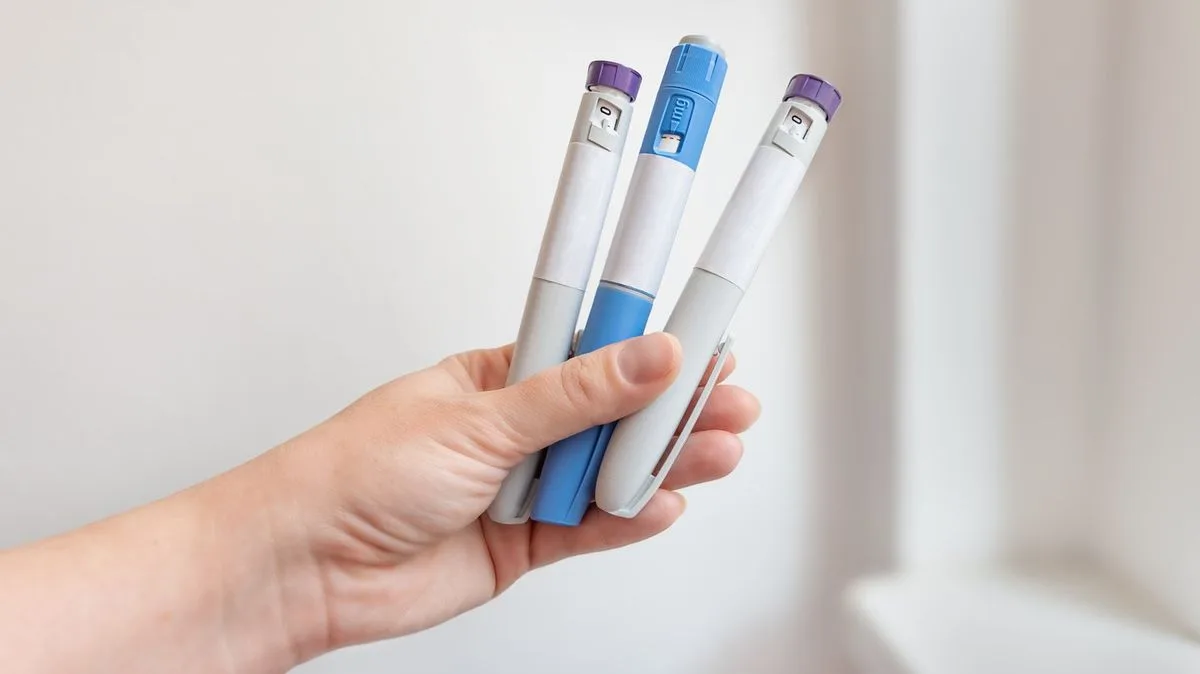
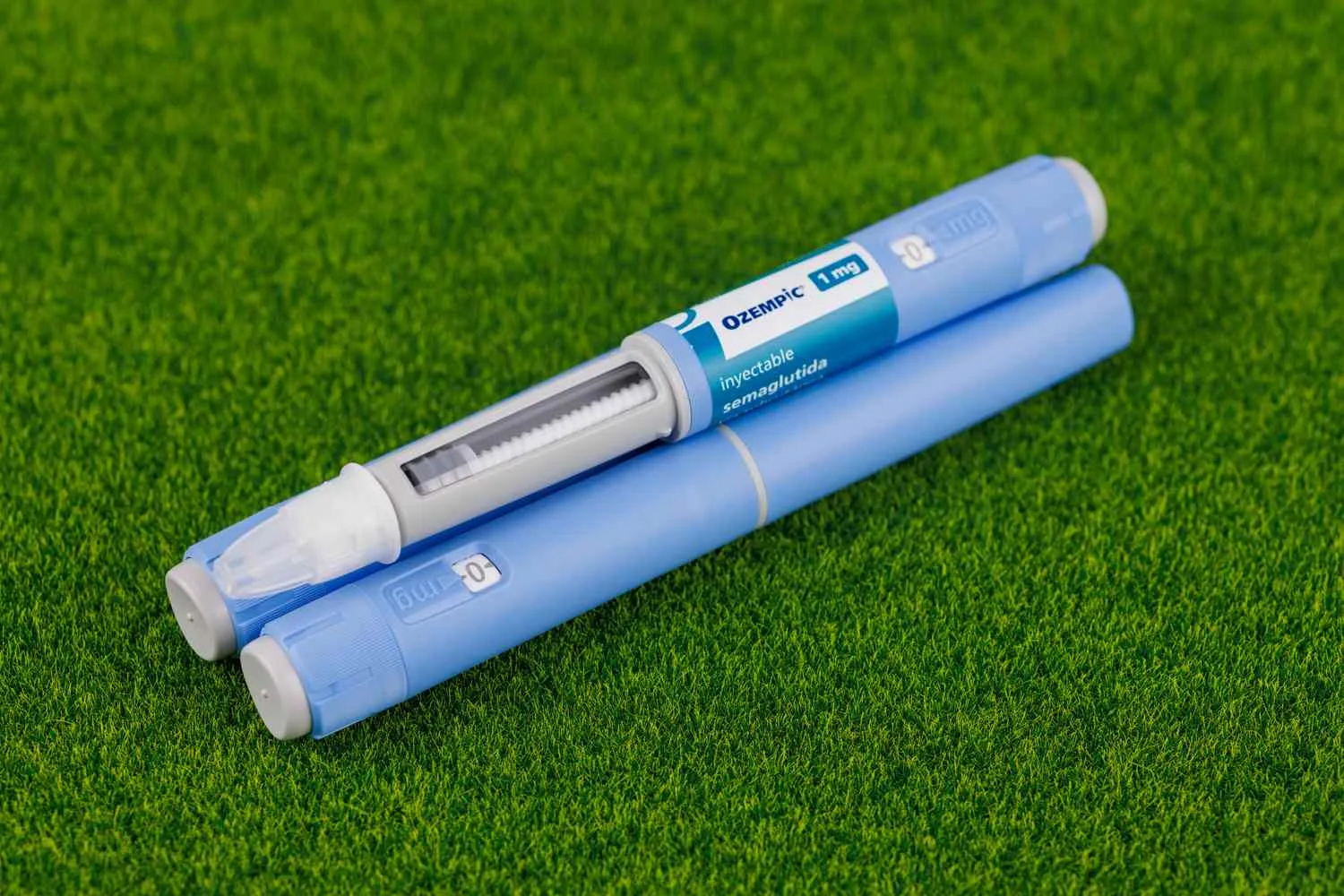
Medications like semaglutide (marketed as Ozempic for diabetes and Wegovy for weight loss) have revolutionized the field over the past few years. Their success has been undeniable, offering significant benefits to millions. However, their primary mode of administration—injection—presents certain challenges.
The Limitations of Injectable GLP-1s
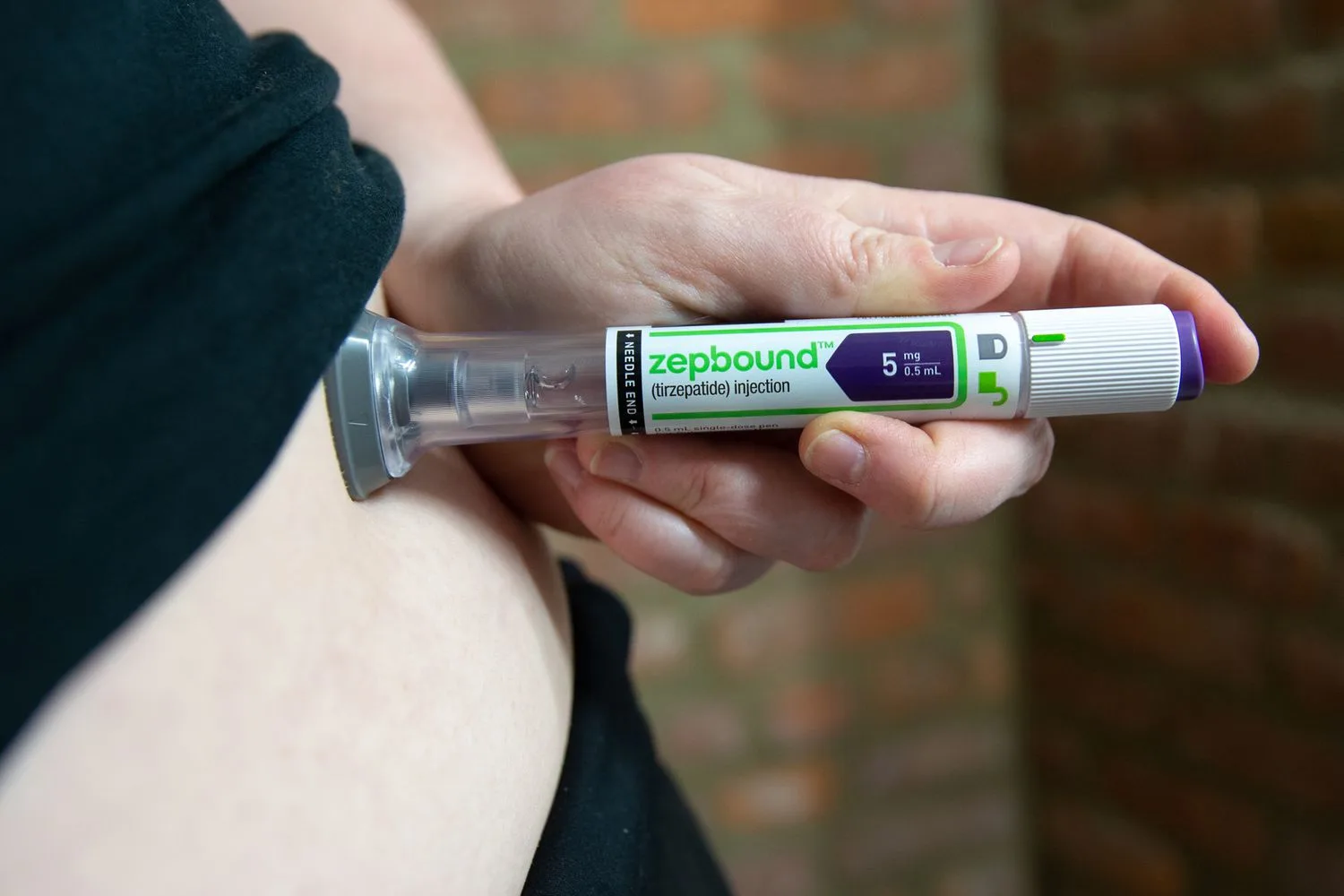
For many individuals, the need for self-injection can be a significant barrier. Fear of needles, discomfort, or simply the preference for a less invasive approach can deter some from accessing these potentially life-changing treatments. Beyond patient preference, there are logistical hurdles. Injectable GLP-1 medications typically require refrigeration, which complicates storage and transportation. This cold chain requirement can limit accessibility, particularly in regions with less developed healthcare infrastructure or unreliable electricity supply.
These limitations have spurred intense research into developing oral alternatives that can offer similar benefits without the need for injections and the associated logistical complexities.
Orforglipron: A New Oral Contender Emerges
Orforglipron represents a significant step forward in the quest for an effective oral GLP-1 therapy. Unlike its peptide-based counterparts, orforglipron is classified as a **small-molecule drug**. This means it's a synthetic chemical compound designed to be absorbed directly through the gastrointestinal tract. This novel approach allows it to interact with GLP-1 receptors in the body, eliciting the desired therapeutic effects.
The development of orforglipron by Eli Lilly has focused on overcoming the challenges associated with earlier oral GLP-1 attempts. While oral semaglutide has shown efficacy, it often requires administration on an empty stomach and a waiting period before eating, and its bioavailability (the amount of drug that enters circulation) is relatively low compared to injectables. Orforglipron appears to address some of these issues, offering a potentially simpler and more efficient oral option.
Clinical Trial Insights: Orforglipron vs. Oral Semaglutide
A pivotal 52-week Phase 3 clinical trial provided crucial data comparing orforglipron with existing oral semaglutide in 1,698 adults diagnosed with type 2 diabetes across six countries. The primary objective was to assess the reduction in HbA1c, a key indicator of long-term blood sugar control. The results were highly encouraging for orforglipron.
Precision tracking for your journey
Join thousands using Shotlee to accurately track GLP-1 medications and side effects.
📱 Get the Shotlee App
Track your GLP-1 medications, peptides, and health metrics on the go with our mobile app!
| Metric | Orforglipron (Average Reduction) | Oral Semaglutide (Average Reduction) |
|---|---|---|
| HbA1c Reduction | 1.71% - 1.91% | 1.47% |
| Weight Loss | 6.1 kg - 8.2 kg | 5.3 kg |
The trial demonstrated that orforglipron not only met the non-inferiority goal (proving it was as effective as oral semaglutide) but also showed superiority in lowering blood sugar levels. Participants taking orforglipron experienced a greater average reduction in HbA1c compared to those on oral semaglutide. Furthermore, the weight loss observed with orforglipron was also more substantial, with patients losing an average of 6.1 kg to 8.2 kg, compared to 5.3 kg in the oral semaglutide group.
Tolerability: A Key Consideration
While the efficacy data for orforglipron is impressive, the trial also highlighted a critical aspect: tolerability. GLP-1 drugs, in general, can cause gastrointestinal side effects such as nausea, vomiting, diarrhea, and constipation. In this study, approximately 59% of participants on orforglipron reported these symptoms, compared to 37-45% in the oral semaglutide group. This higher incidence of side effects led to a higher discontinuation rate, with about 10% of orforglipron participants stopping treatment due to adverse effects, versus 4-5% for oral semaglutide.
The increased side effects may be linked to the more pronounced daily peak drug concentrations experienced with orforglipron. This difference in tolerability is a crucial factor for long-term adherence, which is paramount for sustained health outcomes. While no direct head-to-head trials have been conducted between injectable GLP-1s and orforglipron, the weight loss observed in this study is comparable to what has been seen with injectable formulations.
Manufacturing, Storage, and Accessibility Advantages
The small-molecule nature of orforglipron offers significant advantages beyond its pharmacological profile. Manufacturing small-molecule drugs is generally less complex and more cost-effective than producing peptide-based medications like semaglutide. This could translate into lower production costs, potentially making the final medication more affordable.
Crucially, like oral semaglutide, orforglipron does not require refrigeration. This eliminates the need for a cold chain, simplifying logistics for storage, transport, and distribution. This is a major benefit for expanding access to effective weight management and diabetes treatment, especially in resource-limited settings where maintaining a cold chain can be a significant challenge.
The Future of Weight Loss Treatment
Orforglipron is positioned as a strong contender in the competitive weight loss and diabetes market. Its demonstrated efficacy in blood sugar control and weight loss, coupled with the convenience of an oral daily pill and no refrigeration requirement, makes it a compelling option. However, the higher rate of gastrointestinal side effects and subsequent treatment discontinuation needs careful consideration. For patients, the ideal treatment balances potent efficacy with good tolerability and ease of use. For clinicians, understanding these trade-offs will be key in guiding patient selection.
Eli Lilly is also conducting trials for orforglipron in individuals with obesity but without diabetes, suggesting its potential application beyond type 2 diabetes management. As more data becomes available from ongoing trials and real-world usage, the full impact of orforglipron on the weight loss market will become clearer. For individuals managing their health, especially those using tools like Shotlee to track their progress, medication adherence and symptom management are vital. Understanding the potential benefits and drawbacks of new treatments like orforglipron empowers informed decision-making.
Practical Takeaways
- Orforglipron is a new oral GLP-1 drug showing promising results in blood sugar control and weight loss.
- It demonstrates superior efficacy over oral semaglutide in a recent Phase 3 trial.
- Key advantages include its oral administration and no refrigeration requirement, enhancing accessibility.
- A notable drawback is a higher incidence of gastrointestinal side effects compared to oral semaglutide.
- Orforglipron's small-molecule nature suggests potential for easier manufacturing and lower costs.
Conclusion
Orforglipron represents a significant advancement in the field of weight management and type 2 diabetes treatment. Its oral formulation, coupled with strong efficacy data, offers a convenient and potentially more accessible alternative to current injectable GLP-1 therapies. While the higher rate of gastrointestinal side effects warrants attention, the overall profile of orforglipron suggests it could play a substantial role in shaping the future of metabolic health treatments. As research continues, it will be crucial for both healthcare providers and patients to weigh the benefits of enhanced efficacy and accessibility against the potential for increased side effects to determine the best path forward for individual health goals.