
Introduction to Oral GLP-1 Medications
GLP-1 receptor agonists have transformed metabolic health, offering powerful tools for weight management, type 2 diabetes control, and cardiovascular risk reduction. Drugs like Ozempic (semaglutide), Wegovy (higher-dose semaglutide), Mounjaro (tirzepatide), and Zepbound (tirzepatide for obesity) have dominated headlines—and prescriptions—thanks to average weight losses of 15-22% in clinical trials. But weekly injections deter some patients due to needle phobia, travel inconveniences, or cold-chain storage needs.
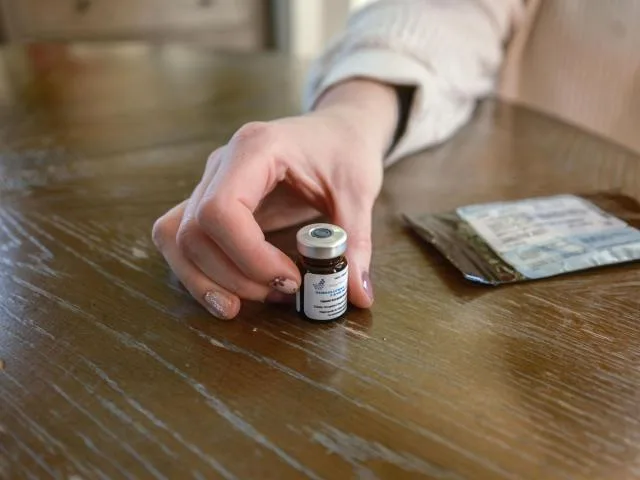
Enter oral GLP-1s: pill forms that mimic these effects without needles. Novo Nordisk's oral Wegovy (semaglutide) gained U.S. FDA approval for weight loss in December, launching swiftly. Eli Lilly's orforglipron, an oral contender, aced phase 3 trials but hit a snag with an extended FDA review to April 10. This brief delay dropped Lilly's shares 4%, but for patients, it underscores a pivotal shift: accessible, effective weight loss therapy is now pill-shaped.
Why Oral GLP-1s Matter for Patients
Subcutaneous injectables excel in bioavailability—nearly 100% absorption—but compliance falters for 20-30% of users citing injection aversion, per real-world studies. Oral versions target "hard-to-reach" patients: travelers, needle-averse individuals, or those with busy lifestyles. They leverage gut hormone mimicry to suppress appetite, slow gastric emptying, and enhance insulin sensitivity, just like injectables.
Key advantages:
- Convenience: Daily pills vs. weekly shots.
- No refrigeration: Easier for on-the-go use.
- Broad appeal: Potential for higher adherence in obesity and diabetes populations.
Challenges include lower bioavailability (requiring higher doses) and gastrointestinal side effects from direct gut exposure.
Novo Nordisk's Oral Wegovy: First to Market
Oral semaglutide, branded Rybelsus for diabetes since 2019, paved the way. Now, oral Wegovy extends this to obesity at higher doses (up to 50mg daily). Approval followed robust data showing ~15% weight loss over 68 weeks in trials like OASIS-1, comparable to injectable Wegovy's 15-17%.
Clinical Efficacy and Safety
In head-to-head trials, oral semaglutide yielded 9-15% reductions in patients with BMI ≥30 or ≥27 with comorbidities. HbA1c drops of 1.5-2% benefit diabetics. Common side effects mirror injectables: nausea (20-40%), vomiting, diarrhea—mostly mild, dose-titrated away.
"First-mover status lets Novo capture early adopters, but efficacy will dictate long-term dominance," notes phase 3 data analysis.
Launched post-approval, it positions Novo to build market share before competitors.
Eli Lilly's Orforglipron: The Strong Challenger
Orforglipron is a non-peptide oral GLP-1 agonist—a first, avoiding peptide degradation issues plaguing semaglutide pills. Lilly filed for approval in December after stellar phase 3 ACHIEVE trials: 14.7% weight loss at 36 weeks (vs. 2.5% placebo) in obesity; similar in diabetes with 1.3-1.5% HbA1c reduction.
Precision tracking for your journey
Join thousands using Shotlee to accurately track GLP-1 medications and side effects.
📱 Get the Shotlee App
Track your GLP-1 medications, peptides, and health metrics on the go with our mobile app!
The FDA Review Extension: What Happened?
Lilly leveraged a priority review voucher for a 1-2 month fast-track, eyeing February approval. The FDA extended to April 10—likely for standard data verification, not safety signals. This gives Novo 3-4 extra months' head start.
Despite the dip, orforglipron shines:
- Superior in diabetes: Better weight loss in insulin-resistant patients.
- Tolerability edge: Lower nausea rates due to optimized pharmacokinetics.
- Pipeline synergy: Complements Zepbound/Mounjaro (GIP/GLP-1 dual agonists, 20-22% weight loss).
Deep Dive: Trial Data Comparison
| Metric | Oral Wegovy (Semaglutide) | Orforglipron |
|---|---|---|
| Weight Loss (%) | 15% (68 weeks) | 14.7% (36 weeks) |
| HbA1c Reduction | 1.5-2% | 1.3-1.5% |
| GI Side Effects | 30-40% nausea | 25-35% nausea |
| Dosing | Daily, 25-50mg | Daily, 36-45mg |
Orforglipron's non-peptide structure may yield once-weekly potential in future iterations.
Injectables vs. Orals: Head-to-Head
Injectables (e.g., Zepbound: 21% loss) edge out orals in peak efficacy but lag in adherence. A 2024 meta-analysis in The Lancet found oral semaglutide non-inferior for sustained loss when compliance is high. For patients:
- Choose orals for needle fears or travel.
- Stick to injectables for maximum potency.
Side Effect Management: All GLP-1s risk nausea, constipation, gallbladder issues (1-2%). Hydrate, eat small meals, titrate slowly. Monitor with apps like Shotlee to track symptoms, side effects, and nutrition alongside therapy.
Lifestyle Integration and Long-Term Success
GLP-1s amplify—not replace—habits. Combine with 150min/week exercise, protein-rich diets (1.6g/kg body weight), and sleep optimization for 5-10% extra loss. Cardiovascular benefits (20-25% event reduction, SELECT trial) make them ideal for high-risk patients.
Tools like Shotlee help log progress, ensuring adherence amid the oral GLP-1 boom.
Conclusion: A Buy for Patients and Investors Alike
The orforglipron delay is a minor hurdle in a booming market projected at $100B+ by 2030. Oral Wegovy leads now, but orforglipron's data promises competition, benefiting patients with choices. Consult providers for personalized fits—efficacy, safety, and convenience will drive adherence. Stay informed: metabolic health is evolving fast.