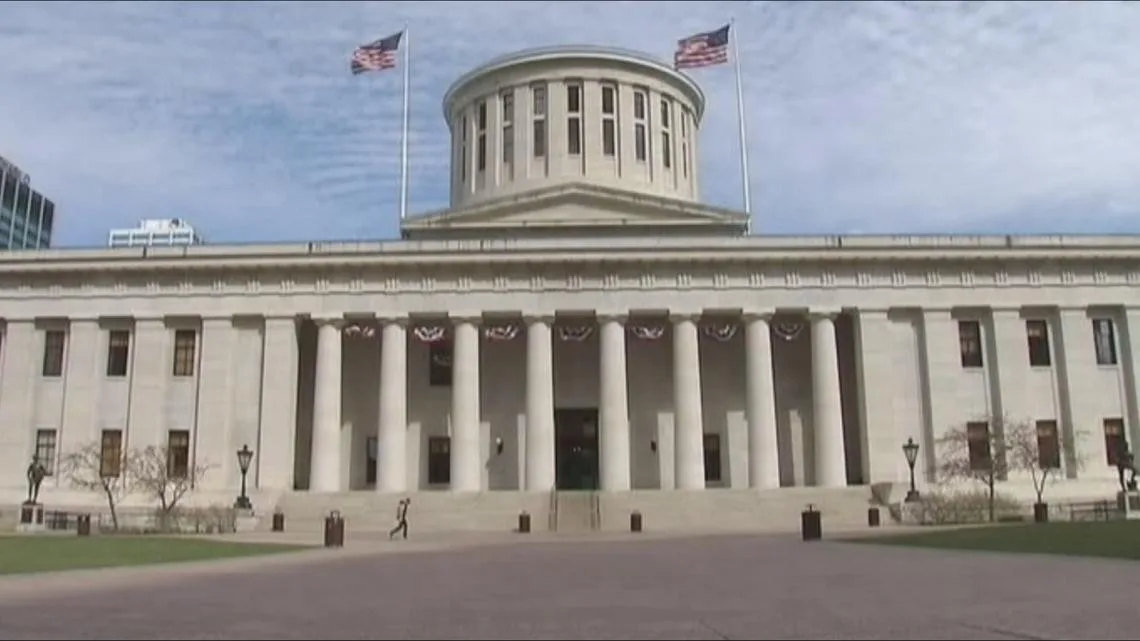

In Ohio, USA, a state lawmaker is progressing with a proposal to bring back availability of popular GLP-1 weight-management drugs for public sector workers, after the administration discontinued support at the start of 2025, pointing to steep expenses.
Details of House Bill 388
House Bill 388, backed by Majority Whip Representative Josh Williams (R-Sylvania Township), permits government staff to get refunds for acquiring GLP-1 treatments straight from producers. Williams noted this strategy could slash expenses by over two-thirds while upholding availability to vital medical therapies.
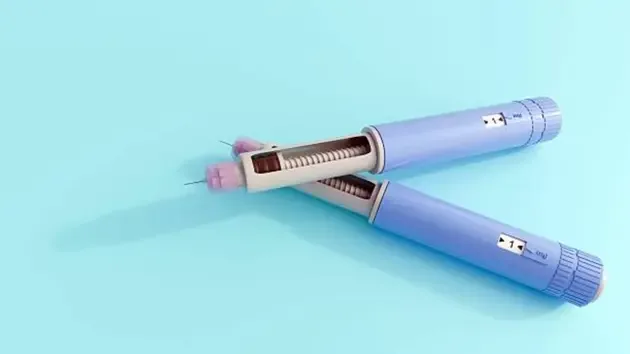
GLP-1 medications, encompassing options like Ozempic and Wegovy, were initially formulated for diabetes management but have secured FDA endorsement lately for weight reduction.
These treatments were once included in Ohio's public employee health programs until the Ohio Department of Administrative Services (DAS) halted support amid fiscal choices.
Critiques of Past Decisions
'During that period, no other options were explored,' Williams explained. 'The action was merely to discontinue support, despite these drugs aiding individuals in controlling their well-being and lowering future medical expenses.' Health tracking apps like Shotlee can assist in overseeing progress and curbing enduring healthcare outlays.
Previously, the state incurred $1,100 to $1,600 monthly per user. Williams attributed the elevated prices partly to pharmacy benefit managers (PBMs), which secured producer discounts not shared with the government.
Proposed Changes
House Bill 388 introduces an alternative method. Eligible staff would buy GLP-1 drugs directly from makers and obtain a monthly refund of up to $500 in the initial year, then $250 monthly afterward.
Williams stated this framework sidesteps PBMs and taps into reduced direct-from-producer pricing.
Precision tracking for your journey
Join thousands using Shotlee to accurately track GLP-1 medications and side effects.
📱 Get the Shotlee App
Track your GLP-1 medications, peptides, and health metrics on the go with our mobile app!
Qualification for the plan relies on FDA guidelines and body mass index limits, featuring a legacy provision for workers who started medication as far back as 2023. The legislation also outlines a gradual withdrawal strategy for patients, allowing re-enrollment if substantial weight regain happens.
Williams argued that sustained availability to GLP-1 drugs could avert increased medical expenses tied to obesity and linked ailments. He further condemned the existing DAS-run initiative, which offers partial refunds but demands involvement in a strict oversight framework.
'I hold that doctors, rather than governmental initiatives, ought to guide medical choices,' Williams remarked. 'When a physician deems this therapy essential, the state must back it affordably.'
Ongoing Amendments
The proposal is undergoing revisions as legislators collaborate with DAS and pharmaceutical firms to polish qualification criteria and monitoring protocols. Williams indicated a primary aim is to embed protections in state statutes to shield against abrupt benefit cuts by future leaders.
Conversations continue on potentially incorporating age limits, such as excluding youth from GLP-1 prescriptions via public worker health schemes.
Williams anticipates adjustments during the bill's progression but remains optimistic it will conserve funds for the state while delivering security to workers dependent on these treatments.
'Even with the most extensive form of this initiative,' Williams stated, 'Ohio will allocate significantly less than previously, guaranteeing individuals avoid abrupt loss of their healthcare.'