Nutritionist's Advice for Realigning Your Digestive System After Traveling
While traveling across time zones can be exciting, it may also negatively impact your digestive health. Whether you are a frequent traveler or only travel occasionally, disruptions to your gut's natural rhythm can cause uncomfortable symptoms like bloating, indigestion, and other stomach problems.
Nutritionist Loveneet Batra explains how travel affects your body's 24-hour circadian rhythm. In an Instagram post, she notes that, like your brain, your gut adheres to a 24-hour circadian rhythm. This rhythm relies on consistent meal times, sleep patterns, and light exposure to effectively regulate digestion, metabolism, inflammation, and energy levels. When travel or jet lag disrupts this rhythm, your gut microbes also shift their schedule, leading to digestive issues.
What Happens to Your Gut When You Travel?
Inconsistent meal timings can confuse gut bacteria, diminishing beneficial signals like short-chain fatty acids, which are essential for supporting digestion and metabolism. Here's how travel can impact your digestive system:
- Hunger and fullness hormones become imbalanced
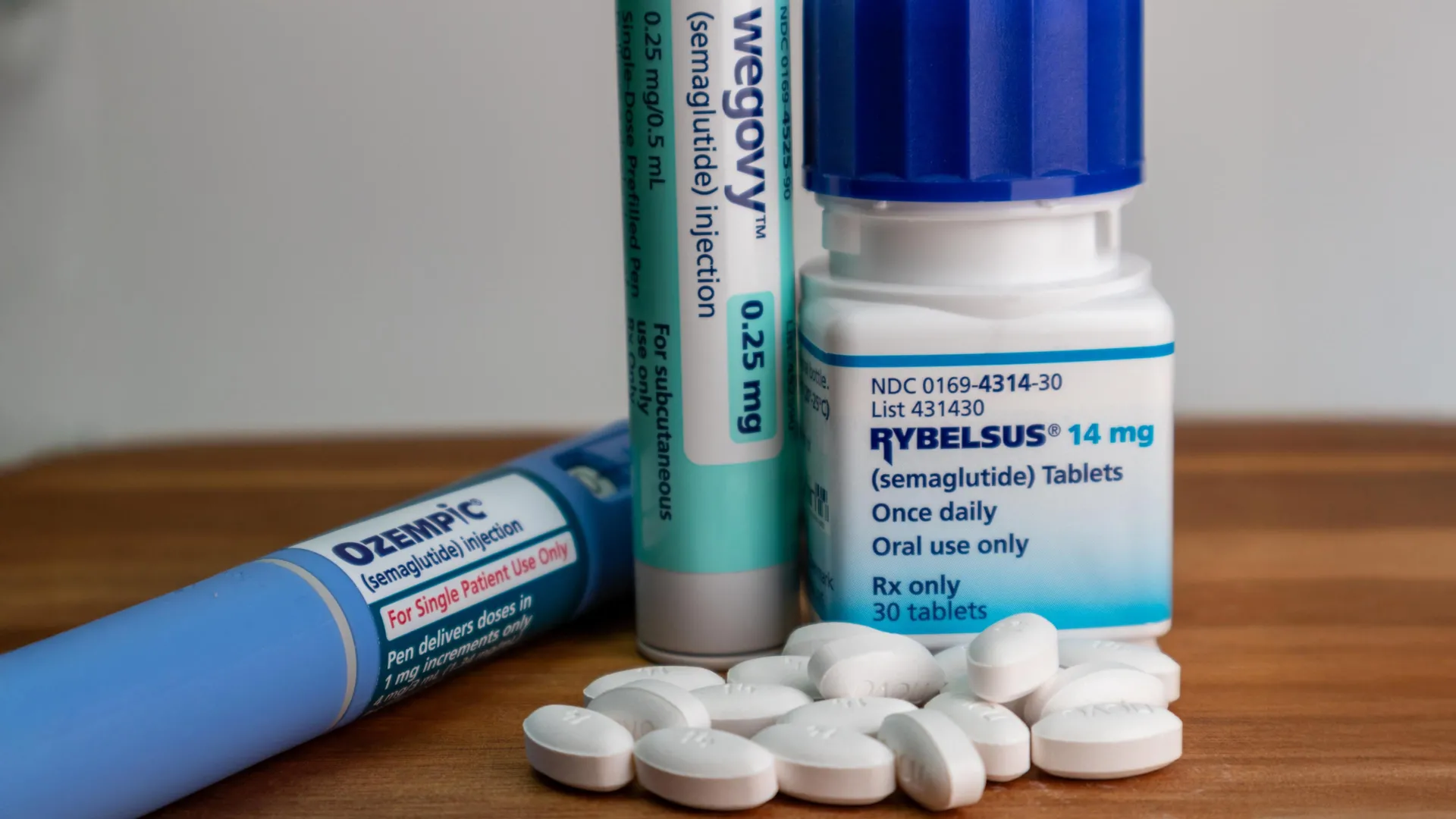
- GLP-1 (satiety hormone) levels decrease
- Ghrelin (hunger hormone) levels increase
- Cravings intensify, and appetite becomes unpredictable
- The body tends to store more calories as fat, even with consistent food intake
- Gut repair processes slow down, potentially leading to bloating, acidity, inflammation, and fatigue
How To Restore Your Gut After Traveling
1. Maintain a Consistent Eating Schedule
To reset your gut after traveling, aim to eat all your meals within a 10-12 hour window during the daytime to align with your body's internal clock. Focus on consuming fiber-rich whole foods, such as vegetables, fruits, and legumes. Incorporate lean proteins and fermented foods like yogurt and kimchi into your diet. Limit your intake of processed foods, sugar, and alcohol, while staying hydrated and active with regular walks. Health tracking apps like Shotlee can help monitor your dietary habits and identify potential triggers.
2. Avoid Late-Night Snacking
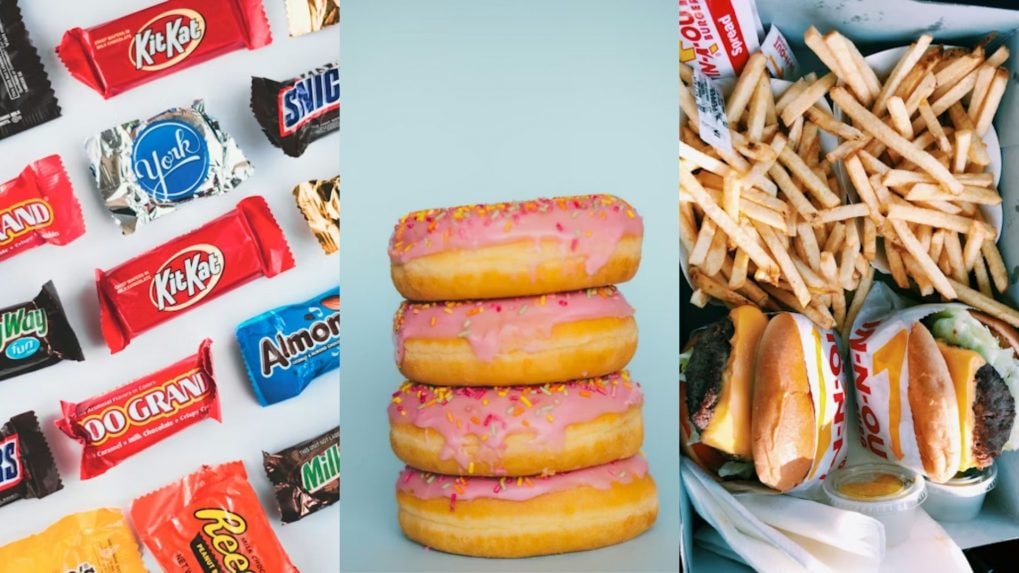
It's best to avoid overly salty, greasy, sugary, and heavily processed foods, as they can increase bloating and disrupt the balance in your gut. Eat at a slower pace and ensure you chew your food thoroughly to help digestion and prevent overeating.