Loading.
Preparing your Shotlee experience

A recent study indicates a possible connection between GLP-1 drugs and a reduced risk of epilepsy in individuals with type 2 diabetes. The research, published in Neurology, provides preliminary evidence of neurological advantages from these medications. Larger trials are necessary to confirm these findings.
A recent research study suggests a possible correlation between GLP-1 drugs and their capacity to lower the risk of epilepsy in individuals with type 2 diabetes. GLP-1 drugs, such as semaglutide, emulate the function of the glucagon-like peptide-1 (GLP-1) hormone. Ozempic, a brand name for semaglutide, is an injectable medication administered weekly, approved for adults in India with uncontrolled type 2 diabetes, when combined with diet and exercise. GLP-1 receptor agonists aid in managing blood sugar levels, appetite, and digestion.
The research appeared in Neurology, the journal of the American Academy of Neurology, presenting initial evidence of the neurological advantages offered by these medications. The findings indicate a correlation, but more extensive, randomized controlled trials are needed to ascertain whether GLP-1 drugs genuinely offer protection against epilepsy. Health tracking apps like Shotlee can help monitor blood sugar levels, which might be relevant for individuals managing diabetes and epilepsy risk.
According to Edy Kornelius, MD, PhD, study author from Chung Shan Medical University in Taichung, Taiwan, further randomized, controlled trials following individuals over time are necessary to validate these results. He notes that these findings are promising, considering people with diabetes face an elevated risk of developing epilepsy later in life. Epilepsy can lead to various physical, psychological, and social consequences, and many individuals do not respond to existing medications; therefore, identifying methods to mitigate this risk is crucial.
Researchers utilized a U.S. health database for the study, analyzing adults newly diagnosed with type 2 diabetes who initiated treatment with either GLP-1 receptor agonists (GLP-1 RAs) or dipeptidyl peptidase-4 inhibitors (DPP-4 inhibitors). None of the participants had a previous diagnosis of epilepsy or seizures. The GLP-1 medications included dulaglutide, liraglutide, and semaglutide.
The research team monitored 452,766 individuals, with an average age of 61 years. Half of the participants (226,383) were administered GLP-1 drugs, including dulaglutide, liraglutide, or semaglutide. The remaining half received DPP-4 inhibitors. The participants were tracked for a minimum of five years, with new epilepsy diagnoses being recorded. The data revealed 1,670 epilepsy cases (2.35%) among GLP-1 users, compared to 1,886 cases (2.41%) in the DPP-4 group, representing a modest but significant difference. The adjusted results indicated a slight decrease in epilepsy risk.
Researchers accounted for confounders such as age, hypertension, cardiovascular disease, and other comorbidities. The refined results revealed that GLP-1 users had a 16% lower risk of developing epilepsy compared to DPP-4 users.
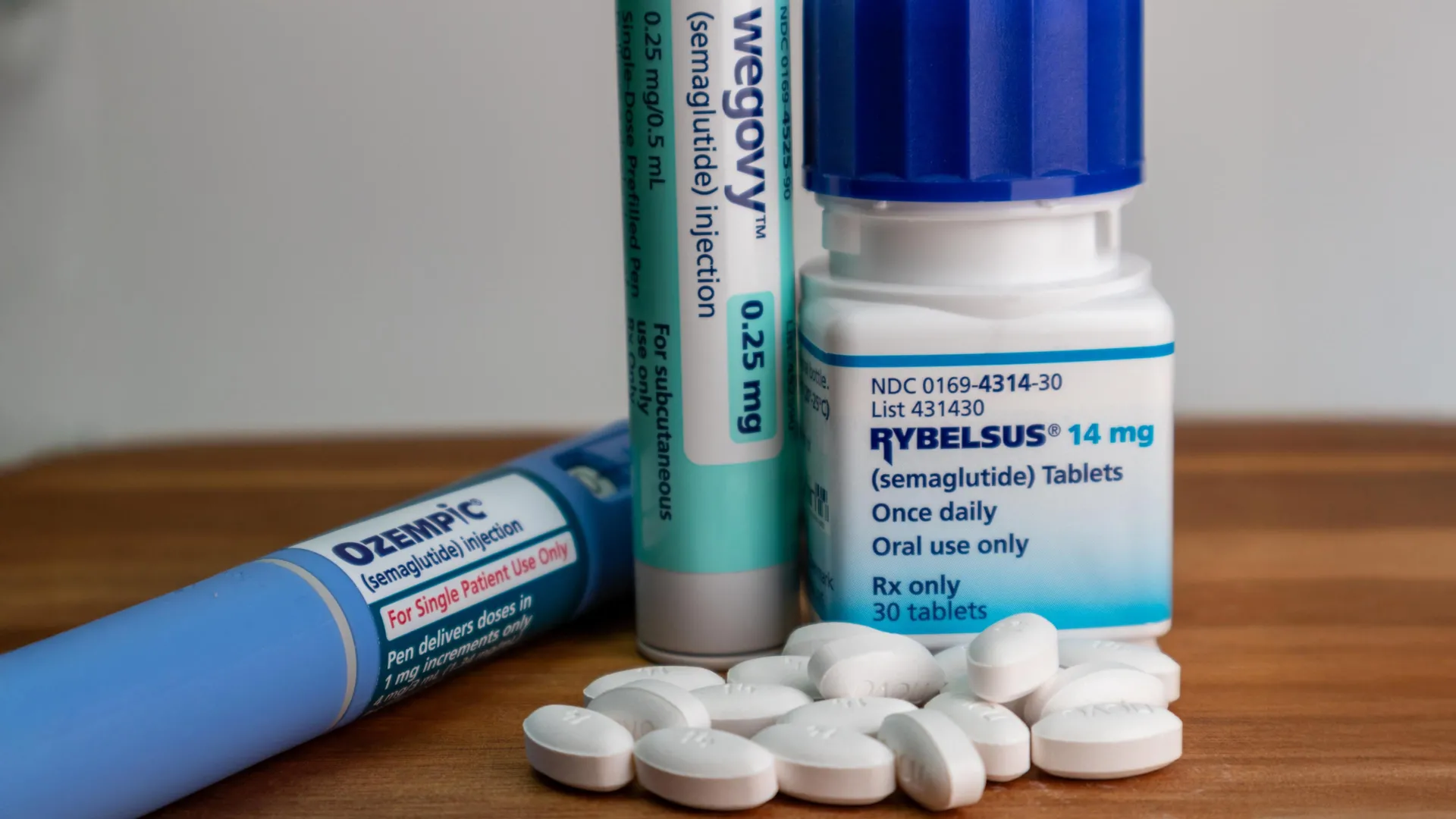
Analyzing the data by drug, semaglutide exhibited the strongest protective effect. Dulaglutide and liraglutide also displayed positive trends, although less pronounced.
Kornelius stated that further research is needed, but these results support the hypothesis that GLP-1 drugs may provide neurological benefits beyond blood sugar control. He clarified that these findings do not suggest DPP-4 inhibitors are harmful or that GLP-1 drugs definitively benefit brain health.
GLP-1 drugs function by mimicking the gut hormone glucagon-like peptide-1, which enhances insulin release, slows digestion, and reduces appetite. Their increasing popularity, driven by weight-loss brands such as Ozempic (semaglutide) and Wegovy, has sparked interest in other potential benefits, including neuroprotective effects observed in animal models for conditions such as Parkinson's and Alzheimer's.
The study has limitations. Its retrospective, observational design prevents ruling out unmeasured biases. Newer drugs, such as tirzepatide (a GLP-1/GIP dual agonist marketed as Mounjaro or Zepbound), were not included because they were launched after the study period, and the results do not apply to them.
Other factors, such as missing data on epilepsy risk factors, family history, genetics, alcohol consumption, or sleep disorders, also influence the interpretation of the findings.
Despite these limitations, the large sample size and rigorous adjustments enhance the study's credibility. Epilepsy affects over 50 million people worldwide, with diabetes being a known risk factor due to shared pathways such as inflammation and vascular damage.
⚠️ Disclaimer: This article is for informational purposes only. Consult your healthcare provider before starting any medication or supplement.
Original content from NDTV
View Original Article
New data indicates that the State spent almost €2.63 million on the diabetes medication Ozempic in the Shannonside area from January to August of this year. Longford and Westmeath had the highest expenses, totaling about €1.4 million.

Recent research highlights a growing trend of British men turning to weight loss injections. Data indicates a significant shift in usage, with men increasingly adopting these treatments.
Stephen Nolan, a BBC Radio Ulster and Radio 5 Live presenter, has openly discussed his struggles with weight for many years. Recently, he shared that he's using weight loss injections in addition to diet and exercise. Nolan has already lost a significant amount of weight.
Monitor GLP-1 medications, peptide therapy, weight loss, and wellness metrics with our comprehensive health tracking app. Join thousands of users taking control of their health!
Start Tracking Free Forever! ✨