
My GLP-1 Journey to Save My Life: Unexpected Reactions From Friends
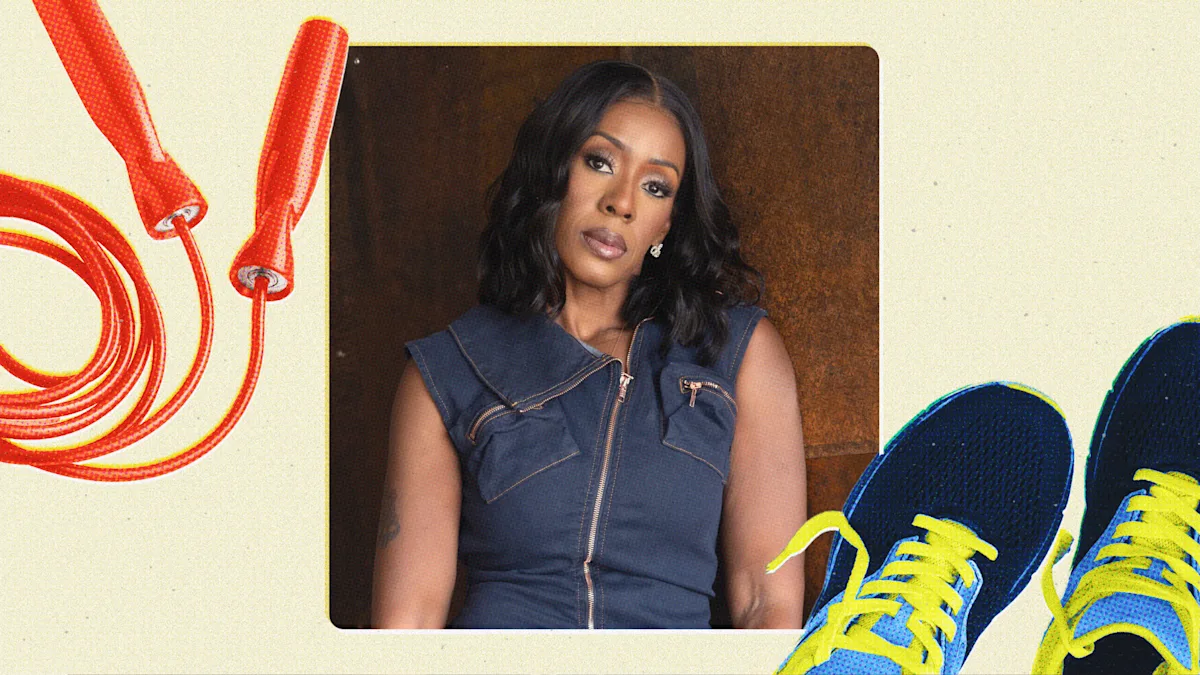
For ShantaQuilette Carter-Williams, beginning a GLP-1 regimen wasn't optional. As she told Yahoo, her doctor issued an ultimatum in 2023: lose weight or face a significantly shortened lifespan, potentially within five years. Having already survived a heart attack and stroke in her early 40s, and with a diagnosis of type 2 diabetes, Carter-Williams was prescribed Ozempic. Initially, she only anticipated the drug's impact on her insulin levels.
However, two years later, having lost 160 pounds, the medication has ushered in a new phase of life. Carter-Williams states, "I became more conscious of how I eat and how I respect my body, and of actually being an active participant in my rescue." This transformation includes a career shift; the former accountant is now a speaker, content creator, health advocate, and comedian. She weaned herself off Mounjaro in February 2025, under medical supervision. While research indicates that approximately two-thirds of GLP-1 users regain most of their lost weight within a year, Carter-Williams has maintained her weight loss and improved health, attributing it to new habits and a commitment to preventing another stroke or heart attack.
Carter-Williams acknowledges the potential need to resume medication in the future. "If I need to go back on the medication, I will," she says. "I hope that I don't have to do that, but I'm not embarrassed to if it's necessary."
Carter-Williams shares her journey, highlighting how GLP-1 treatment helped her transform her health and realize that "to truly love yourself is to take care of yourself inside and out."
A Day in the Life
Rise and Shine
Waking up between 5 and 7 a.m., Carter-Williams feels rejuvenated. She begins each day by prioritizing herself. As a woman in perimenopause, she notes that recovery after a long day isn't what it once was. However, she emphasizes the contrast to her previous state, when she was 160 pounds heavier and grappling with health challenges. She can't imagine facing current perimenopause symptoms with the weight and health issues she had five years prior.
While now a morning person, she avoids rushing upon waking. She allows her nervous system to regulate itself. Her day starts with affirmations and laughter, which she believes reduces stress hormones and boosts dopamine. This is a stark contrast to her past, marked by aches, grogginess, excess weight, fatigue, and general discomfort. She used to remain in bed until late morning, a reflection of her body's limitations.
First Bites
Before GLP-1 treatment, her breakfast choices were less structured. Leftover fried chicken or whatever was available in the fridge was fair game. There was no concept of a traditional breakfast. If she desired boudin from New Orleans, she would indulge.
Now, she typically starts her day with a protein drink or juices made by her daughter. She emphasizes the support she receives from her daughter and husband. She often goes to her office with a protein drink and lemon water, followed by her husband bringing eggs and potatoes to ensure she eats a balanced meal.
Getting Ready
Carter-Williams emphasizes the importance of dressing in a way that promotes self-esteem. She views self-love as paramount. She states that she has always seen herself in a positive light when looking in the mirror. Getting ready is not a luxury but a necessity for feeling good and experiencing joy. It's about freedom. However, she acknowledges a period of depression and self-neglect following her stroke.
Since starting GLP-1 medication, she feels a renewed sense of well-being, accompanied by a distinct glow. This, she believes, stems from her mindset and the knowledge that she is improving. She transitioned from a size 22 to a size 4. Initially, she struggled to adjust to her new size, unsure of her correct fit. She held onto her old clothes, fearing weight regain. However, she reframed her thinking, choosing to focus on forward progress. Now, she feels confident wearing the clothes she desires.
During Fashion Week, she reflected on her past frustrations with limited size options, while acknowledging her continued advocacy for inclusivity. While the girl she was will always be a part of her, it feels good to know that she can now purchase items directly from the runway.
Precision tracking for your journey
Join thousands using Shotlee to accurately track GLP-1 medications and side effects.
📱 Get the Shotlee App
Track your GLP-1 medications, peptides, and health metrics on the go with our mobile app!
Make a Move
Currently, she enjoys Pilates, her walking pad, and calisthenics. However, due to her heart condition and age, her exercise options are somewhat limited. She used to enjoy lifting heavy weights, but her stroke and other health issues prevent her from doing so.
Several times a week, she begins her day with a walk outside. She also uses a weighted hula hoop. She emphasizes the importance of at least three 45-minute exercise sessions per week, particularly to combat osteoporosis. Exercise, like getting ready, is a necessity, not a luxury. Health tracking apps like Shotlee can help monitor activity levels and progress.
Let's Do Lunch
Previously, her lunch choices included fast food options like Popeyes and Williams Chicken. Now, while not overly restrictive, she avoids unhealthy foods and limits her sugar intake to 25 milligrams daily, while also monitoring her sodium levels.
She now prioritizes fruits and vegetables, enjoying them in healthier preparations. She often opts for a sandwich or salad for lunch. She enjoys cucumber and pineapple with low-sodium Tajin, or a tomato and cucumber salad.
Dose Time
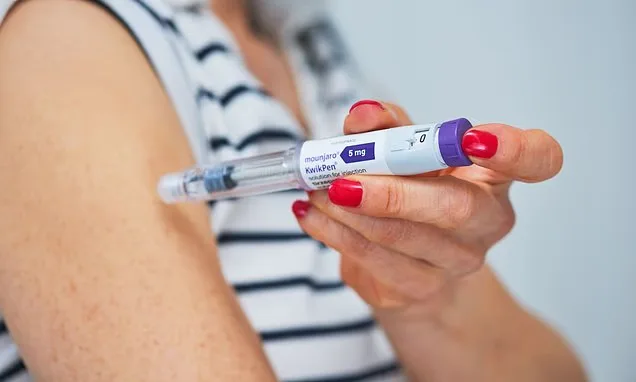
She discontinued Mounjaro in February 2025 because she was continuing to lose weight, even on a lower maintenance dose and with extended intervals between doses. She felt she was becoming too thin. When taking a GLP-1, she didn't dwell on it. She would administer the shot weekly, either on Tuesdays or Thursdays, with varying times of day.
Happy Hour
She stopped drinking alcohol long before starting GLP-1 treatment, as a general health measure. When she began losing weight, she encouraged friends to consider GLP-1 medications. Initially, many were hesitant, citing concerns about potential side effects. She countered that she was already on a path toward poor health without intervention. She found encouragement sharing her story online, inspiring others to take control of their health. However, she also experienced feelings of hurt and misunderstanding. While no one had previously commented on her weight gain, people were quick to express concern about her weight loss. She questioned why they wouldn't similarly discourage her from neglecting her heart condition or pancreas.
She also resolved to pursue new experiences. In 2023, she attended a retreat in Costa Rica, where she rappelled down a 300-foot cliff, went white-water rafting, and ziplining. These were activities she previously lacked the strength or courage to attempt. She is grateful for these experiences. She realized that her purpose is not defined by what she does, but by who she does it for. She wants to live, improve, and be present for her grandchildren. She shares her story to inspire others to transform their lives.
Dinner Bell
In her family, food represents fellowship. While food has always been a source of joy, she had reached a point where she couldn't control her eating habits or weight. GLP-1 medication suppresses her appetite, allowing her to enjoy food in moderation.
Now, she, her husband, and daughter are mindful of eating enjoyable foods in a healthier way. For example, they substitute ground turkey for beef in spaghetti and ground chicken in stuffed bell peppers. Her daughter prepares dishes like hot honey lemon salmon with broccoli, zucchini, and cilantro lime brown rice. She also makes smaller portions of fried and baked chicken for her. Her daughter excels at meal prepping and making juices. Her husband supports her efforts, despite his sweet tooth. Everyone in her life is involved in the process. She recognizes how her choices impact her family, who want her to be healthy and present. They keep her accountable and actively participate in her journey.
Let's Get the Bill
Prior to Ozempic, her doctor attempted to prescribe Wegovy or Saxenda, which would have cost $1,600 per month. She felt priced out of saving her own life. She laments the lack of affordable healthcare, where medications like Ozempic should be readily accessible. When she was diagnosed with type 2 diabetes, she was able to obtain Ozempic, and later Mounjaro, for $25 per month. She expresses sadness that financial constraints prevent many people from accessing these necessary medications.
She acknowledges that fast food is often cheaper than healthy options like those at Whole Foods. However, she emphasizes the importance of prioritizing health and budgeting accordingly. She advocates for simple, affordable healthy choices, such as basic salads with homemade dressings.