
My Instagram feed's algorithm has concluded that I'm a woman, which apparently means I must desire to drop pounds.
For 2025, this translated to an inescapable assault of charming promotional efforts urging me to eliminate those stubborn extra pounds through medications, particularly unapproved GLP-1 formulations.
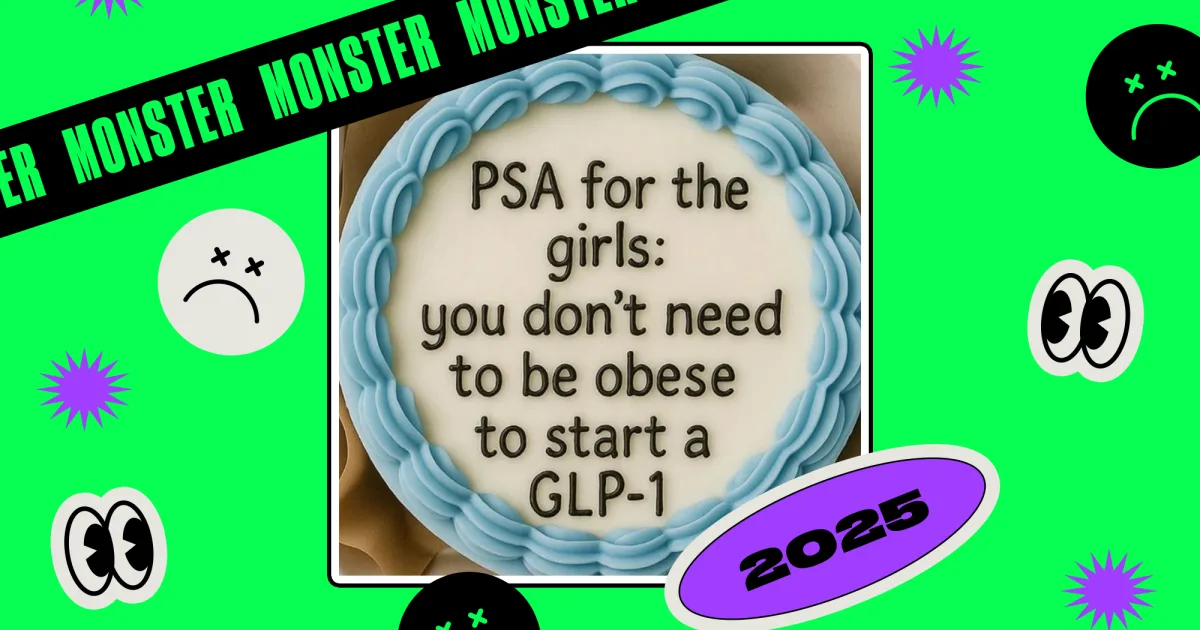
One advertisement tempts me with "baggier pants." Another condescends via a pastry: "Public service announcement for the ladies," scrawled on poorly edited icing. "Obesity isn't required to begin GLP-1 treatment."
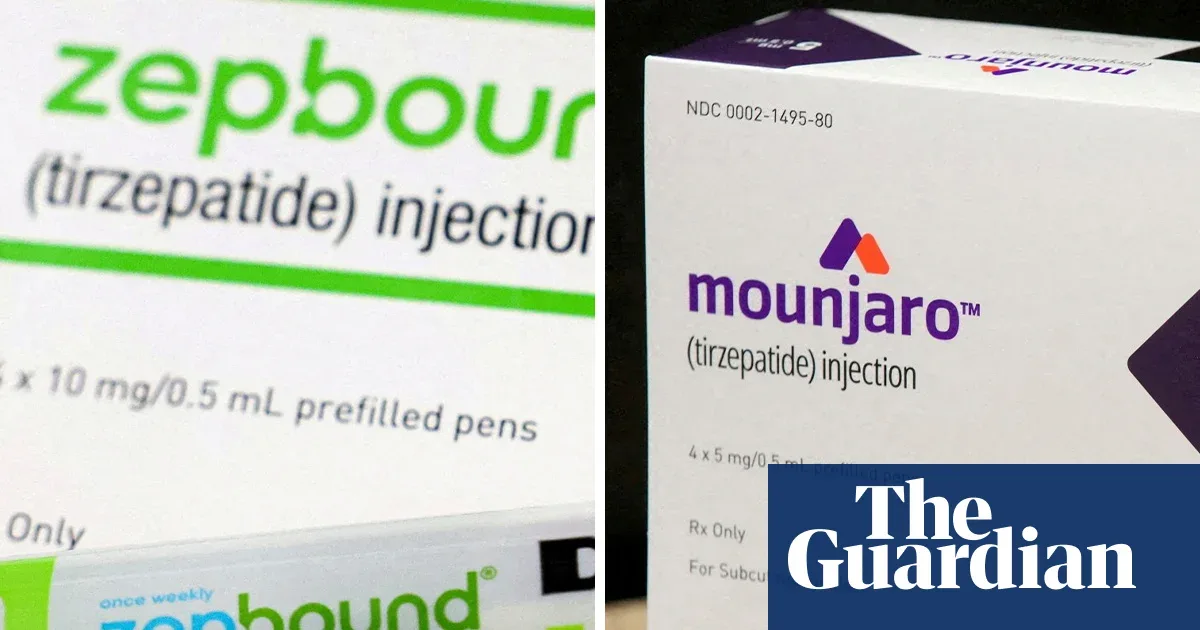
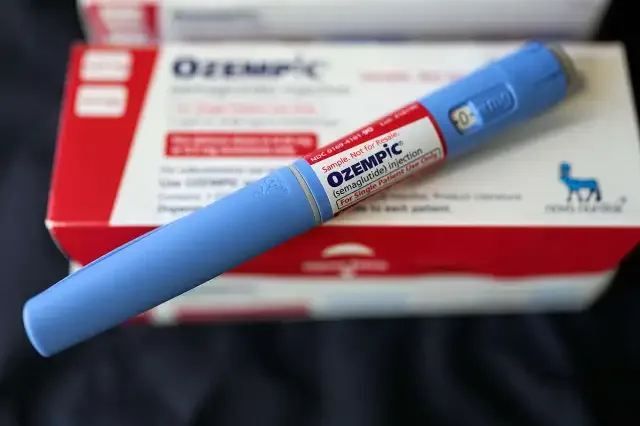
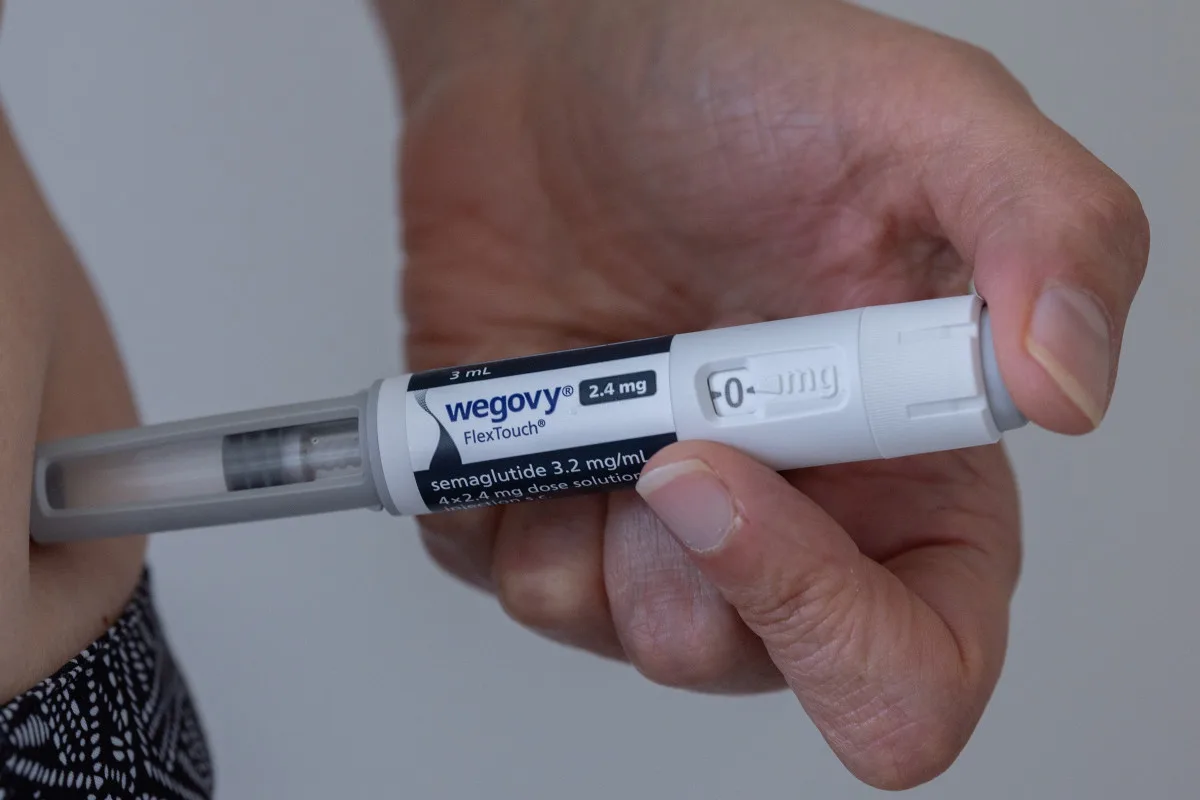
In reality, however, it is required—at least per the U.S. Food and Drug Administration, which permits GLP-1 medications solely for individuals with diagnosed obesity, Type 2 diabetes, or those overweight with related health issues. Manufacturers of branded GLP-1 options such as Ozempic, Zepbound, and Wegovy have not extensively studied them on subjects with BMI below 27.
The paid promotions flooding my timeline, from telehealth providers including Willow, Noom, Fridays, EllieMD, and Midi Health, technically endorse a different item: pharmacist-compounded GLP-1 shots and pills. These lack FDA endorsement; they're tailored by chemists and typically contain reduced semaglutide amounts—the key component in Ozempic—mixed with additives. For instance, EllieMD provides a "longevity microdose" incorporating B12.
The FDA has issued a firm statement on this matter. "Compounded medications are appropriate only for patients whose requirements aren't addressed by approved FDA drugs," according to an FDA alert discouraging unapproved GLP-1 use for slimming.
Yet, the advertisements I've encountered primarily emphasize aesthetic transformations, not enhanced wellness. Certain ones highlight rapid shedding of a few pounds ahead of significant occasions, such as a marriage ceremony. Securing a prescription still involves consulting a physician, who evaluates your background and requirements. Willow's site openly declares the objective: "Effective medication for swift cosmetic reductions in size."
Willow, Noom, Fridays, and EllieMD declined to provide statements. Midi Health informed me they adopt a medical-centric, doctor-guided strategy for GLP-1 prescriptions. "Our physicians recommend these treatments due to evident clinical advantages and within a holistic plan for female wellness. GLP-1s are FDA-cleared for conditions beyond weight issues, like diabetes, sleep apnea, and sustained weight control...We understand BMI as a flawed metric meant for studies, not personalized treatment," Midi Health remarked.
To be equitable, the intense promotional efforts aren't confined to off-label substances. Back in 2023, following Ozempic's rise to fame, over 4,000 semaglutide marketing initiatives inundated online spaces. That year saw billboard promotions for "a weekly injection to slim down" dominating New York City's transit systems. Ro, the entity behind those efforts, now features video spots starring Serena Williams. It felt disheartening to have my television viewing disrupted by an intimate shot of the formidable athlete administering a substance that might lead to muscle depletion and exhaustion.
Precision tracking for your journey
Join thousands using Shotlee to accurately track GLP-1 medications and side effects.
📱 Get the Shotlee App
Track your GLP-1 medications, peptides, and health metrics on the go with our mobile app!
These promotions are revolting as they presume weight reduction as a universal aspiration; the only query is the extent—5, 10, or 50 pounds. But I have no interest in shedding weight. I've dedicated over half my existence to suppressing the impulse to diet—and escape the ingrained notion that slimmer equates to superior or more appealing. It's been years since I limited intake or engaged in post-meal elimination, behaviors I adopted before adolescence. Nevertheless, I occasionally slip. I'll reinstall MyFitnessPal or devote my limited focus to computing calorie counts, tallying the harm from a spoonful of olive oil or a dash of milk in my coffee.
This history of disordered eating likely positions me as prime for targeted GLP-1 advertisements. It's probable my gaze pauses unconsciously upon encountering them. If so, the system has surely detected this and interpreted it as encouragement for more—ignoring my repeated "not interested" taps.
To investigate for this article, I tested my qualification for the microdosed GLP-1 advertised to me. I completed online assessments from Noom and Hers, fabricating my history of eating disorders by selecting an option.
Hers—a women's telehealth firm established in 2018 with an emphasis on sexual health and skin care, now renowned for dispensing slimming drugs—cautioned that my potential prescription wouldn't undergo FDA scrutiny for safety, efficacy, or standards. It posed unsettling inquiries like, "How much would frequent nausea, constipation, and loose stools disrupt your routine?" Fortunately, Hers determined I wasn't eligible.
Noom, conversely, granted access. After expressing gratitude for disclosing my current weight as a "crucial (and challenging) initial move," it urged me to purchase my "customized program" to lose 10 pounds within seven weeks.
Significant unknowns persist regarding the extended effects of GLP-1 medications, yet they prove advantageous for those medically requiring them. I don't fall into that group. As the semaglutide industry, valued in billions, expands worldwide, it's disheartening to witness it eradicating remnants of the mid-2010s body acceptance wave.
Briefly, firms profited from highlighting physical variety and advocating self-love in one's natural state. No longer. The dominant theme—across social platforms, conventional media, and even transit ads—declares slimness as trendy once more. And corporations continue their expertise: leveraging vulnerabilities for financial gain.
Health tracking apps like Shotlee can assist in overseeing your journey toward better habits without relying on such pressures.