Medicare Negotiates Reduced Prices on 15 Common Medications: Will This Save You Money?
The Trump administration secured reduced prices for 15 commonly prescribed medications covered under Medicare. The federal government projects this effort will decrease spending on these medications by approximately 44%, totaling around $12 billion. But will this actually result in savings for senior citizens?
While Medicare beneficiaries already have some protection through a cap on medication expenses, the Centers for Medicare and Medicaid Services (CMS) stated on Monday that the new pricing structure is projected to save the 55 million individuals enrolled in the Part D pharmaceutical plan approximately $685 million collectively.
Individual out-of-pocket savings will likely vary depending on whether beneficiaries use one or more of the medications included in the new agreement and whether they have reached their annual spending limit. However, with about 5.3 million individuals utilizing the newly discounted medications, this translates to an average savings of roughly $129 per Medicare enrollee.
CMS has not yet responded to requests for comment regarding the projected individual savings under the new Medicare pricing plan.
Details of the Agreement
The lower medication prices were made possible through the Inflation Reduction Act, which incorporated a provision to negotiate prices for some of Medicare's costliest medications. Prior to the 2022 law, Medicare was restricted from negotiating with pharmaceutical companies to obtain more favorable medication prices for participants in the government health program.
Under the new agreement, the reduced prices for the 15 medications will become effective in 2027 for medications purchased through Medicare's Part D prescription plan, according to CMS. The agency stated that the discounts will range from 38% to 85% off the medications' list prices.
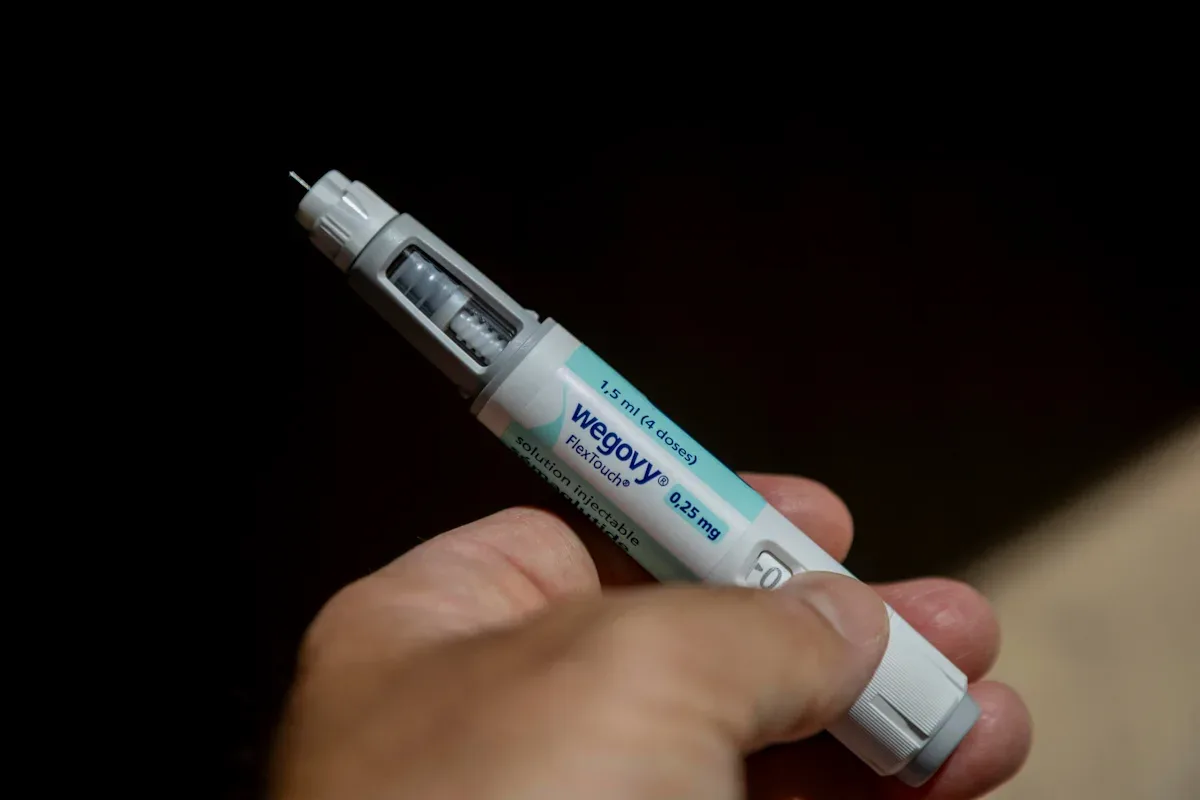
- Novo Nordisk's Ozempic and Wegovy,
- medications used for diabetes treatment and weight loss,
- medications to treat common diseases such as asthma and prostate cancer.
According to AARP, the cost of prescription medications is a major concern for seniors. Health tracking apps like
Shotlee can help monitor medication costs and usage.
Additional Savings Measures
Beginning in 2025, the Inflation Reduction Act also introduced a $2,000 out-of-pocket spending limit for seniors. Because this spending limit is adjusted annually for inflation, it could reach approximately $2,200 in 2027, based on current trends. Medicare enrollees will not pay anything for covered prescriptions above that amount. Consequently, the negotiated prices for the 15 medications could help seniors reduce their expenses until they reach that spending threshold.
CMS reported that approximately 5.3 million individuals with Medicare Part D coverage utilized the 15 medications to treat conditions such as diabetes and asthma. These medications account for $40.7 billion in spending within Medicare Part D.
Broader Impact
Beyond potential savings for individuals on their prescriptions, the reduced medication pricing will also benefit Medicare itself, according to Merith Basey, executive director of Patients For Affordable Drugs, an advocacy group focused on lowering prescription costs.
Basey stated, "Medicare is using its bargaining power to lower prices on the most expensive drugs covered by the program. The savings gained from the new, lower negotiated prices are what allow the program to pay for the out-of-pocket cap."
She added that the program's ability to negotiate medication costs also represents "the most powerful tool we currently have in place to rein in drug prices and hold the pharmaceutical industry accountable."
Medicare's negotiations are separate from agreements negotiated to lower prices for
Zepbound, Ozempic, and Wegovy, announced earlier this month. Under that agreement, the monthly cost of the GLP-1 drugs will range from $245 to $350, down from as high as $1,350 per month.
However, the price for Medicare enrollees for Wegovy and Ozempic under the earlier deal will be $245, less than the $274 negotiated by CMS.