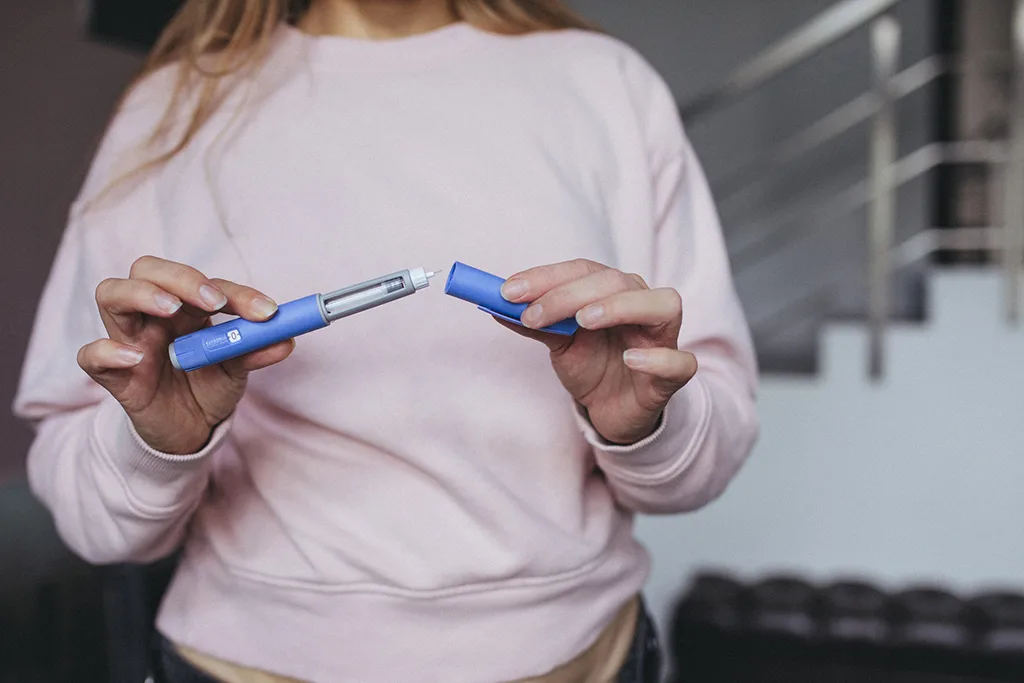
Introduction: A Game-Changer for Medicare and GLP-1 Access
For millions of Medicare beneficiaries struggling with obesity, high-cost GLP-1 medications like Wegovy (semaglutide) and Zepbound (tirzepatide) have been out of reach—often $1,000+ monthly without coverage. Medicare's longstanding policy excluded drugs prescribed solely for weight loss, limiting access to those with diabetes. But that's changing.
The GLP-1 Payment Demonstration—sometimes called "TrumpRx"—introduces exceptions starting summer 2026. This voluntary model allows select Part D plans to cap copays at $50/month, potentially saving users over $11,000 annually. As a specialist in GLP-1 therapies, I'll break down the science, eligibility, steps to prepare, and real-world implications for metabolic health.
What Are GLP-1 Medications and Why Do They Matter?
GLP-1 receptor agonists mimic glucagon-like peptide-1 (GLP-1), a gut hormone that regulates appetite, slows gastric emptying, and boosts insulin secretion. These mechanisms promote satiety, reduce caloric intake, and improve glycemic control—key for obesity and type 2 diabetes.
Key GLP-1 Drugs for Weight Loss
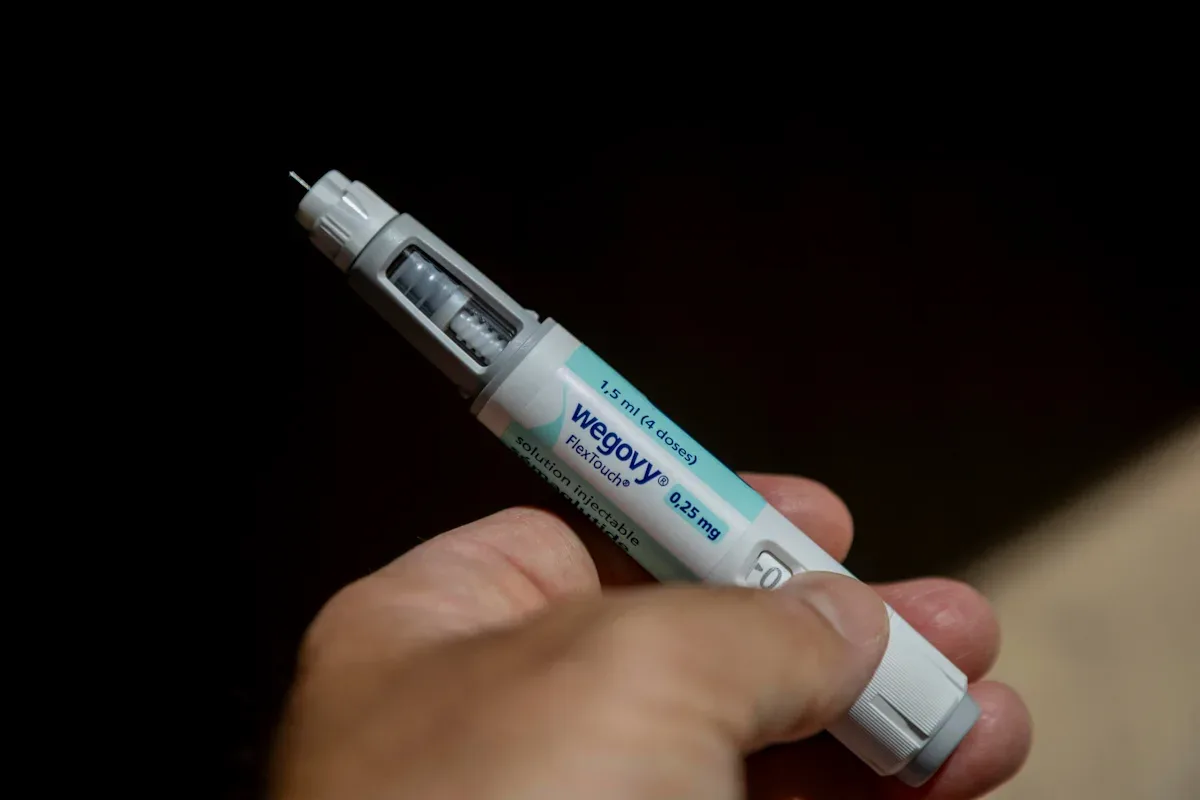
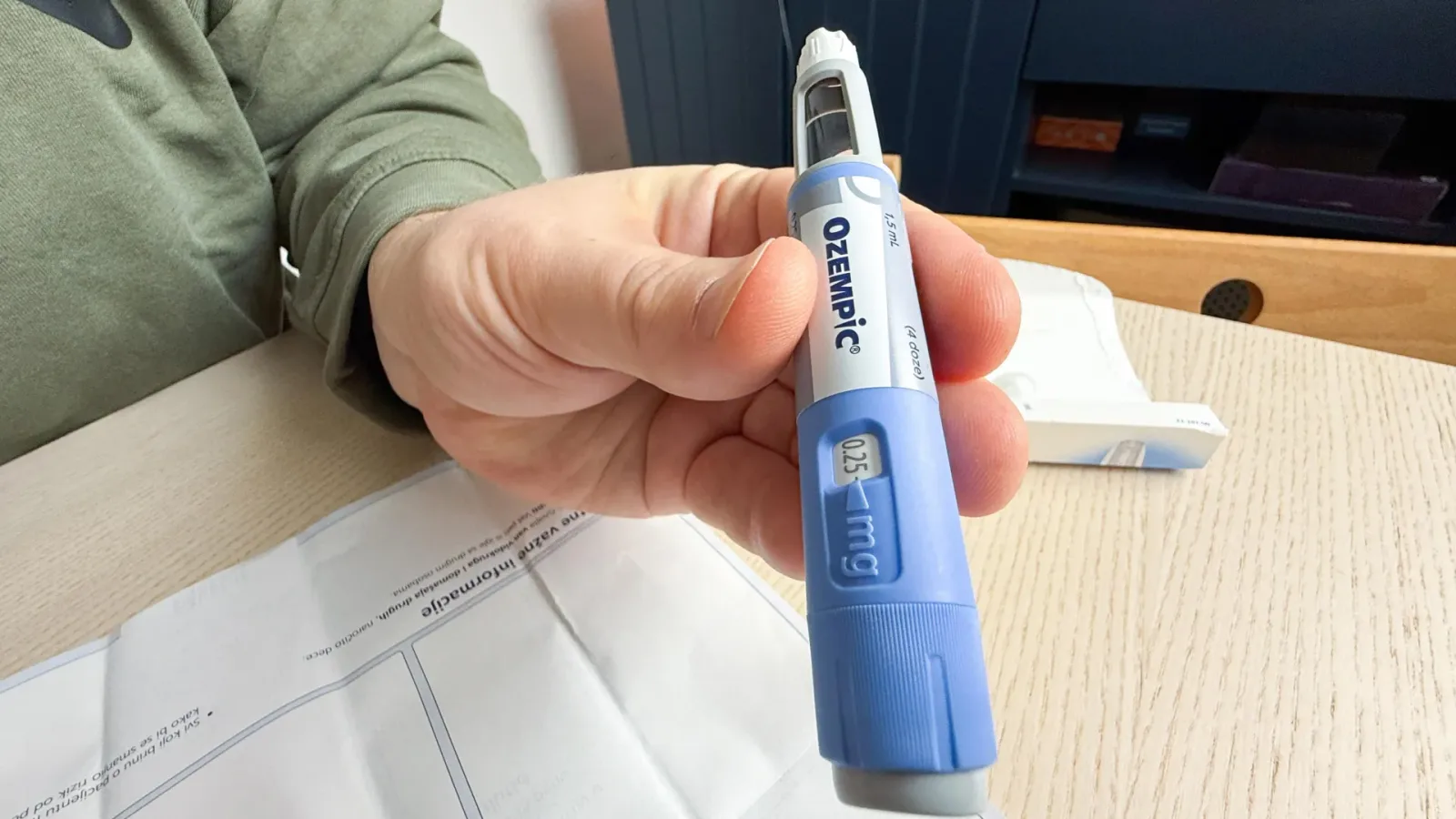
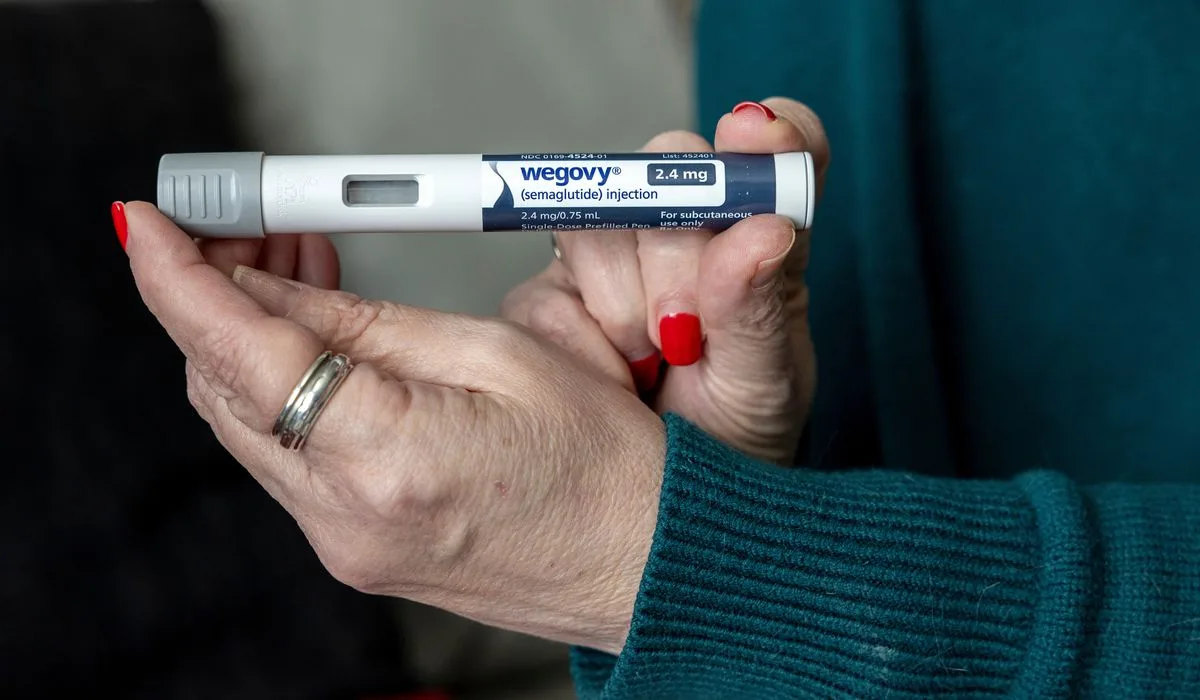
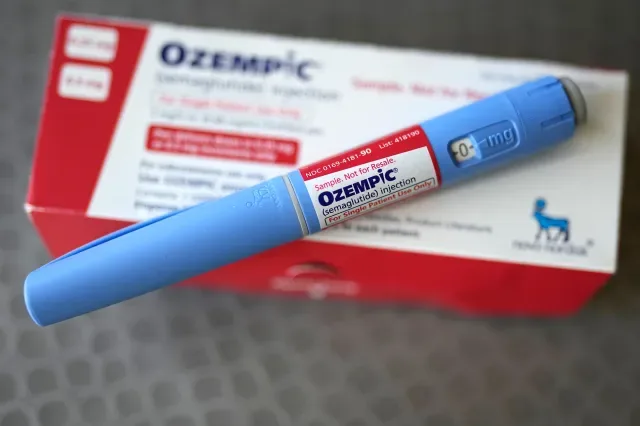
- Ozempic/Wegovy (semaglutide): Ozempic (weekly 0.5-2 mg) treats diabetes; Wegovy (up to 2.4 mg) is FDA-approved for chronic weight management. STEP trials showed 15-20% body weight loss over 68 weeks in adults with BMI ≥30 (or ≥27 with comorbidities).
- Mounjaro/Zepbound (tirzepatide): Dual GLP-1/GIP agonist. SURMOUNT-1 trial: up to 22.5% weight loss at 36 weeks (15 mg dose) vs. 2.4% placebo. Superior for insulin sensitivity and liver fat reduction.
These aren't "miracle drugs" but evidence-based tools. A 2023 meta-analysis in The Lancet confirmed 10-15% sustained loss with lifestyle integration, reducing cardiovascular risk by 20% (SELECT trial).
"GLP-1s address obesity as a chronic disease, not a willpower failure." – NEJM review, 2024.
Medicare's Historical Stance on Weight Loss Drugs
Under the Social Security Act, Medicare Part D excludes "weight loss" drugs unless treating another condition (e.g., diabetes via Ozempic). This left Wegovy/Zepbound as cash-pay for obesity, pricing out many seniors despite obesity affecting 40% of those 65+ (CDC data).
Comorbidities like hypertension (70% prevalence) or prediabetes often justify use, but documentation was inconsistent—until now.
The GLP-1 Payment Demonstration: Timeline and Phases
Officially the CMS GLP-1 Payment Demonstration, this bridges to the BALANCE Model. It's voluntary, so not universal, but transformative for participants.
Phase 1: The Bridge Demonstration (July 2026)
A temporary "loophole" launches July 2026. Participating Part D plans cap GLP-1 copays at $50/month for eligible beneficiaries. No broad rollout—check your plan.
Phase 2: BALANCE Model (January 2027)
Integrates permanently into Part D, standardizing coverage. Expect wider adoption as administrative kinks resolve.
Projected Impact: With 10M+ obese Medicare enrollees, CMS estimates $5B+ savings via better outcomes (fewer hospitalizations).
Precision tracking for your journey
Join thousands using Shotlee to accurately track GLP-1 medications and side effects.
📱 Get the Shotlee App
Track your GLP-1 medications, peptides, and health metrics on the go with our mobile app!
Eligibility: Obesity with Comorbidities Explained
Coverage targets "obesity with comorbidities," not cosmetic weight loss. Clinically:
- BMI Criteria: ≥30 kg/m², or ≥27 with conditions like CVD, hypertension, dyslipidemia, or sleep apnea.
- Comorbidities: Documented via ICD-10 (e.g., E66.01 for obese with complications). Prediabetes (HbA1c 5.7-6.4%) or NAFLD qualify.
Your doctor must code prescriptions under this—e.g., Wegovy for "obesity-related hypertension." Studies like LEADER (liraglutide) show GLP-1s cut major adverse cardiac events by 13% in such patients.
How to Lock In Coverage: Step-by-Step Guide
Don't wait—proactive steps ensure access.
- Verify Plan Participation: Call the number on your Medicare card. Ask: "Is this plan joining the CMS GLP-1 Payment Demonstration (July 2026 bridge)?" If no, switch during Open Enrollment (Oct 15-Dec 7, 2025 for 2026).
- Secure Diagnosis: Schedule with your provider. Request BMI assessment + comorbidity notes. Telehealth works for many.
- Monitor Portals: Watch Medicare.gov for the "TrumpRx" pricing portal (spring 2026). Offers ~$350/month cash-pay as interim.
- Pharmacy Prep: Confirm with pharmacist post-July 2026; provide prior auth if needed.
Cost Savings and Long-Term Value
Full price: Wegovy ~$1,350/month; Zepbound ~$1,100. At $50 copay: $12,000/year savings. Plus health gains—20% CVD risk drop (SELECT), diabetes prevention (10% loss sustains remission).
Combine with lifestyle: 500kcal deficit + resistance training maximizes retention (post-trial data: 70% maintain 10% loss at 2 years).
Managing GLP-1 Side Effects and Optimizing Therapy
Common issues: nausea (44% initial, fades), GI upset. Mitigate with slow titration, hydration, small meals. Rare: pancreatitis (0.2%).
Track progress with apps like Shotlee, which logs symptoms, side effects, nutrition, and dosing—vital for dose adjustments and doctor reports. Dual-agonist Zepbound may have fewer GI effects (SURMOUNT data).
Pro Tip: Protein-forward diet (1.6g/kg) preserves muscle during loss.
Conclusion: Seize This Medicare Shift
The GLP-1 Payment Demonstration punches through Medicare barriers, capping Wegovy/Zepbound at $50/month from July 2026—if eligible and prepared. Verify your plan, document comorbidities, and integrate therapy with lifestyle for metabolic wins. This isn't just cost relief; it's evidence-based care for obesity as a disease. Consult your doctor today—your health trajectory depends on it.