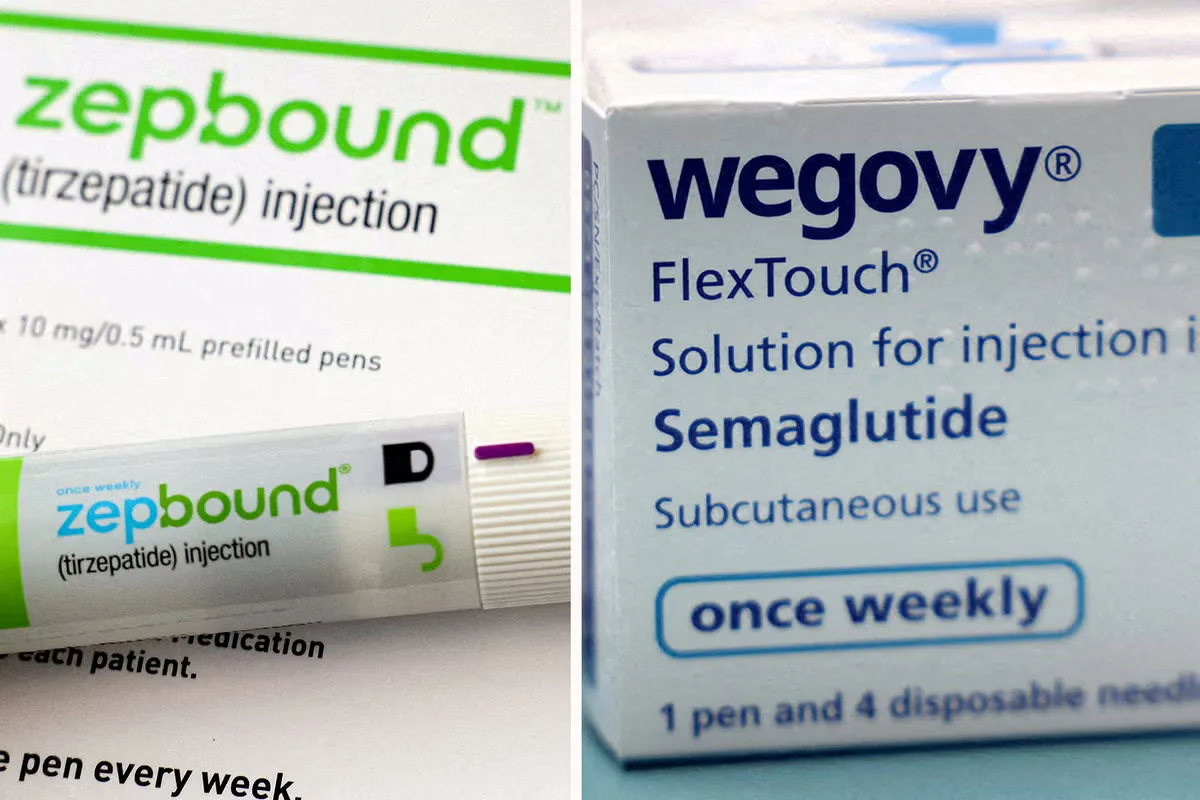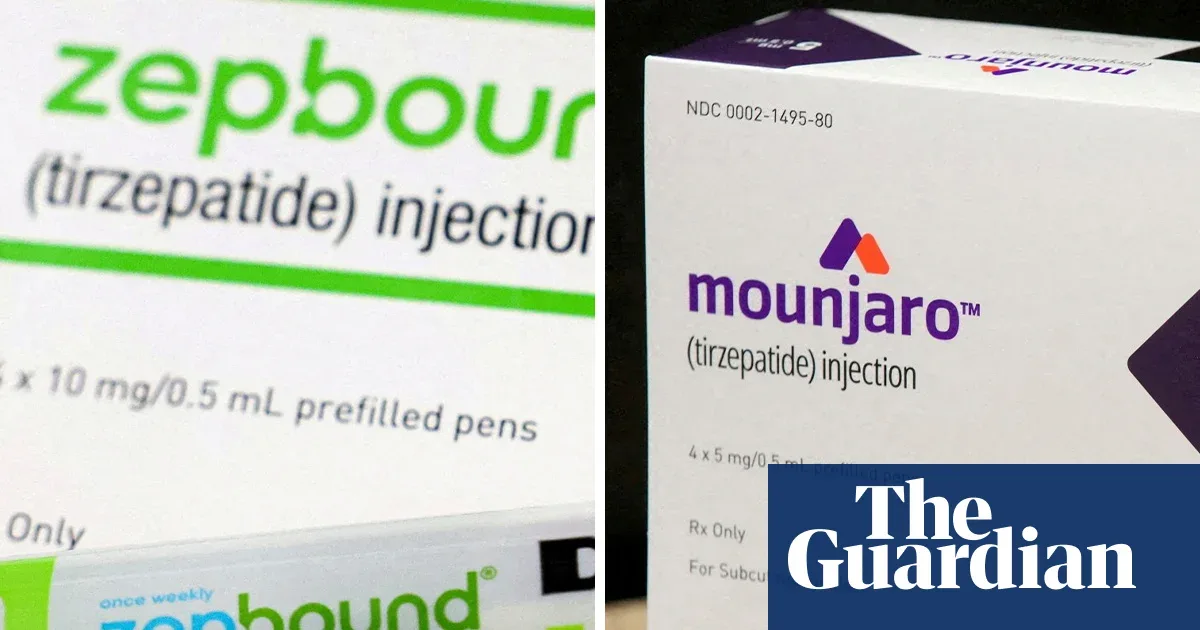

In a strategic move to ensure smooth market entry for its oral GLP-1 candidate, Eli Lilly has amassed $1.5 billion in pre-launch inventories as of December 31, primarily tied to orforglipron. This buildup underscores Lilly's determination to sidestep the supply shortfalls that plagued early GLP-1 rollouts for obesity, such as those seen with its injectable GIP/GLP-1 drugs Mounjaro and Zepbound. The news, disclosed in a recent securities filing, highlights Lilly's proactive approach ahead of an anticipated FDA approval for obesity treatment.
Understanding Orforglipron: A Game-Changer in Oral GLP-1 Therapy
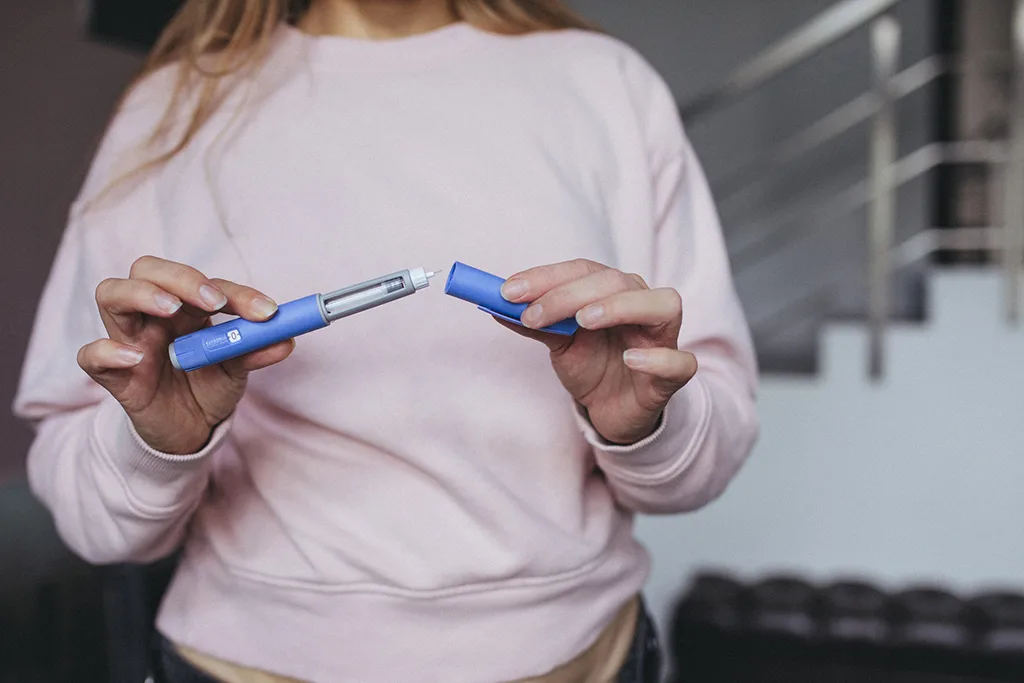
Orforglipron represents Eli Lilly's entry into the burgeoning field of oral GLP-1 receptor agonists, designed specifically for obesity and potentially type 2 diabetes management. Unlike injectable GLP-1 drugs like semaglutide (found in Ozempic, Wegovy) or tirzepatide (Mounjaro, Zepbound), orforglipron is a small-molecule, non-peptide oral tablet. This innovation addresses key patient barriers: the inconvenience of weekly injections and needle phobia, which affect adherence rates in up to 50% of patients on injectables, according to clinical observations.
How Orforglipron Works
GLP-1 receptor agonists mimic the glucagon-like peptide-1 hormone, which regulates blood sugar, slows gastric emptying, and signals fullness to the brain, leading to significant weight loss—often 15-20% of body weight in trials. Orforglipron's oral formulation binds directly to GLP-1 receptors without needing peptide stability enhancements, potentially offering once-daily dosing. Phase 3 trials have shown promising efficacy, with weight reductions comparable to injectables, making it a vital option amid the global obesity epidemic affecting over 1 billion adults.
Lilly's Aggressive Inventory Build-Up
Lilly's pre-launch stockpiling is no small feat. As of December 31, the company reported $1.5 billion in inventories, a sharp increase from nearly $550 million in early inventory primarily related to orforglipron back in February. This escalation reflects lessons learned from past launches. While building pre-approval supplies is standard, Lilly's scale suggests a deliberate push to flood the market immediately upon approval, ensuring patients have access from day one.
Avoiding the Shortage Pitfalls of Mounjaro and Zepbound
Early rollouts of Lilly's Mounjaro (for diabetes) and Zepbound (for obesity) faced severe supply constraints, as did Novo Nordisk's injectables. These shortages fueled a rise in unregulated compounding pharmacies offering knockoff GLP-1s, creating safety risks and market fragmentation. Both companies have since resolved issues, ramping up production, but the damage lingered—compounders persist despite FDA crackdowns. Lilly's orforglipron hoard aims to prevent history from repeating.
Expedited FDA Review and Global Launch Plans
Lilly secured a Commissioner's National Priority Voucher (CNPV) last November, granting an expedited U.S. review for orforglipron aligned with national health priorities like obesity. This promised a 1- to 2-month timeline, but the FDA set a target decision date of April 10. The CNPV has drawn criticism from lawmakers over potential corruption risks and impacts on FDA standards.
Precision tracking for your journey
Join thousands using Shotlee to accurately track GLP-1 medications and side effects.
📱 Get the Shotlee App
Track your GLP-1 medications, peptides, and health metrics on the go with our mobile app!
At the J.P. Morgan Healthcare Conference in January, Lilly's chief scientist, Daniel Skovronsky, M.D., Ph.D., emphasized: his company planned to launch orforglipron "in many, many countries around the world, as quickly as possible." This global ambition, per Reuters, positions orforglipron for rapid international availability post-approval.
Head-to-Head with Novo Nordisk's Wegovy Pill
Upon approval, orforglipron will directly challenge Novo Nordisk's Wegovy pill (oral semaglutide), FDA-approved in late December and U.S.-launched in early January. Despite a brief clash with Hims & Hers, which tried launching a compounded GLP-1 pill shortly after, Wegovy's oral version has surged, outpacing prior injectable GLP-1 launches in prescription volume. Both pills promise easier access than shots, but orforglipron's non-peptide design could offer advantages in manufacturing scalability and cost.
Comparing Oral GLP-1s: Orforglipron vs. Wegovy Pill
- Efficacy: Both show 15%+ weight loss in trials; head-to-head data pending.
- Dosing: Orforglipron: daily oral; Wegovy pill: similar profile.
- Supply: Lilly's $1.5B stockpile vs. Novo's established but monitored rollout.
- Side Effects: Common GLP-1 issues like nausea, GI upset; monitor with tools like Shotlee for symptom tracking.
Patients switching or starting should consult physicians, weighing factors like insurance coverage and comorbidities.
Safety Considerations and Patient Guidance
GLP-1 therapies like orforglipron carry risks including gastrointestinal effects, pancreatitis, and thyroid concerns—mirroring class warnings. No new safety signals emerged in orforglipron trials, but real-world monitoring is key. Discuss with your doctor if you have obesity (BMI ≥30) or overweight with conditions like hypertension. Track adherence and sides via apps like Shotlee for medication schedules. Not for cosmetic use; best for metabolic health.
What This Means for Patients and Providers
Lilly's inventory surge promises fewer barriers to oral obesity treatments, potentially accelerating GLP-1 adoption. With obesity driving heart disease and diabetes, accessible pills could transform care. Expect pricing pressures, but sales surges projected for 2026 despite headwinds.
Key Takeaways
- Eli Lilly holds $1.5B in orforglipron inventory to prevent shortages.
- FDA target date: April 10 via CNPV expedited review.
- Aims to rival Wegovy pill with global launch plans.
- Learns from Mounjaro/Zepbound supply issues and compounder rise.
- Patients: Consult MDs; oral GLP-1s enhance convenience for weight management.
Conclusion: A Stocked Future for Oral GLP-1s
Eli Lilly's orforglipron preparations signal a well-supplied era for oral weight loss drugs. By preserving access and competing fiercely, this could expand metabolic health options. Stay informed on FDA updates and discuss with healthcare teams for personalized plans.