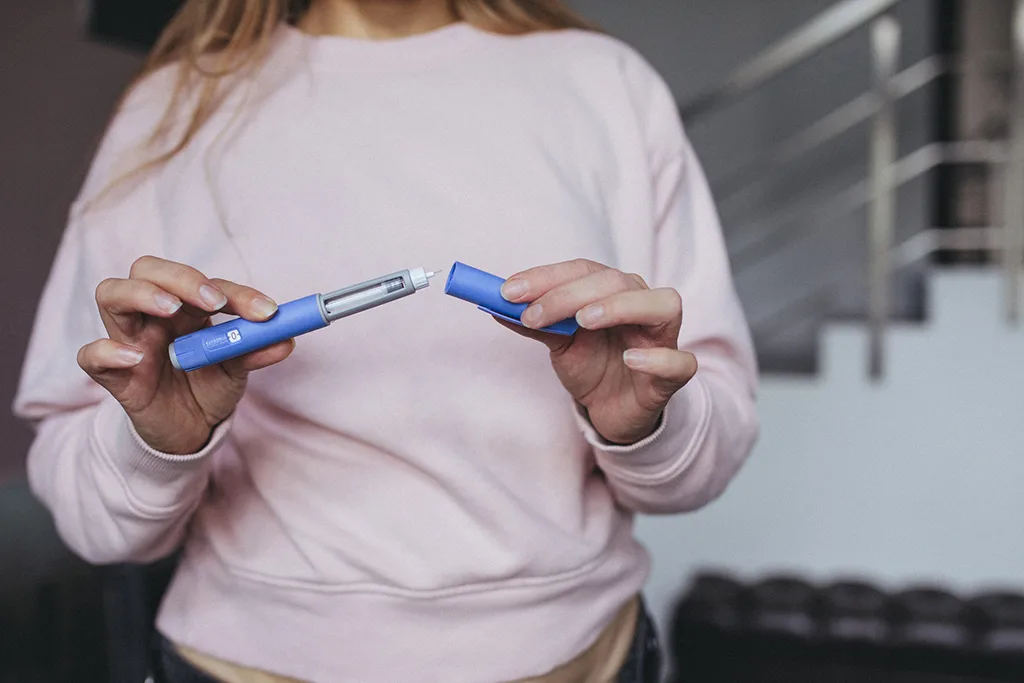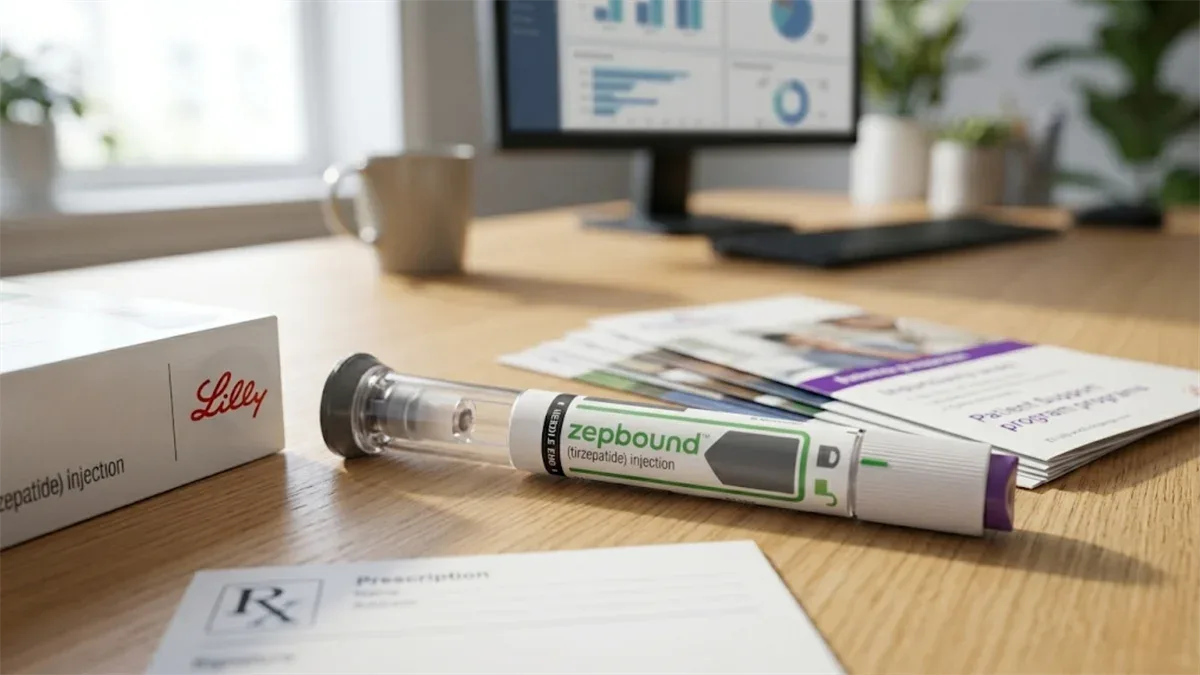

Eli Lilly's recent filing reveals a significant buildup of pre-launch inventory for its GLP-1 weight loss pill, orforglipron, totaling $1.5 billion. This marks a substantial increase from the approximately $550 million in inventory reported last year. With the FDA setting April 10 as its target action date for approval, this stockpiling underscores Lilly's expectation of strong initial demand and a commitment to avoiding the supply shortages that hampered the GLP-1 market from 2022 through 2024.
Understanding Eli Lilly's Strategic Stockpile
The decision to amass such a large inventory of orforglipron is more than logistical preparation—it's a strong market signal. Eli Lilly is positioning itself to meet anticipated demand right out of the gate, drawing lessons from the explosive uptake of Novo Nordisk's Wegovy. If Wegovy's trajectory serves as a guide, orforglipron could expand the GLP-1 category by attracting new patients rather than significantly cannibalizing the existing injectable market.
This preparation comes amid a broader market rebound, where stocks recovered from weekly volatility influenced by cooler-than-expected January consumer price index data and a robust jobs report. Sectors like utilities, materials, and real estate led gains, highlighting investor preference for hard assets less vulnerable to AI disruptions. While financials, communication services, consumer discretionary, and technology lagged, pharmaceutical developments like Lilly's orforglipron stockpile stand out as a positive for the healthcare sector.
What is Orforglipron and How Does It Fit into GLP-1 Therapy?
The Role of GLP-1 Agonists in Weight Management
GLP-1 receptor agonists like orforglipron mimic the glucagon-like peptide-1 hormone, which regulates blood sugar, slows gastric emptying, and reduces appetite. These mechanisms promote significant weight loss, making them a cornerstone of obesity treatment. Unlike injectables such as Wegovy (semaglutide), orforglipron is an oral formulation, offering a needle-free alternative that could improve patient adherence.
Orforglipron represents Eli Lilly's push into oral GLP-1s, building on successes with injectable tirzepatide (Zepbound, Mounjaro). Clinical trials have demonstrated its efficacy for obesity, positioning it as a potential game-changer for accessibility in metabolic health management.
Why Oral GLP-1s Like Orforglipron Matter
Injectable GLP-1s faced chronic shortages due to surging demand, limiting access for many patients. Lilly's $1.5 billion orforglipron inventory signals proactive manufacturing scale-up to prevent repeats. This could broaden treatment reach for individuals with obesity, type 2 diabetes, or related metabolic conditions, where sustained weight loss improves cardiovascular health and quality of life.
Precision tracking for your journey
Join thousands using Shotlee to accurately track GLP-1 medications and side effects.
📱 Get the Shotlee App
Track your GLP-1 medications, peptides, and health metrics on the go with our mobile app!
Implications for the GLP-1 Market and Patient Access
Lessons from Wegovy and Supply Chain History
Novo Nordisk's Wegovy experienced massive demand starting in 2022, leading to widespread shortages through 2024. Lilly's approach with orforglipron aims to sidestep this by pre-building inventory. The expectation is that new oral options will drive category growth through fresh patient starts, preserving the injectable segment's role for those who respond best to it.
- Strong demand projection: Mirrors Wegovy's rapid adoption.
- No notable cannibalization: Injectables likely remain for long-term users.
- Supply stability: $1.5B inventory vs. $550M last year.
Upcoming Earnings and Economic Data Context
As markets eye earnings from S&P 500 companies like Palo Alto Networks, Texas Roadhouse, Walmart, DoorDash, Toll Brothers, and Deere, Lilly's GLP-1 developments add optimism to pharma. Key data releases—including durable goods orders, housing starts, industrial production, December PCE price index, Q4 GDP, new home sales, and University of Michigan sentiment—will influence sentiment, but orforglipron's timeline remains a focal point.
Practical Guidance for Patients Considering GLP-1 Therapies
Who Might Benefit from Orforglipron?
Patients with obesity (BMI ≥30) or overweight with comorbidities like prediabetes may find oral GLP-1s appealing. Discuss with your healthcare provider to assess suitability, especially if injections pose barriers. Orforglipron's potential approval on April 10 could expand options, but availability depends on final FDA decision and insurance coverage.
Managing GLP-1 Treatment: Tips and Tools
Start with lifestyle changes alongside medication. Monitor symptoms like nausea or gastrointestinal effects common to GLP-1s. Apps like Shotlee can help track medication schedules, side effects, and progress in weight loss or metabolic health.
- Consult your doctor before starting.
- Combine with diet and exercise.
- Report adverse effects promptly.
Safety Considerations in GLP-1 Use
GLP-1s are generally well-tolerated but can cause GI upset, especially initially. Lilly's stockpile preparation ensures more patients might access monitored therapy, reducing black-market risks seen during past shortages.
Key Takeaways: What Lilly's Signal Means
- Eli Lilly's $1.5 billion orforglipron inventory buildup signals high confidence in demand post-FDA approval on April 10.
- Up from $550 million last year, it aims to prevent 2022-2024 GLP-1 shortages.
- Expected to expand the market like Wegovy, without major injectable cannibalization.
- For patients: Potential for convenient oral weight loss therapy; consult providers for personalized fit.
Conclusion: A Pivotal Moment for Oral GLP-1s
Eli Lilly's stockpiling of orforglipron sends an unmistakable signal of readiness for a transformative launch in GLP-1 weight loss treatments. By addressing past supply hurdles, Lilly positions orforglipron to meet growing patient needs in obesity management. Stay informed on FDA updates and discuss with your doctor how emerging oral options like this could fit into your metabolic health plan. This development not only boosts investor outlook but promises better access to effective therapies.