
In a significant development for obesity and diabetes treatment in India, Eli Lilly plans to expand access to its obesity and diabetes drug Mounjaro (tirzepatide) across the country. This announcement comes as demand for GLP-1 medicines accelerates, highlighted by President and General Manager for Lilly India, Winslow Tucker, at the News18 Rising Bharat Summit. With nearly 100 million people living with obesity or overweight in India, Tucker's focus is on scaling availability, building awareness, and ensuring responsible use of the drug.
The Growing Obesity Crisis in India
Obesity has emerged as a major health concern in India, directly linked to cardiovascular disease and other serious complications. Tucker noted, "Obesity is a major health concern in India. Nearly 100 million people are living with obesity or overweight." This statistic underscores the urgent need for effective interventions beyond traditional lifestyle changes.
India's obesity epidemic is fueled by rapid urbanization, dietary shifts toward processed foods, and sedentary lifestyles. Overweight and obesity increase risks for type 2 diabetes, hypertension, and heart disease—conditions already straining the nation's healthcare system. GLP-1 receptor agonists like Mounjaro represent a prescription-based, evidence-backed option that, when combined with diet, exercise, and lifestyle modifications, can significantly improve patient outcomes. Tucker emphasized, "This is really changing the outcomes of patients."
What is Mounjaro and How Does It Work?
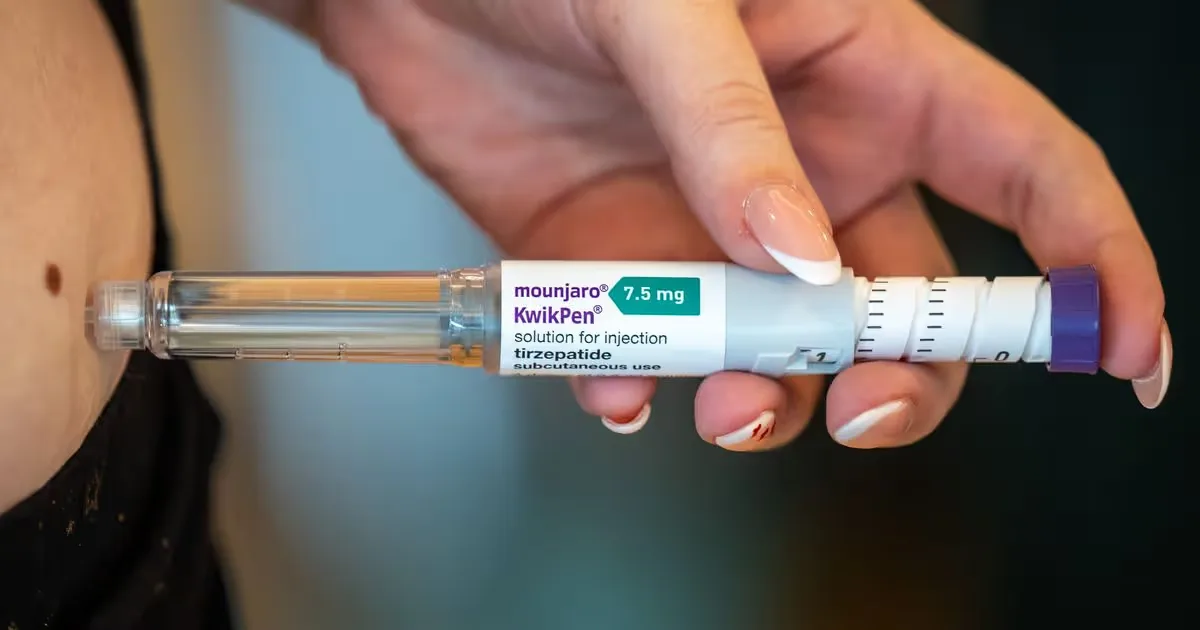
Launched in India in March last year, Mounjaro (tirzepatide) has seen strong uptake, reflecting a broader shift in obesity treatment. As a dual agonist targeting both GLP-1 (glucagon-like peptide-1) and GIP (glucose-dependent insulinotropic polypeptide) receptors, Mounjaro mimics these gut hormones to regulate blood sugar, slow gastric emptying, and reduce appetite. This mechanism promotes substantial weight loss—often 15-20% of body weight in clinical trials—making it a powerful tool for managing obesity as a chronic disease.
Unlike single GLP-1 agonists such as semaglutide (found in Ozempic or Wegovy), tirzepatide's dual action may offer enhanced efficacy for weight management and glycemic control. Tucker called the rising use of GLP-1 medicines "a meaningful step forward for chronic disease care."
Who Might Benefit from Mounjaro?
Patients with obesity or overweight accompanied by comorbidities like type 2 diabetes or cardiovascular risks may be ideal candidates. However, Mounjaro requires medical supervision and is not intended for cosmetic weight loss. Healthcare providers assess eligibility by screening BMI, medical history, and potential contraindications such as thyroid cancer history or pancreatitis.
- Discuss with your doctor: If obesity impacts your health, ask about GLP-1 therapies like Mounjaro alongside lifestyle changes.
- Track progress: Tools like Shotlee can help monitor symptoms, side effects, or injection schedules for better adherence.
Lilly's Expansion Strategy for Mounjaro in India
Tucker outlined Lilly's priority to "scale availability" nationwide. A key partnership with Cipla aims to extend access beyond major urban centers, addressing barriers in rural and semi-urban areas. Pricing will reflect "the value that we believe it provides to individuals... and society overall."
India could see faster adoption with more companies entering the market, including the expected launch of generic semaglutide later this year. Tucker said, "I think that will increase potentially the access to the GLP-1s, and I think that can be a good thing, given the unmet need." However, Lilly anticipates no generic versions of Mounjaro soon due to ongoing patent protection.
Precision tracking for your journey
Join thousands using Shotlee to accurately track GLP-1 medications and side effects.
📱 Get the Shotlee App
Track your GLP-1 medications, peptides, and health metrics on the go with our mobile app!
Globally, GLP-1 uptake is rising, driven by lifestyle changes and obesity prevalence. India, still in early stages, could soon become one of the largest GLP-1 markets worldwide, with Lilly "very focused on continuing to scale our reach across India."
Emphasizing Medical Supervision and Responsible Use
Tucker repeatedly stressed that Mounjaro must be used under medical supervision. "These are prescription drugs that should be administered under the care of a healthcare professional," he said. The company does not support cosmetic or unsupervised use, as providers can screen for adverse events and monitor long-term management.
Common side effects include nausea, vomiting, diarrhea, and injection-site reactions, which typically diminish over time. Patients should report severe symptoms like abdominal pain or vision changes promptly. Real-world evidence from India aligns with global clinical-trial data, with Tucker noting, "Millions of patients have been treated around the world... To date, what we have seen is a profile that is consistent with what's been in clinical trials." Lilly continues to collect and report adverse-event data.
Combating Obesity Stigma Through Education
Lilly is reframing obesity as a disease to reduce stigma. "Obesity should be seen as a disease. When it is seen as a disease, we treat it as we do other non-communicable diseases," Tucker stated. The company's "We Now Know" campaign promotes early diagnosis and encourages seeking medical guidance rather than delaying care.
Although too early to quantify impact, increased GLP-1 use provides options beyond lifestyle changes alone. Tucker acknowledged weight regain upon stopping: "If you do stop, weight will come back over time." Lilly is researching maintenance therapies, oral formulations, and next-generation medicines for sustained management.
Comparing Mounjaro to Other GLP-1 Options
In India, semaglutide generics may soon boost affordability, but Mounjaro's dual mechanism sets it apart. While both promote weight loss, tirzepatide has shown superior results in head-to-head trials like SURMOUNT. Patients and doctors should weigh factors like dosing frequency (weekly injections for both), cost, and individual response.
| Drug | Mechanism | Key Benefit |
|---|---|---|
| Mounjaro (tirzepatide) | GLP-1 + GIP | Higher average weight loss |
| Semaglutide | GLP-1 | Established safety profile |
Key Takeaways for Patients and Providers
- 100 million affected: Obesity in India demands scalable solutions like Mounjaro.
- Medical oversight essential: Not for cosmetic use; monitor with professionals.
- Safety consistent: Matches global trial data; report side effects.
- Expansion ahead: Partnerships like Cipla to reach more areas.
- Long-term view: Combine with lifestyle; research ongoing for maintenance.
What This Means for Patients in India
For those struggling with obesity-related health issues, Mounjaro offers hope under proper guidance. Consult your doctor to determine if it's right for you, and consider tracking tools for optimal results. As access broadens, early intervention could prevent complications like heart disease.
Conclusion: Eli Lilly's push for broader Mounjaro access addresses India's obesity crisis head-on, prioritizing education, safety, and equity. By treating obesity as a treatable disease, patients gain evidence-based options to improve health outcomes. Stay informed and discuss with healthcare providers for personalized advice.