In a striking parallel to the smartphone revolution that revitalized Ireland's economy, the country is now gearing up for the explosive growth of GLP-1 weight-loss drugs. Eli Lilly is reconfiguring its Irish operations to meet surging demand for medicines like Mounjaro and Zepbound, positioning Ireland at the heart of this metabolic health shift. This development echoes how Apple and others catalyzed prosperity after the 2008 financial crisis.
Ireland's Proven Track Record with Tech Revolutions
The smartphone era provides a blueprint for Ireland's current trajectory. In 2011, smartphone sales surpassed PCs, marking a pivotal technology shift. Yet, amid Ireland's financial crisis—with house prices plummeting to record lows, unemployment soaring above 16%, and mass emigration—few foresaw the turnaround.
Within five years, unemployment halved, national income rose over 60%, and public finances neared surplus. Multinational exports, led by Apple's iPhone, were key. Apple established its Irish base in 1980, drawn by tax advantages and EU market access, sparking a clustering effect with Google and Meta following suit.
Today, Apple employs over 6,000 in Cork and paid €5.8 billion in corporate tax in 2024 via its Cork subsidiary, Apple Operations International Limited—the single largest tax contributor from the iPhone. US firms like Apple, Microsoft, and now Eli Lilly accounted for nearly 50% of Ireland's corporate tax in 2024.
From Celtic Tiger to Pharma Powerhouse
Ireland's agility in riding tech waves stems from its business-friendly environment. This clustering has made the State a hub for blockbuster products, mitigating risks from patent expirations or shifting trends—for now.
The GLP-1 Weight-Loss Drug Revolution Explained
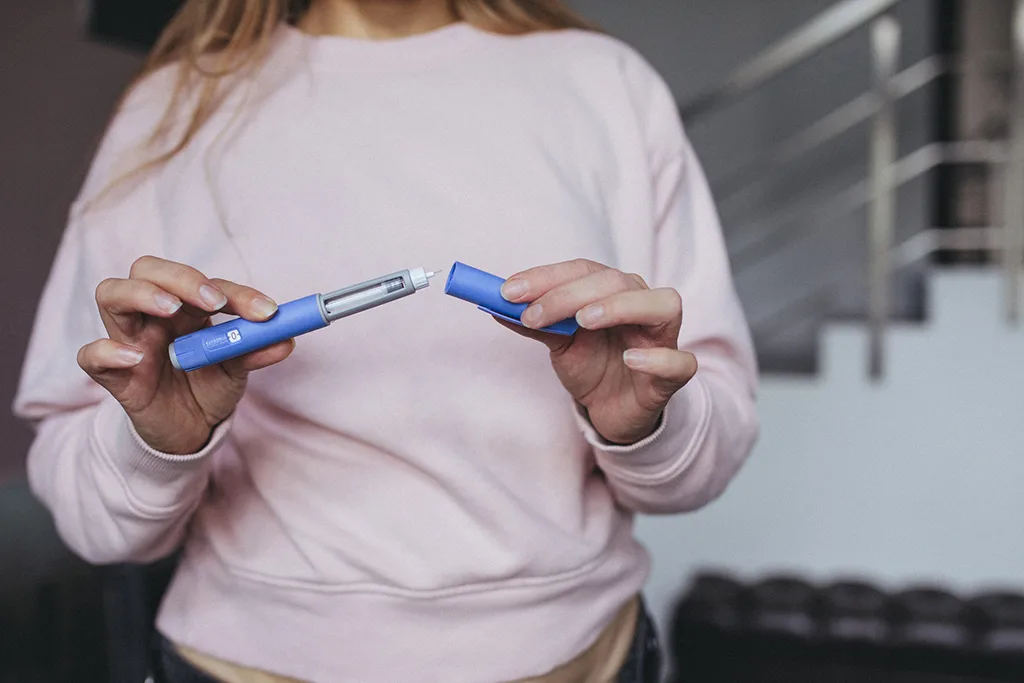
GLP-1 receptor agonists, known as GLP-1s in the industry, were originally developed for type 2 diabetes management. Drugs like Eli Lilly's Mounjaro (tirzepatide) and Zepbound have expanded to tackle obesity, the world's largest health epidemic. The global market is projected to reach $150 billion (€127 billion) by 2030, with some estimates calling this conservative.
These medications mimic glucagon-like peptide-1, a hormone that regulates blood sugar, slows gastric emptying, and signals fullness to the brain. For patients, this translates to significant weight loss—often 15-20% of body weight—alongside improved metabolic health. In the US, adult obesity peaked at 39.9% in 2022 but fell to 37% in 2025 per the Gallup National Health and Wellbeing Index.
"This is a statistically meaningful decrease representing an estimated 7.6 million fewer obese adults compared with three years ago," Gallup stated.
GLP-1s address root causes of metabolic disorders, reducing risks for diabetes, heart disease, and more. Patients considering these therapies should consult physicians to assess suitability, monitor side effects like nausea or gastrointestinal issues, and integrate lifestyle changes for sustained results.
Precision tracking for your journey
Join thousands using Shotlee to accurately track GLP-1 medications and side effects.
📱 Get the Shotlee App
Track your GLP-1 medications, peptides, and health metrics on the go with our mobile app!
Safety Considerations for GLP-1 Users
- Common Side Effects: Nausea, vomiting, diarrhea—typically transient.
- Monitoring Needs: Regular check-ins for thyroid, pancreatic, or kidney function.
- Patient Tools: Apps like Shotlee can help track symptoms, dosages, and progress during GLP-1 therapy.
Eli Lilly's Major Investments in Ireland
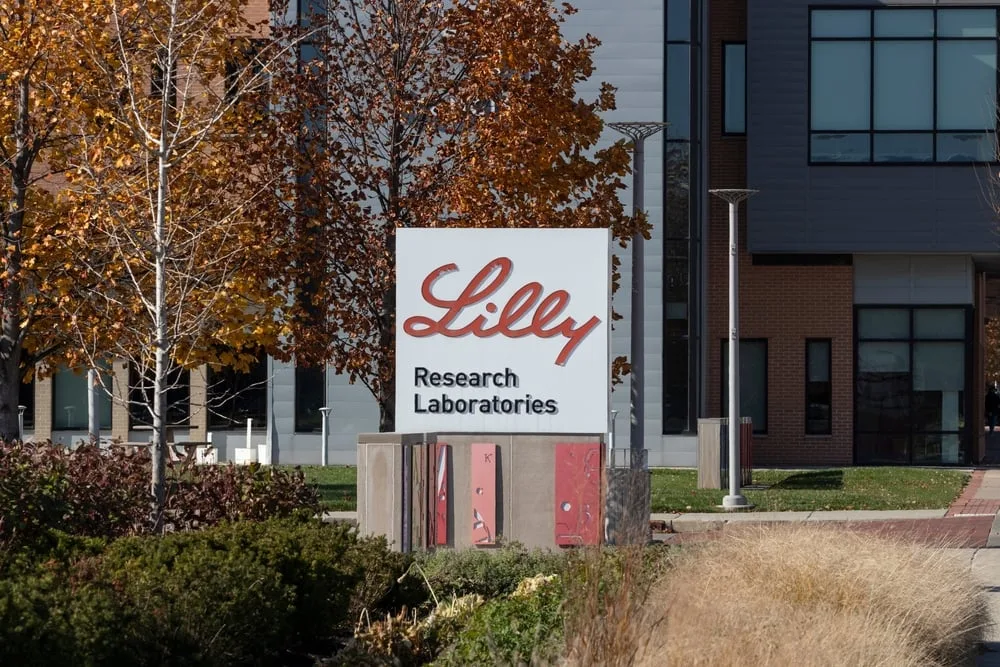
Eli Lilly is manufacturing ingredients for Mounjaro and Zepbound at its Kinsale factory. Despite US tariffs under Donald Trump, Irish goods exports surged last year, driven by Eli Lilly shipping $42.3 billion (€36.4 billion) of ingredients to the US in the first four months of 2025 alone.
Initially attributed to tariff front-loading, conference contributors at the Irish Fiscal Advisory Council (Ifac) suggested a demand explosion instead. Eli Lilly reconfigured its $2 billion Limerick facility—from Alzheimer's drugs to GLP-1 ingredients—with production starting this year. Its oral needle-free pill, Orforglipron, eyes 2026 approval, potentially boosting demand further.
In 2024, Eli Lilly paid €2.2 billion in Irish corporation tax, third behind Apple and Microsoft. US filings indicate this nearly tripled to $6.6 billion (€5.6 billion) last year, exceeding its US liability. Success of these weight-loss drugs could further inflate its Irish tax bill.
Competition Heating Up: Novo Nordisk vs. Eli Lilly
Novo Nordisk, maker of Ozempic, recently shared late-stage data for CagriSema, its next-gen drug. It underperformed Eli Lilly's Zepbound, with Zepbound showing superior weight loss even beyond Lilly's prior data. Novo shares dropped 16%, while Lilly's rose 5%.
Economic Impacts on Ireland
This pharma surge mirrors smartphones: a level shift in exports making Ireland the world's fastest-growing economy, partly via blockbuster weight-loss drugs. Concentration risks persist—patents lapse, technologies evolve—but Ireland's winning streak continues.
For metabolic health, GLP-1s offer hope against obesity's €127 billion market. Compared to alternatives like older diabetes meds or bariatrics, GLP-1s provide non-surgical, scalable options. Ireland's role enhances global supply chains while boosting local jobs and revenues.
Key Takeaways: What This Means for Patients and Economy
- Eli Lilly's Kinsale and Limerick sites anchor Ireland in the $150B GLP-1 market.
- US obesity down to 37% (7.6M fewer adults), linked to these drugs.
- Tax windfalls: Eli Lilly's €5.6B in 2025 dwarfs US liability.
- Exports hit $42.3B in early 2025 amid demand boom.
- Future: Orforglipron and Zepbound edge could sustain growth.
Conclusion: Actionable Insights
Ireland's bet on GLP-1s via Eli Lilly could replicate smartphone-era gains. Patients exploring Mounjaro or Zepbound should discuss with doctors, weighing benefits against side effects. Economically, monitor exports and taxes for sustained prosperity. Stay informed on metabolic health advancements to capitalize on this revolution.