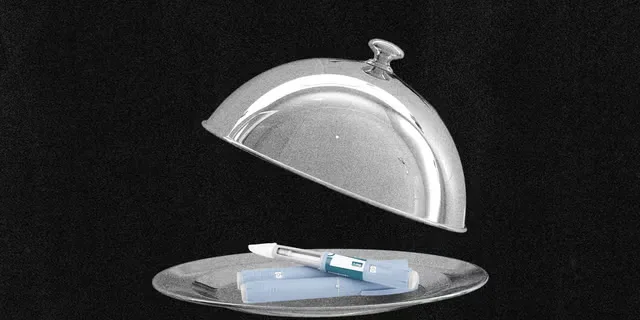

How Ozempic is Reshaping Thanksgiving Celebrations
The rise of GLP-1 medications is prompting families to find new ways of connecting during the holidays.
I recall a time when gatherings at my aunt's house meant indulging in her famous Better Than Sex cake. However, after my uncle's diabetes diagnosis, things shifted. Artificial sweeteners replaced sugar in her recipes. Eventually, she started making two cakes – one for my uncle and another for the rest of us.
Today, with the increased usage of GLP-1s, many individuals find themselves in a similar situation, balancing beloved family recipes with evolving dietary requirements.
The Shifting Dynamics of Family Gatherings
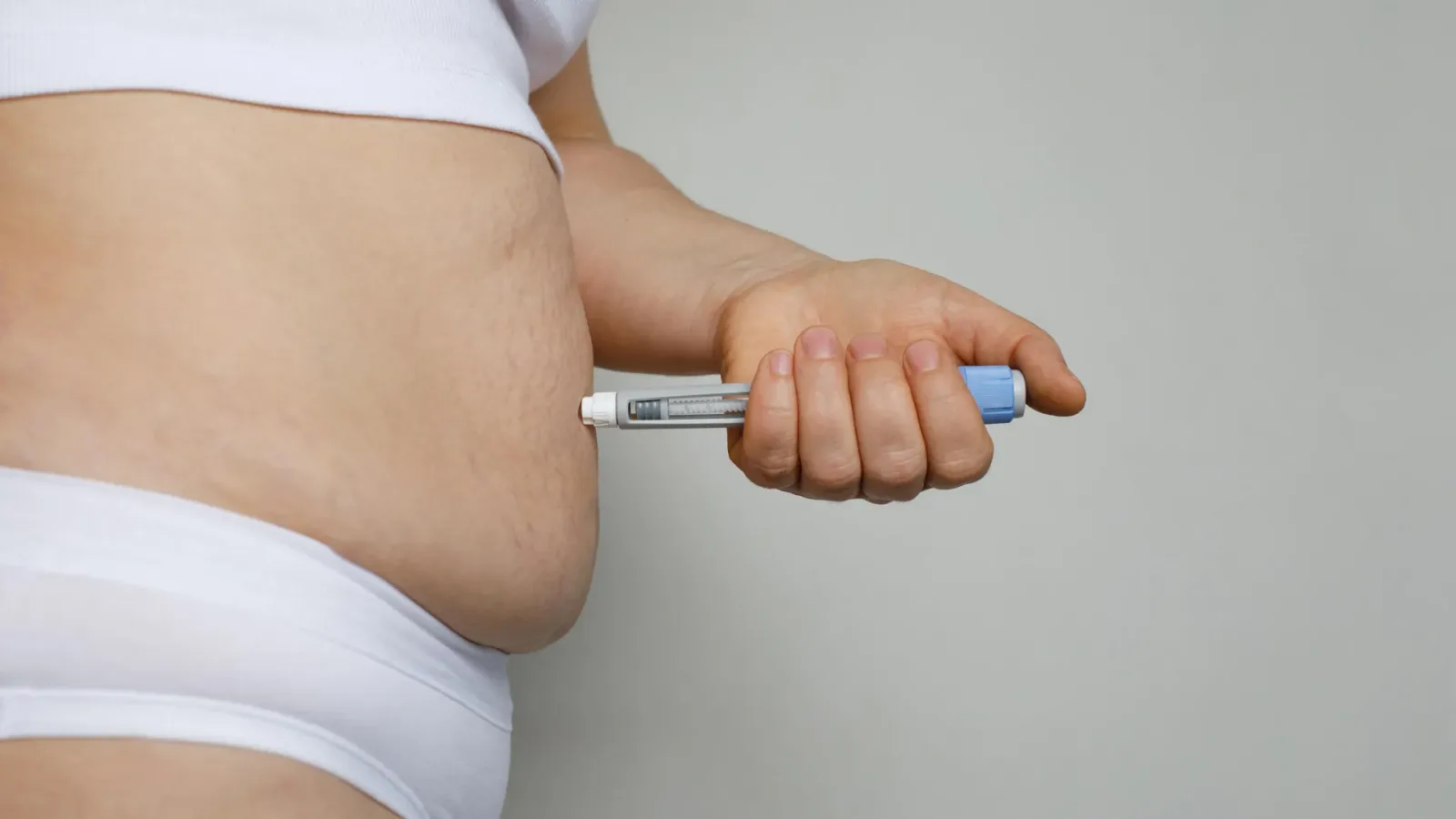
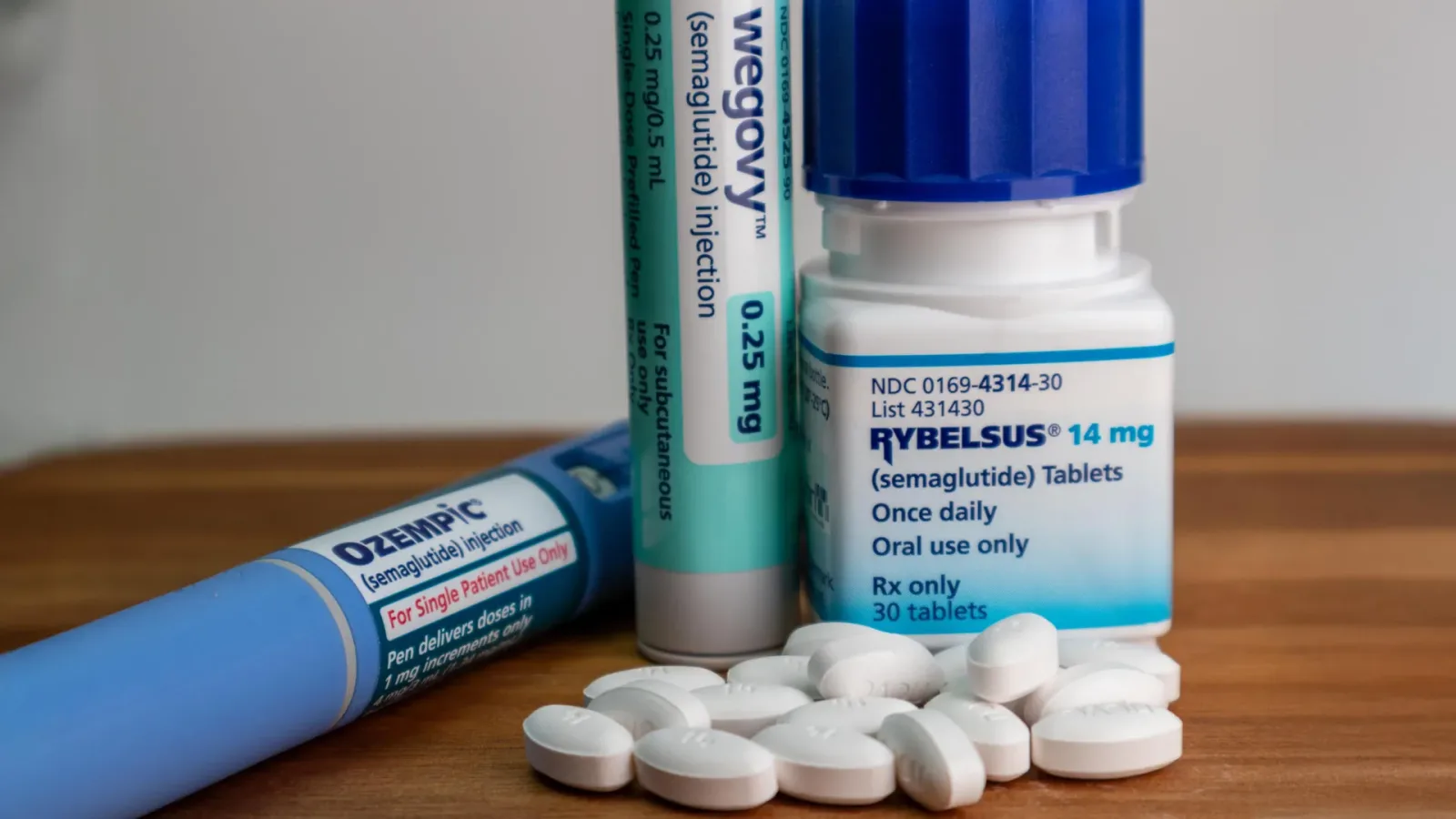
Fatima Cody Stanford, an expert in obesity, nutrition, wellness, and health disparities, has observed that GLP-1 drugs like Ozempic and Mounjaro are subtly altering family gathering dynamics, especially during the holidays. Traditionally, these events have revolved around shared meals. But many patients on GLP-1s experience reduced appetite and early satiety, which can lead to smaller portions or skipping dishes altogether.
This varies among families. Quanisha Green, 41, and her husband both use GLP-1s. Each year, they travel from Philadelphia to Virginia for Thanksgiving. In 2023, their primary concern was managing their medication during the holiday.
Green was also cautious about overeating, but she didn’t anticipate judgment from her family. Since her cousin took over Thanksgiving duties, she maintained the family recipes but eliminated body commentary. According to Green, there was no social pressure to overeat, as her family respected individual dietary choices.
Last Thanksgiving, the Green family stayed home. They discussed which recipes to keep, modify, or skip. They opted to eat less of the macaroni and cheese and freeze the rest for a later meal.
Maintaining Cultural Heritage
Vanessa Rissetto, a registered dietitian and cofounder of Culina Health, suggests there’s no need to abandon cultural cuisines. She emphasizes the importance of retaining cultural heritage, especially for immigrant families.
Precision tracking for your journey
Join thousands using Shotlee to accurately track GLP-1 medications and side effects.
📱 Get the Shotlee App
Track your GLP-1 medications, peptides, and health metrics on the go with our mobile app!
“Food is the epicenter of the home. It's how we connect,” she notes. “In this time -- this political climate is so weird -- I think that people want to hold on to their traditions and see family and not make huge changes.”
Embracing Change and New Traditions
Tania Cornejo, 41, originally from Mexico, has encouraged her children to embrace their American identities. GLP-1 usage has shifted her family's focus from the kitchen to the gym.
After being diagnosed with diabetes, Cornejo was prescribed a GLP-1, which curbed her cravings for desserts and sodas. The weight loss alleviated knee pain, giving her the energy to spend more time with her family. She now feels more alive and energetic.
This Thanksgiving, the Cornejo family will visit her father, who also has diabetes. The focus has shifted to enjoying each other's company through games and music.
Elizabeth Livingston, 41, has also found that politics have changed her family gatherings. She is using GLP-1s to manage her health and break the cycle of Type 2 diabetes in her family. Health tracking apps like Shotlee can help monitor progress and manage medication schedules.
She has been introducing her parents to new foods and cooking methods. Although there were initial reservations, her family has been receptive to these changes.
Stanford supports this approach, emphasizing that health-promoting behaviors and cultural traditions can coexist through open communication and a willingness to redefine celebrations. These medications are tools for health, not barriers to tradition.
Stanford stresses the need for compassion and flexibility as families navigate these changes. The rise of GLP-1s is a cultural phenomenon, reshaping how we perceive food, health, and togetherness.