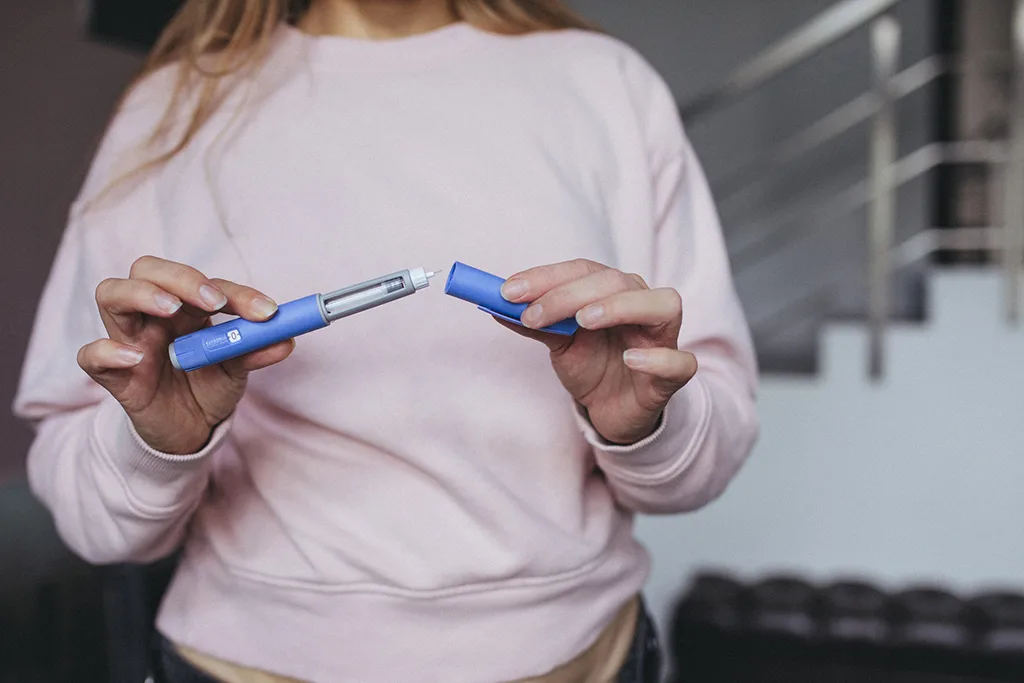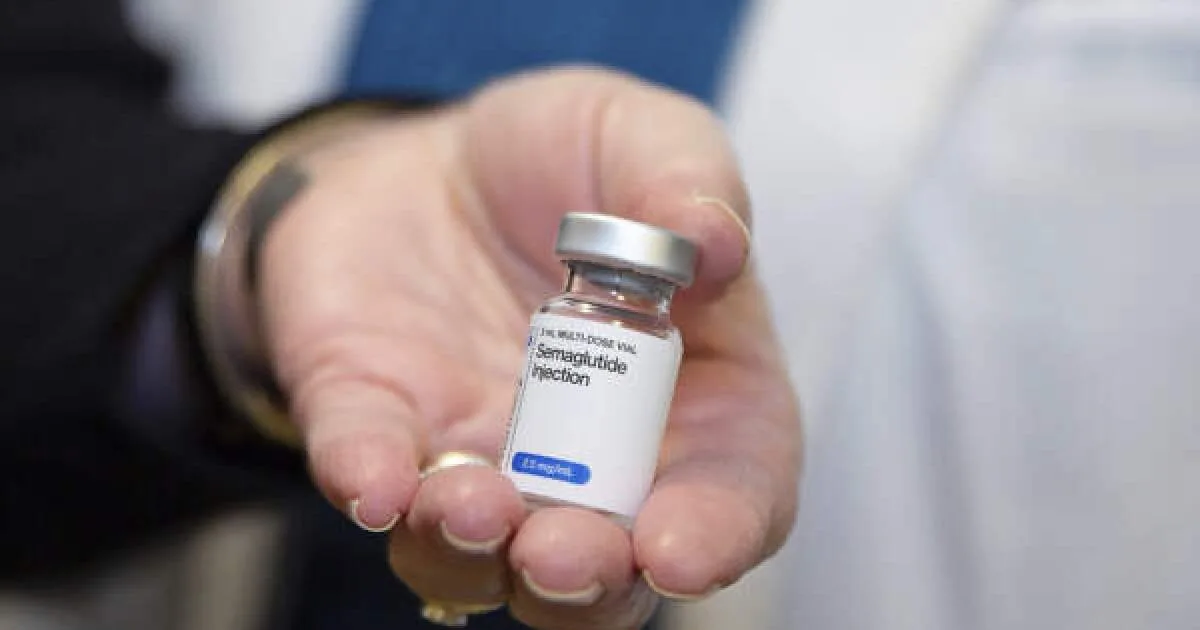

In recent years, GLP-1 drugs such as Wegovy and Mounjaro have gained attention not just for weight loss but for their potential to treat cravings for addictive substances, including alcohol. A compelling story from Rhode Island highlights this emerging use: a pilot program at the Open Doors transitional home offered these medications to 18 residents, many of whom report life-changing results when combined with behavioral and lifestyle supports. Central to this narrative is Gina Roberts, a local mother whose battle with alcoholism ended in sobriety, family restoration, and renewed independence.
The Rise of GLP-1 Drugs in Addiction Treatment
GLP-1 receptor agonists, the class of medications behind drugs like Wegovy (semaglutide) and Mounjaro (tirzepatide), mimic the glucagon-like peptide-1 hormone. Originally developed for type 2 diabetes and obesity management, they slow gastric emptying, promote satiety, and regulate blood sugar. However, growing anecdotal and preliminary evidence suggests they influence brain reward pathways, potentially reducing urges for alcohol and other substances.
While more rigorous studies are needed, addiction specialists are increasingly prescribing GLP-1s as an adjunct to evidence-based treatments like therapy, support groups, and lifestyle changes. This approach aligns with holistic recovery models, addressing both physiological cravings and psychological factors.
Why GLP-1s Might Target Alcohol Cravings
Alcohol use disorder involves complex neurobiology, including dopamine-driven reward circuits. GLP-1 drugs may modulate these by acting on receptors in the brain's mesolimbic system, similar to their appetite-suppressing effects. For patients like those in recovery homes, this could mean fewer intense cravings, making it easier to maintain abstinence during transitional phases.
The Open Doors Pilot Program: A Real-World Test
The Open Doors transitional home, a Rhode Island non-profit dedicated to supporting individuals in recovery, launched a pilot program offering GLP-1 drugs to 18 of its residents. Participants received these medications alongside the facility's comprehensive supports, including counseling, peer groups, and skill-building for independent living.
Many residents, facing long-term struggles with substance use, reported that the GLP-1s significantly diminished their cravings for alcohol and drugs. This program partnered with the Caron Treatment Center in Pennsylvania and the Center for Addiction Science, Policy and Research, bringing clinical expertise to community-based care.
- Key Program Features: Medication-assisted treatment with GLP-1s
- Behavioral therapies and lifestyle coaching
- Transitional housing to foster stability
- Monitoring for sustained sobriety
Gina Roberts' Transformative Journey
Gina Roberts, a Rhode Island mother, embodies the potential impact of this approach. For years, she battled alcoholism, which escalated to the heartbreaking loss of her son to foster care. Desperate for change, she entered the Open Doors program and began GLP-1 treatments.
"My cravings have stopped," Roberts shared. She's now been sober for two years, secured her own apartment, and regained custody of her son.
Roberts' story underscores the synergy of GLP-1s with supportive environments. From rock bottom—losing family ties—to rebuilding her life, her progress highlights how curbing physiological urges can pave the way for emotional and practical recovery milestones.
From Foster Care Loss to Family Reunion
Alcoholism's toll on Roberts included relational fractures, financial instability, and profound isolation. The GLP-1s helped break the craving cycle, allowing her to engage fully in therapy and parenting classes. Today, she navigates motherhood sober, demonstrating resilience amplified by innovative adjunct therapies.
Precision tracking for your journey
Join thousands using Shotlee to accurately track GLP-1 medications and side effects.
📱 Get the Shotlee App
Track your GLP-1 medications, peptides, and health metrics on the go with our mobile app!
Expert Perspectives: Insights from Dr. Steven Klein
In a discussion hosted by Robin Young, Gina Roberts spoke alongside addiction medicine specialist Steven Klein from the Caron Treatment Center in Pennsylvania. Klein, whose center partnered with Open Doors, emphasized the preliminary but promising role of GLP-1s.
While cautioning that more research is essential, Klein noted how these drugs complement traditional interventions. The Center for Addiction Science, Policy and Research's involvement ensures data-driven refinements to the program, potentially informing broader adoption.
Mechanisms and Evidence Behind GLP-1s for Addiction
GLP-1 agonists like those in Wegovy and Mounjaro primarily target gut-brain signaling. In addiction contexts, they may dampen the hedonic response to substances, reducing the 'high' associated with alcohol. This is particularly relevant for patients in transitional homes, where environmental triggers abound.
Practical patient guidance: Individuals with alcohol use disorder should discuss GLP-1s with their doctor, especially if they have co-occurring obesity or diabetes. Eligibility often hinges on BMI, medical history, and commitment to adjunct therapies. Start with low doses to monitor tolerance.
Comparisons to Standard Addiction Treatments
Unlike naltrexone or acamprosate, which directly block alcohol effects, GLP-1s offer broader metabolic benefits. They don't replace AA, CBT, or inpatient rehab but enhance them. For Rhode Island residents like Roberts, local programs like Open Doors provide an accessible entry point.
Safety Considerations and Side Effects
Common GLP-1 side effects include nausea, vomiting, and gastrointestinal discomfort, which often subside. In addiction recovery, monitor for dehydration risks from reduced intake. Rare concerns like pancreatitis warrant baseline screenings.
For sobriety tracking, apps like Shotlee can log symptoms, medication adherence, and craving episodes, supporting doctor-patient discussions. Always pair with professional oversight to mitigate interactions with other recovery meds.
Who Might Benefit and Next Steps
Candidates include those with treatment-resistant cravings, overlapping metabolic issues, or in transitional recovery phases. Consult addiction specialists; programs like Open Doors exemplify integrated care.
- Assess personal risk factors with a healthcare provider
- Combine with therapy for best outcomes
- Track progress for adjustments
Key Takeaways: What This Means for Patients
- GLP-1 drugs like Wegovy and Mounjaro show promise as adjuncts for alcohol cravings, per the Open Doors pilot with 18 residents.
- Gina Roberts achieved two years sober, regained her son, and independent housing.
- Experts like Dr. Steven Klein advocate cautious optimism alongside behavioral supports.
- More studies needed, but real stories highlight potential.
Conclusion: Hope on the Horizon for Addiction Recovery
The story of Gina Roberts and the Open Doors program illustrates how GLP-1s can transform lives when integrated thoughtfully. For those battling alcoholism, this Rhode Island initiative offers a beacon: reduced cravings through medication, bolstered by community and expertise. Speak with your doctor about GLP-1 options, and explore local resources to start your path to sobriety. Recovery is possible, one supported step at a time.