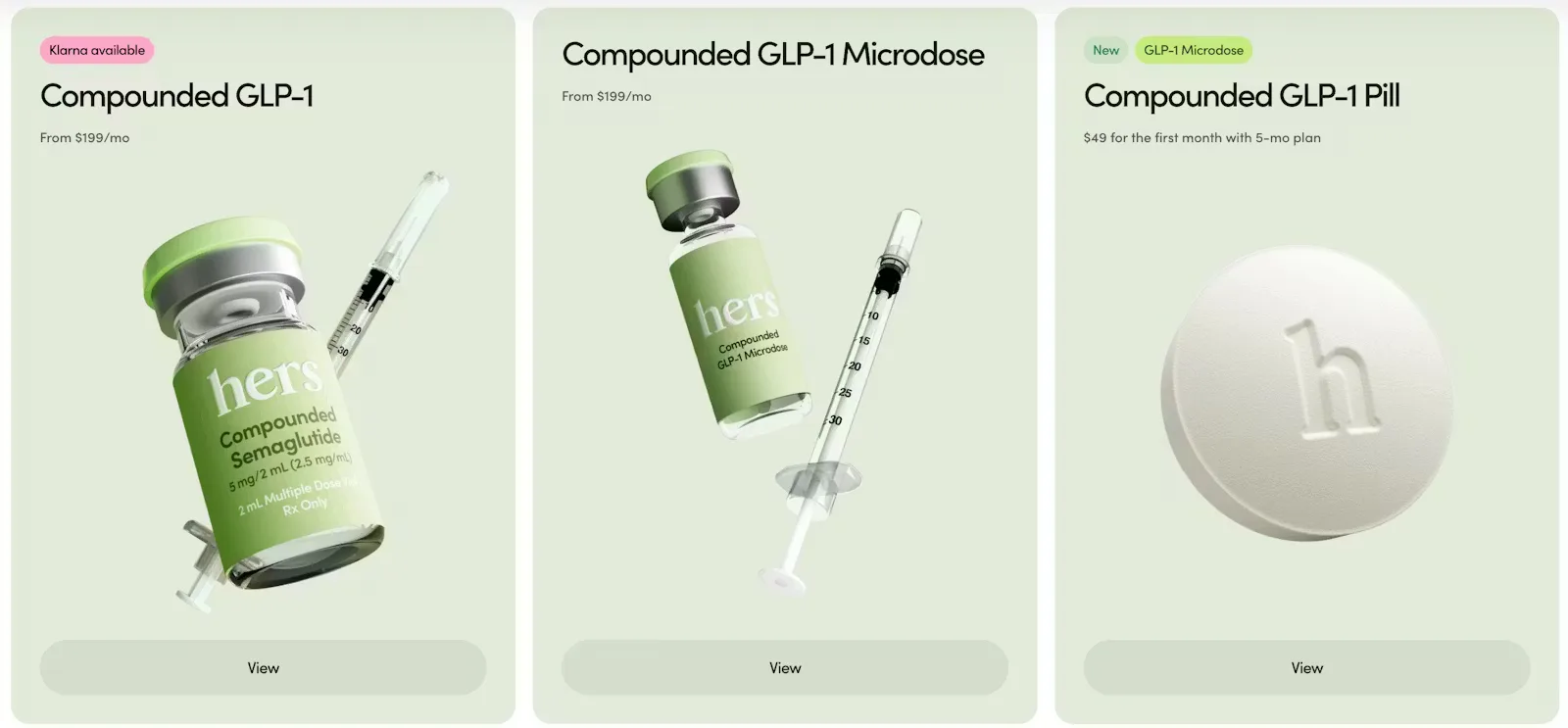
In the competitive landscape of GLP-1 medications for weight loss and metabolic health, Hims & Hers Health made headlines with a bold move into compounded oral semaglutide. Priced at just $49, the telehealth company's pill version of Novo Nordisk's Wegovy promised affordability amid maturing sexual-health franchises. However, the gambit quickly backfired, accelerating regulatory scrutiny on drug compounders and underscoring the challenges of entering the booming obesity drug market.
The Hims & Hers Push into GLP-1 Weight Loss Drugs
Online telehealth provider Hims & Hers, led by entrepreneur Andrew Dudum, has positioned itself as an affordable healthcare disruptor. With a high-profile Super Bowl ad and political donations—including $1 million to President Donald Trump's inauguration matching contributions from giants like Pfizer and Gilead—the company sought new growth avenues. Its original focus on sexual health had matured, prompting expansion into areas like testosterone therapy and cancer screenings.
Most recently, Hims capitalized on the GLP-1 surge. Glucagon-like peptide-1 receptor agonists like semaglutide (found in Ozempic and Wegovy) mimic gut hormones to regulate blood sugar, slow gastric emptying, and reduce appetite, driving significant weight loss. In 2023, before offering injectable GLP-1s, Hims reported less than $900 million in sales. Wall Street now anticipates over $2.3 billion for 2025, with fourth-quarter 2024 sales projected at $620 million—a 28% increase. Sales growth has ranged from 59% to 94% over the past four years but is forecasted to slow to around 17% in the next two.
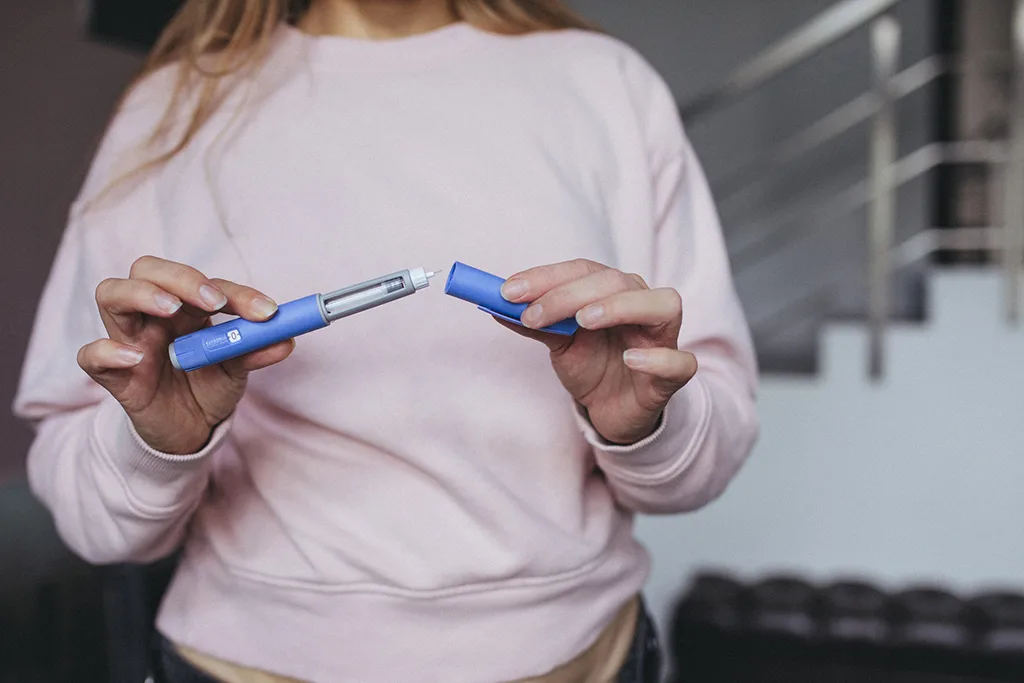
Even as Novo Nordisk and Eli Lilly slashed prices on branded injectables, Hims announced plans for a compounded oral semaglutide pill. Launched in tandem with Novo's January rollout of oral Wegovy, this $49 option targeted patients preferring pills over needles, potentially opening a vast market segment.
Swift Regulatory Backlash and Novo Nordisk Lawsuit
The enthusiasm was short-lived. Two days after the announcement, U.S. FDA Commissioner Marty Makary warned that the offering and similar drugs were "illegal copycats." Hims promptly retreated from the plan.
Novo Nordisk escalated by suing Hims for infringing patents on its injectable weight-loss offerings. Analysts note this as part of a broader crackdown. During recent GLP-1 shortages, compounding pharmacies were permitted to produce versions with modified dosages or ingredients for side effects and allergies. With ample branded supplies now available, such practices face intensified scrutiny.
"They probably looked at this as their next big driver of growth in the business," said Needham's Ryan McDonald. He added that other offerings like testosterone or cancer screenings were "nice add-ons," but unlikely to drive significant new subscriptions alone.
Hims declined to comment on the developments.
Manufacturing Challenges of Compounded Oral GLP-1 Pills
Why Oral Semaglutide is Complex
Peptides like semaglutide degrade in the stomach, necessitating advanced delivery for oral efficacy. Novo Nordisk's patented technology in Wegovy and Ozempic facilitates absorption. Hims planned to use complex liposomal technology—encapsulating the drug in lipid "bubbles"—to bypass this barrier.
However, experts highlight significant hurdles. "It's a tricky technology," said Prashant Yadav, professor of technology and operations management at INSEAD. He likened liposomes to bubbles: "Each of those bubbles has to be precisely the right size. If some are too big or are too small, then it has the problem that it won't carry the payload, or it may carry the payload, and when it's time to release, it may not release it in the right quantity."
Precision tracking for your journey
Join thousands using Shotlee to accurately track GLP-1 medications and side effects.
📱 Get the Shotlee App
Track your GLP-1 medications, peptides, and health metrics on the go with our mobile app!
Personalized compounded doses amplify risks, as scaling unapproved processes raises safety flags with the FDA. HHS did not respond to comment requests.
Compounded vs. Branded GLP-1: Safety and Efficacy Considerations
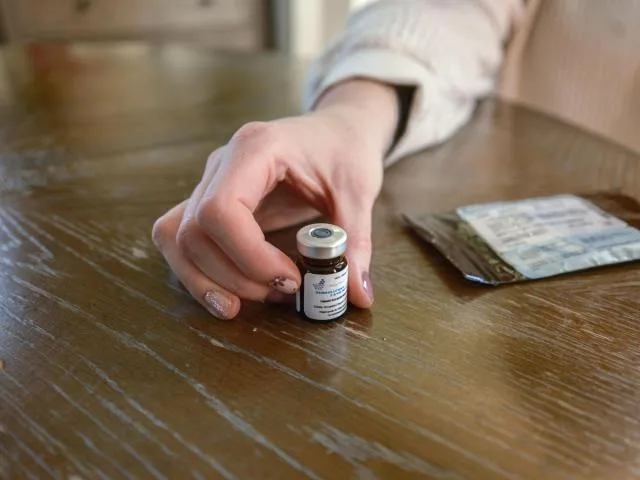
Branded GLP-1s undergo rigorous FDA-approved manufacturing for consistency. Compounded versions, while cheaper, lack this oversight, potentially leading to variable potency or contamination. Common GLP-1 side effects—nausea, gastrointestinal issues, and rare pancreatitis—could worsen with inconsistent dosing. Patients on compounded therapies should monitor symptoms closely, perhaps using apps like Shotlee for tracking medication schedules and side effects.
Hims & Hers Financial Impact and Growth Outlook
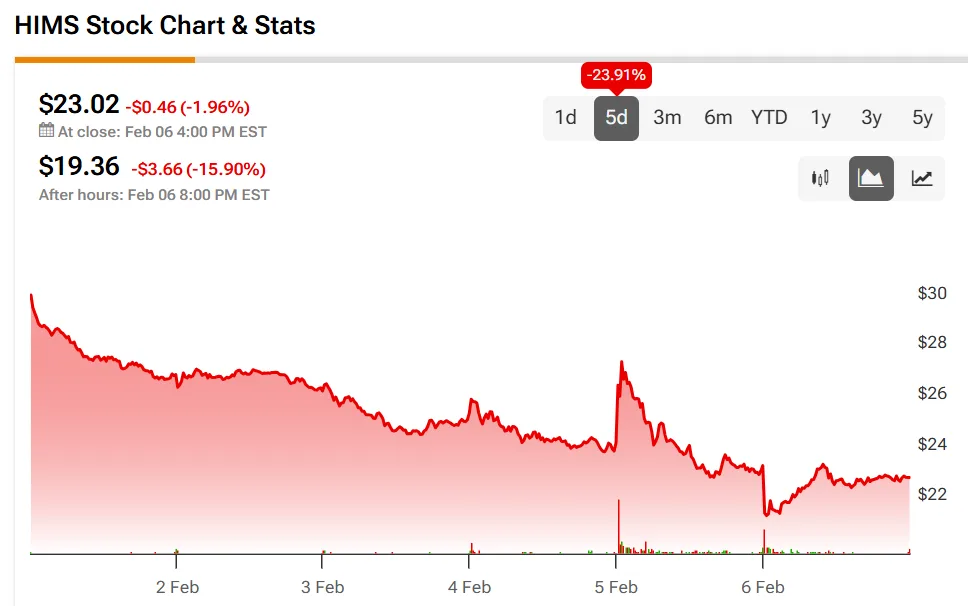
Shares plummeted over 45% since the pill announcement and trade at less than a quarter of mid-2024 highs. While injectables fueled recent growth, the oral pill retreat leaves uncertainty. Analysts like BMO Capital Markets' Evan Seigerman, who covers Lilly, predict declining compounded GLP-1 volumes as branded prices fall, insurance expands, and regulations tighten.
"That's the problem with a platform that's kind of based on selling of a gray-market product," said Seigerman. "Lilly and Novo are always going to be able to make their product more efficiently. They have the scale, so they're going to be win."
The obesity market is projected to hit $100 billion annually by 2030, with Novo executives estimating a third or more from pills—like Eli Lilly's upcoming oral treatment potentially launching as soon as April.
Implications for the GLP-1 Market and Compounders
This episode signals tightening rules for telehealth and compounders. As supplies stabilize, branded dominance strengthens via scale and patents. Patients may see better insurance coverage for Wegovy or Zepbound, reducing reliance on compounded alternatives.
For providers like Hims, diversification remains key, but GLP-1 injectables face their own pressures from price competition.
What This Means for Patients Considering GLP-1 Therapy
If you're exploring semaglutide for weight loss or metabolic health:
- Consult your doctor: Discuss branded vs. compounded options based on your needs, allergies, or injection aversion.
- Prioritize FDA-approved drugs: They offer proven safety amid regulatory shifts.
- Monitor access: Falling prices and coverage improvements could make Wegovy or Ozempic more attainable.
- Track progress: Use tools to log side effects, weight, and adherence for optimal results.
Alternatives include lifestyle interventions or other peptides, but GLP-1s remain transformative for eligible patients with obesity or type 2 diabetes.
Key Takeaways
- Hims & Hers' $49 oral GLP-1 pill launch retreated after FDA's "illegal copycats" warning and Novo's patent lawsuit.
- Oral semaglutide requires precise tech like liposomes, posing manufacturing risks for compounders.
- Compounded GLP-1 demand may wane as branded supplies grow and prices drop.
- Hims eyes $2.3B+ 2025 sales, but growth slows; shares down 45%+ post-announcement.
- Patients: Stick to approved therapies and doctor guidance for safe GLP-1 use.
Conclusion: Navigating the Evolving GLP-1 Landscape
Hims & Hers' misstep illuminates the high stakes in GLP-1 innovation. While compounders filled gaps during shortages, branded leaders like Novo and Lilly hold the advantage. For patients, this reinforces consulting healthcare providers for personalized, compliant options. Stay informed on regulatory updates to access effective metabolic therapies safely.