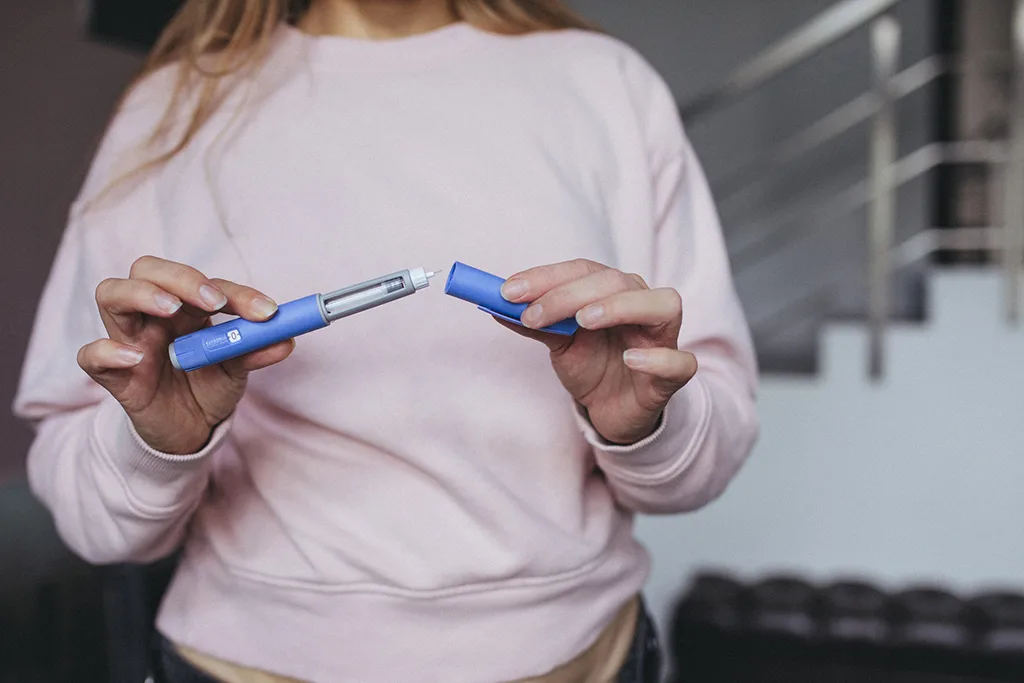
The trend of buying prescription medicine like Semaglutide or Ozempic without medical screening carries serious health risks, as illustrated by real patient stories. DIY Ozempic use has surged on social media, with users sharing tips on sourcing pens without prescriptions, but the consequences—hair loss, bloating, and deep regret—highlight why professional oversight is non-negotiable.
The Allure and Hidden Perils of DIY Ozempic
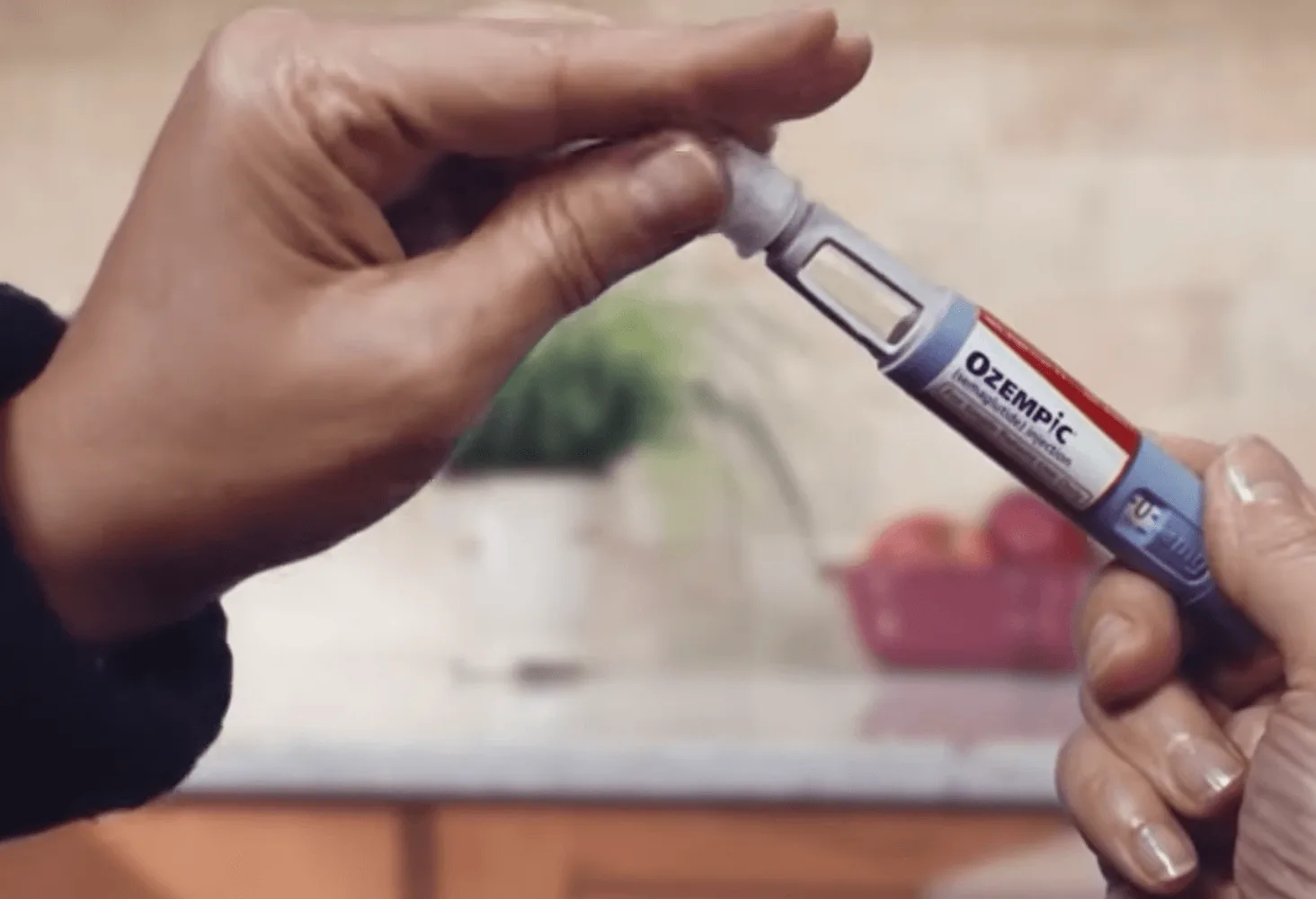
Ozempic, the brand name for semaglutide, is a GLP-1 receptor agonist primarily approved for type 2 diabetes management and chronic weight management. Its ability to mimic the GLP-1 hormone slows gastric emptying, reduces appetite, and promotes significant weight loss, drawing many into the slimming craze. However, obtaining and self-administering these pen-like injectables without a doctor's guidance exposes users to unpredictable side effects and long-term complications.
Elfina (not her real name) recently joined this trend, bypassing consultations and buying her supply from a beauty clinic for RM1,200 per pen. She injected the drug on her own and created her own meal plan, avoiding pharmacies' strict prescription requirements.
Elfina's Story: Thrill Turns to Hair Loss Nightmare
At first, Elfina was thrilled—the results came fast, with 3kg lost in just two weeks. But excitement turned to dread as she noticed clumps of hair falling out. "I decided to stop for about two months because my hair was falling really badly," she said.
Seemingly unaware of the full risks, Elfina plans to restart her Ozempic jabs, this time adding more protein to her diet based on advice from others, hoping to prevent further hair loss. Her experience underscores a common issue with rapid weight loss from GLP-1 medications: telogen effluvium, where nutritional stress triggers excessive shedding. Without medical screening, users like Elfina miss assessments for deficiencies in iron, biotin, or protein that exacerbate this.
Nafisa's Experience: Bloating Halts Her Journey
Elfina was not alone. Nafisa (not her real name) managed only one injection before stopping due to severe bloating. "It felt like a painful, tight fullness in my upper abdomen, as if I had overeaten, except I had barely eaten anything," she described. Despite receiving her injection at a clinic, she refused the suggested blood test—having done one last year—and noted only a brief discussion on side effects.
Nafisa saw no weight loss and highlights how even clinic-based use without thorough screening can falter. Bloating is a hallmark gastrointestinal side effect of semaglutide, stemming from delayed stomach emptying, which can worsen without dose titration or anti-nausea support.
Social Media: Fueling DIY Ozempic Trends
Checks on social media reveal dozens of videos where users openly admit buying Ozempic pens without proper health screening. They share unashamed tips on bypassing prescriptions, including sourcing cheaper supplies from Saudi Arabia via acquaintances. Comments flood in, exchanging stories, usage tips, and contacts for unregulated suppliers.
This online echo chamber normalizes DIY use, but ignores critical pre-treatment evaluations like thyroid function tests (for medullary thyroid carcinoma risk), pancreatic enzyme levels, and kidney function—standard for GLP-1 initiators.
Precision tracking for your journey
Join thousands using Shotlee to accurately track GLP-1 medications and side effects.
📱 Get the Shotlee App
Track your GLP-1 medications, peptides, and health metrics on the go with our mobile app!
Understanding Ozempic (Semaglutide): Mechanism and Medical Necessity
Semaglutide works by activating GLP-1 receptors in the gut and brain, enhancing insulin secretion, suppressing glucagon, and prolonging satiety. While effective under supervision—often starting at 0.25mg weekly and titrating up—self-injection skips vital steps:
- Personalized dosing: DIY users guess doses, risking overdose or inefficacy.
- Contraindication checks: History of pancreatitis, gallbladder disease, or family thyroid cancer demands exclusion.
- Monitoring: Regular bloodwork tracks A1C, lipids, and nutrient levels.
Why Hair Loss Occurs with DIY Ozempic
Hair loss isn't a direct semaglutide effect but results from caloric restriction and rapid fat loss stressing hair follicles into resting phase. Supervised patients receive nutritional counseling—high-protein diets, supplements—to mitigate this, unlike Elfina's self-planned meals.
Bloating and Other GI Side Effects Explained
Up to 20-30% of users experience nausea, vomiting, or bloating early on. These peak without gradual dosing and hydration advice, as Nafisa endured. Long-term, unsupervised use heightens risks like gastroparesis or bowel obstruction.
Risks of Unsupervised Semaglutide Use
Beyond anecdotes, DIY Ozempic evades pharmacovigilance. Counterfeit pens from unregulated sources may contain incorrect dosing or contaminants. Patients skip discussions on interactions with oral meds (delayed absorption) or pregnancy risks (FDA category with warnings).
Comparatively, supervised GLP-1 therapy via endocrinologists or weight clinics yields better adherence and outcomes, with side effects managed proactively.
Practical Guidance: What Patients Should Do
If considering Ozempic for weight loss or diabetes:
- Consult a doctor: Get full screening, including BMI assessment (typically for BMI ≥30 or ≥27 with comorbidities).
- Start supervised: Expect weekly injections with follow-ups.
- Track symptoms: Use apps like Shotlee to log side effects, weight, and meals for doctor reviews.
- Alternatives: Discuss tirzepatide (Mounjaro) or lifestyle interventions if unsuitable.
Never source from beauty clinics or overseas without verification—RM1,200 per pen like Elfina paid often signals unregulated stock.
Key Takeaways: Avoiding DIY Ozempic Regret
- DIY Ozempic promises quick weight loss (e.g., Elfina's 3kg in 2 weeks) but delivers hair loss, bloating, and health scares.
- Medical screening prevents ignoring risks like thyroid issues or nutrient gaps.
- Social media tips can't replace professional care—prioritize pharmacies with prescriptions.
- For safe use, pair with dietitian support and monitoring tools.
Conclusion: Prioritize Safety Over Speed
Elfina and Nafisa's stories of hair loss, bloating, and regret from DIY Ozempic jabs serve as stark warnings. Semaglutide transforms lives when used correctly, but self-administration gambles with health. Speak to a healthcare provider before starting—your body deserves supervised care, not social media shortcuts.