
The Rise of Incretin Therapies: A New Era in Weight Management
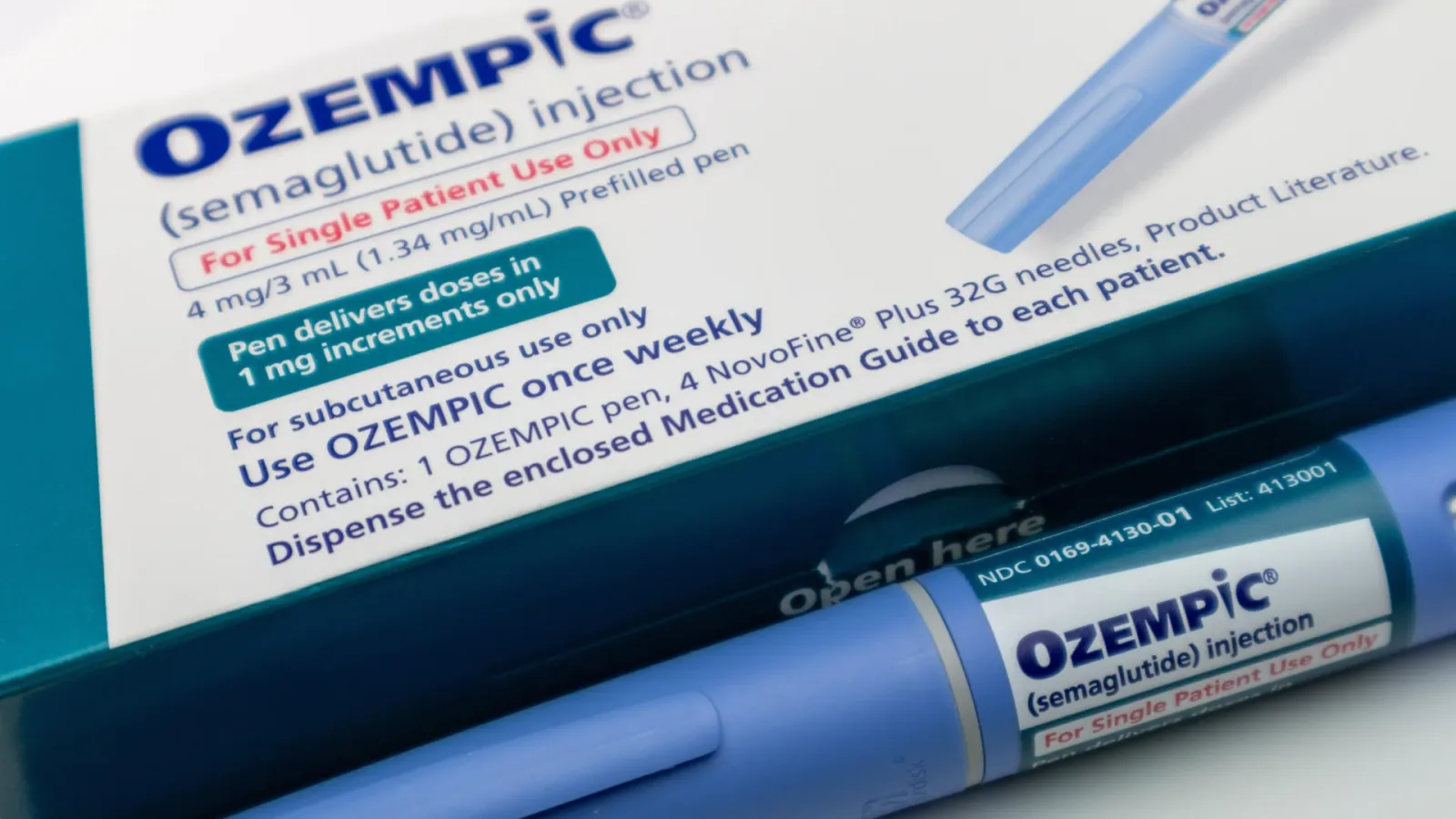
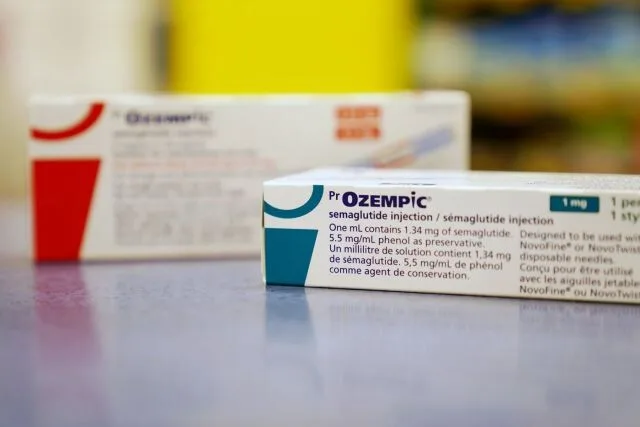
In recent years, medications like Ozempic, Wegovy, and Mounjaro have captured significant attention in health and wellness circles. These groundbreaking drugs target key regulatory pathways involved in both obesity and diabetes, offering a powerful new approach to weight loss and blood sugar control. But what exactly makes these therapies so effective? And do they point to a deeper, more fundamental cause of metabolic disease?
The answer might be closer than you think – it resides within your own body. Your gut naturally produces hormones that function similarly to these medications, playing a crucial role in appetite regulation and metabolism. The intricate interplay between the food we consume and the trillions of microbes residing in our gut microbiome is central to orchestrating this powerful internal system. As a gastroenterologist specializing in the impact of diet and the gut microbiome on health, I aim to provide an inside-out perspective on how these natural gut hormones and a healthy diet contribute to metabolism and effective weight management.
Your Gut's Built-In Weight Loss System: The Role of Incretin Hormones
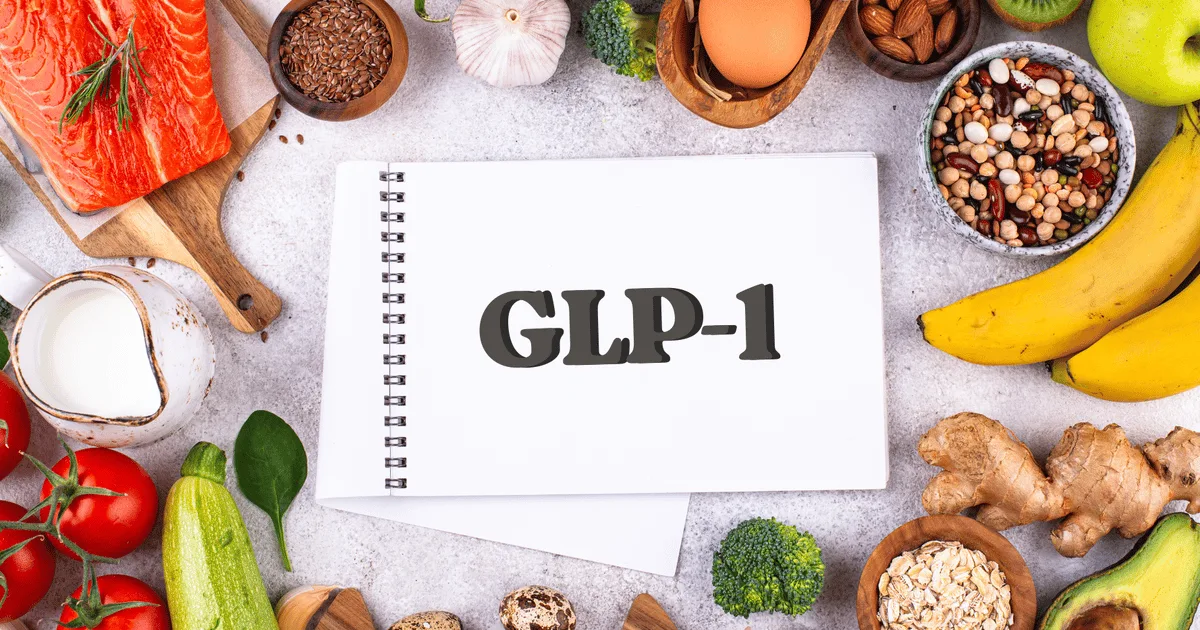
Specialized bacteria in your lower gut possess a remarkable ability: they transform components of food that your body cannot digest, such as fiber and polyphenols, into vital molecules. These molecules are essential for stimulating hormones that regulate your appetite and metabolism. Among these, glucagon-like peptide-1 (GLP-1) stands out as the natural counterpart to medications like Ozempic and Wegovy.
GLP-1, along with other hormones like peptide YY (PYY), plays a multifaceted role in metabolic health. These hormones work in concert with the pancreas to help regulate blood sugar levels. Crucially, they also signal to your brain that you've consumed enough food, promoting feelings of satiety. Furthermore, they act to slow the movement of food through your stomach and intestines, allowing for more efficient digestion and nutrient absorption. This coordinated action is often referred to as the "colonic brake," a sophisticated mechanism designed to manage energy intake and expenditure.
How Food and Microbiome Shape Hormonal Signals
Before the advent of highly processed foods, a diverse and healthy gut microbiome was instrumental in directing these metabolic regulatory pathways. This ecosystem of microbes would utilize natural hormones like GLP-1 to maintain a balanced metabolism and appetite. However, modern food processing, often aimed at enhancing shelf stability and palatability, frequently strips away the very components – fiber and polyphenols – that are vital for regulating this intricate system.
The removal of these key food constituents, coupled with a subsequent decline in gut microbiome diversity, is increasingly recognized as a significant contributing factor to the escalating rates of obesity and type 2 diabetes worldwide. When the natural signaling pathways are disrupted, the body's ability to effectively manage weight and blood sugar is compromised.
Understanding the Medications: GLP-1 Agonists and Beyond
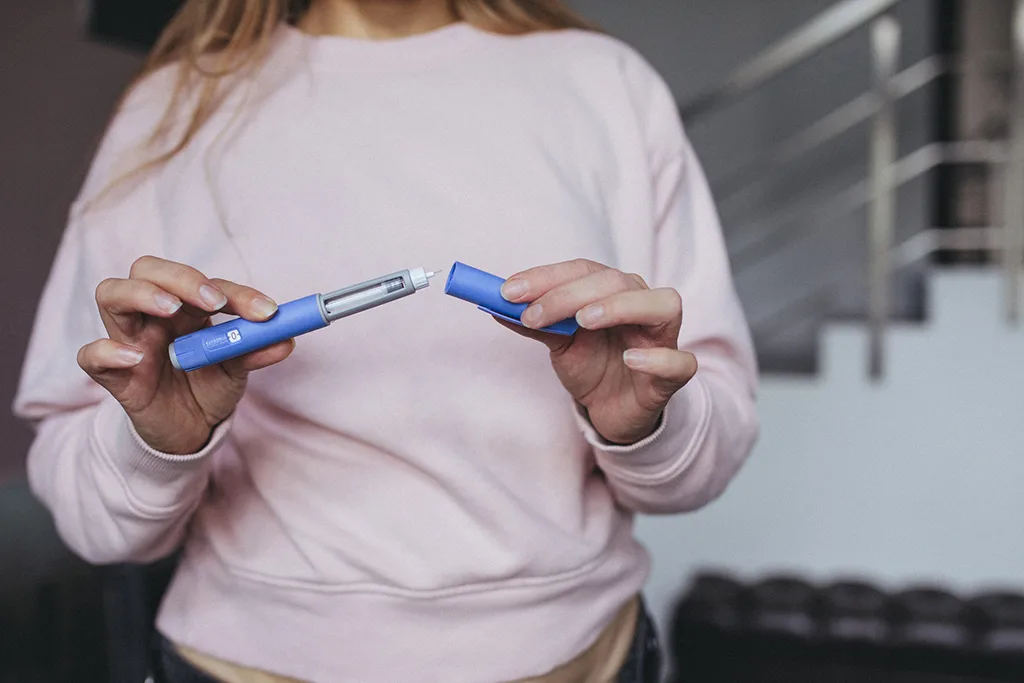
The development of medications like Wegovy and Ozempic represents a significant advancement in leveraging our understanding of the incretin system. These drugs essentially "reinvigorate" the colonic brake by introducing molecules that mimic the action of GLP-1. Clinical studies have consistently demonstrated their efficacy in promoting significant weight loss and improving glycemic control in individuals with type 2 diabetes and obesity.
Tirzepatide: A Dual-Action Approach
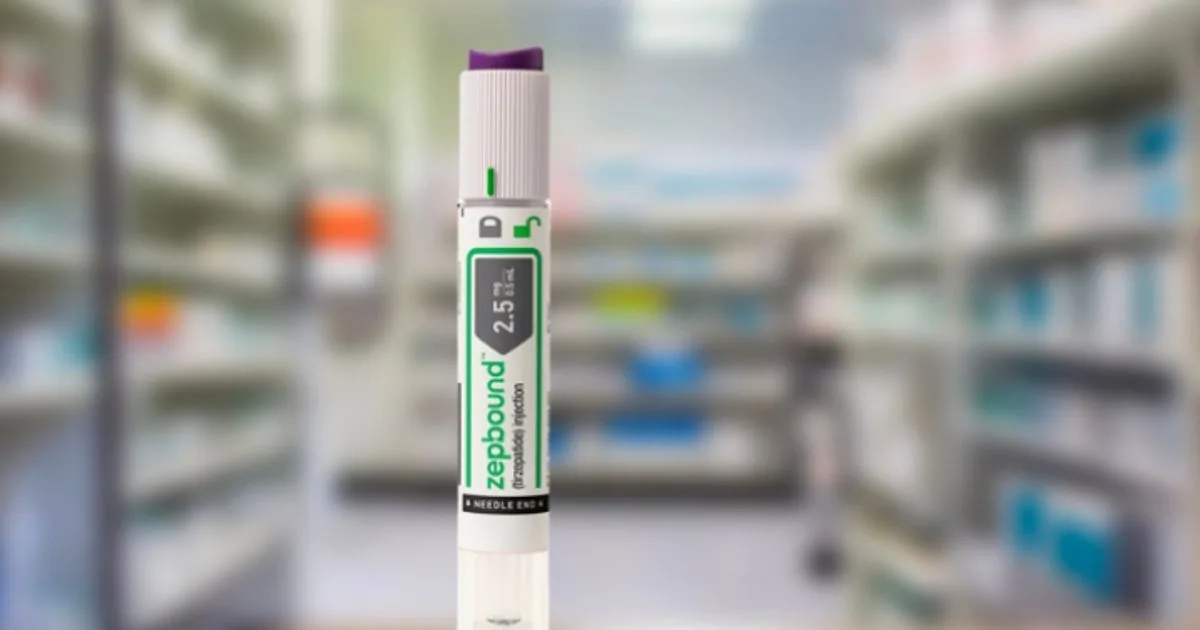
Mounjaro (tirzepatide) takes this approach a step further by combining the action of a GLP-1 analogue with that of a glucose-dependent insulinotropic polypeptide (GIP) analogue. GIP is another hormone, primarily secreted from the upper gut, that also plays a role in glucose regulation. Research indicates that this dual-action therapy can be even more effective at promoting weight loss than GLP-1-only medications, highlighting the potential of targeting multiple incretin pathways simultaneously.
Surgical Interventions and Their Mechanisms
It's also worth noting how certain surgical interventions, such as gastric bypass surgery, align with these principles. In extreme cases of metabolic disease, these procedures can, in part, work by bypassing segments of the gastrointestinal tract. This alteration leads to less digested food reaching the gut microbes, which can then stimulate gut cells to produce more GLP-1 and PYY. This effectively reawakens the body's natural appetite and metabolic regulation mechanisms, mirroring the effects of incretin-based medications.
Benefits, Risks, and Emerging Applications
The impact of incretin-based therapies extends beyond weight and blood sugar. Many patients have experienced significant improvements in important cardiovascular outcomes, including reduced risks of strokes and heart attacks. Current medical guidelines endorse the use of these medications for managing the interconnected conditions of diabetes, obesity, and cardiovascular disease.
Precision tracking for your journey
Join thousands using Shotlee to accurately track GLP-1 medications and side effects.
📱 Get the Shotlee App
Track your GLP-1 medications, peptides, and health metrics on the go with our mobile app!
Potential for Broader Therapeutic Use
The influence of these drugs on brain function, particularly concerning cravings and reward pathways, has also spurred research into their potential for treating non-metabolic conditions. Early investigations are exploring their efficacy in managing substance abuse, including alcohol and drug addiction, as well as in addressing symptoms of depression.
Navigating Prescribing Practices and Side Effects
Despite the remarkable success and promise of these medications, current prescribing practices have raised important questions. For instance, the appropriate use of these drugs for individuals with only mild overweight conditions, and the long-term implications of prescribing them to children and adolescents for lifelong weight management, are subjects of ongoing discussion and research.
While incretin-based therapies offer substantial benefits, they are not without their challenges. Common gastrointestinal side effects, such as nausea, vomiting, diarrhea, and constipation, are often related to the drugs' mechanism of slowing down the digestive tract. More severe, though rare, side effects can include pancreatitis (inflammation of the pancreas) and gastroparesis (a condition where the stomach empties too slowly). Additionally, these medications can lead to a loss of lean muscle mass alongside fat loss, particularly if not combined with regular exercise.
The potential for significant weight regain after discontinuing these medications also raises questions about long-term management and the possibility of transitioning back to lifestyle-based interventions. This underscores the importance of a comprehensive approach to health, integrating medication with sustainable lifestyle changes.
The Enduring Importance of Lifestyle and Diet
While the allure of quick fixes is strong, it is increasingly clear that a healthy lifestyle remains the cornerstone of metabolic disease management and overall well-being. This encompasses regular physical activity, effective stress management, adequate sleep, spending time outdoors, and, critically, a balanced and nutrient-dense diet.
Reawakening the Gut Microbiome with Whole Foods
For the majority of the population who do not yet have diagnosed obesity or diabetes, the most effective strategy for promoting healthy metabolism may be to reawaken the gut's intrinsic appetite and metabolism control system. This can be achieved by reintroducing whole, minimally processed foods into the diet and actively nurturing a diverse and thriving gut microbiome.
Incorporating foods rich in fiber and polyphenols, such as flavonoids and carotenoids, can play a vital and complementary role in addressing the epidemic of obesity and metabolic disease at its root. These bioactive compounds support the gut microbiome, enhance hormonal signaling, and contribute to a more robust and resilient metabolic system.
Practical Takeaways for Healthier Metabolism
The insights gained from understanding incretin hormones and the gut microbiome offer practical strategies for improving metabolic health:
- Prioritize Whole Foods: Emphasize minimally processed foods rich in fiber and polyphenols, such as fruits, vegetables, whole grains, legumes, nuts, and seeds.
- Support Your Gut Microbiome: Consume fermented foods and consider prebiotic-rich foods to foster a diverse and healthy gut flora.
- Stay Active: Combine dietary changes with regular exercise to preserve lean muscle mass and optimize metabolic function.
- Manage Stress and Sleep: Recognize the profound impact of stress and sleep on hormonal balance and metabolic health.
- Track Your Progress: Utilize tools like the Shotlee app to monitor your food intake, activity levels, and any changes in your well-being, providing valuable data for informed health decisions.
Conclusion: A Holistic Approach to Metabolic Health
The advent of GLP-1 and GIP-based medications marks a significant leap forward in treating obesity and diabetes. However, these therapies underscore the profound importance of the body's own sophisticated regulatory systems. By understanding and supporting our natural incretin hormone pathways through a diet rich in whole foods and a healthy gut microbiome, we can empower ourselves to achieve sustainable metabolic health. While medications offer powerful solutions for many, nurturing our internal biological mechanisms through mindful lifestyle choices remains a fundamental and accessible path to long-term well-being.