
The Gut-Brain-Immune Axis: Unveiling the Link to Neurodegenerative Diseases
For years, research on neurodegenerative diseases like Alzheimer's, Parkinson's, and ALS focused primarily on what was happening in the brain. However, a growing body of evidence is now shifting the focus to a crucial, interconnected system: the gut-brain-immune axis. This intricate network of communication pathways suggests that the health of your gut microbiome may significantly impact your risk of developing these devastating conditions.
Understanding the Connection: What's the Fuss About?
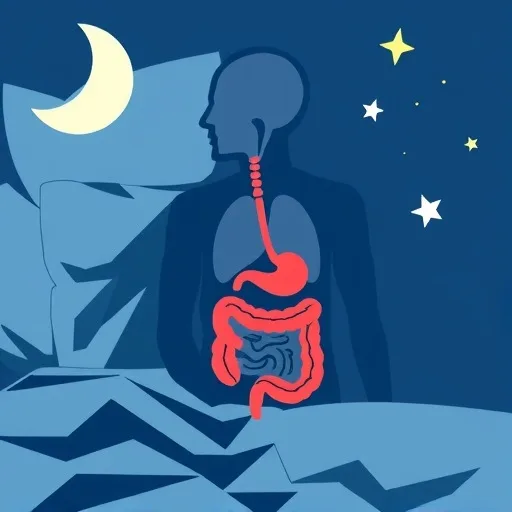
Think of your gut as a bustling city, teeming with trillions of bacteria, fungi, and other microorganisms—your gut microbiome. This “city” communicates constantly with your brain and immune system. When the gut microbiome is healthy and balanced (a state known as eubiosis), it sends signals that promote brain health and reduce inflammation. However, when the balance is disrupted (dysbiosis), things go wrong.
Key Players and Pathways
Several factors contribute to this gut-brain-immune connection, including:
- The Vagus Nerve: A major highway for direct communication between the gut and brain.
- Gut Hormones: Hormones such as GLP-1 can influence brain function and are modulated by the gut microbiome.
- Immune System Signals: The gut microbiome influences the immune system, and an overactive or improperly regulated immune system can harm the brain.
- Metabolic Byproducts: The gut produces metabolites like short-chain fatty acids (SCFAs), which have far-reaching effects on brain health, including anti-inflammatory properties.
Research is also exploring how peptide therapy, like the use of BPC-157, may impact gut health and influence overall health.
How Gut Health Affects Specific Neurodegenerative Diseases
Emerging research has identified specific ways that gut dysbiosis can contribute to different neurodegenerative diseases:
Alzheimer's Disease (AD)
Dysbiosis can lead to the build-up of amyloid-β plaques and tau tangles, hallmarks of AD. This process is often linked to the production of pro-inflammatory substances like lipopolysaccharides (LPS) and reduced production of beneficial SCFAs.
Precision tracking for your journey
Join thousands using Shotlee to accurately track GLP-1 medications and side effects.
📱 Get the Shotlee App
Track your GLP-1 medications, peptides, and health metrics on the go with our mobile app!
Parkinson's Disease (PD)
Evidence suggests that alpha-synuclein, a protein implicated in PD, may originate in the gut and travel to the brain via the vagus nerve. Imbalances in the gut can exacerbate this process, contributing to neuronal damage.
Multiple Sclerosis (MS)
In MS, gut dysbiosis can trigger an immune response that attacks the myelin sheath, which protects nerve fibers. This imbalance drives the body's own immune system to attack itself and can lead to neurodegeneration.
Practical Takeaways for a Healthier Gut and Brain
What can you do to support a healthy gut and, in turn, potentially reduce your risk of neurodegenerative diseases? Here are some actionable steps:
- Embrace a Fiber-Rich Diet: Fiber is the primary food source for your gut bacteria. Aim for plenty of fruits, vegetables, and whole grains.
- Consider Probiotics and Prebiotics: These can help cultivate a healthy microbiome. However, consult with a healthcare professional before starting any new supplements.
- Manage Stress: Chronic stress can negatively impact gut health. Practice stress-reducing techniques such as meditation or yoga.
- Prioritize Sleep: Quality sleep is crucial for both brain and gut health.
It's important to remember that these steps can be an important part of a wellness strategy focused on longevity and metabolic health.
Health Tracking for Better Wellness
Understanding and monitoring your health can provide valuable insights. Tools like Shotlee can help track lifestyle factors that impact gut health, such as diet, sleep, and stress levels. This type of health tracking can help individuals make informed decisions about their well-being and track the impact of lifestyle changes.
Conclusion: A Path Forward for Brain Health
The gut-brain-immune axis offers a groundbreaking perspective on neurodegenerative diseases. By taking steps to optimize gut health, we can potentially influence brain health and overall wellness. While more research is needed, the evidence strongly suggests that nurturing your gut is an investment in your brain's future. Keep in mind that understanding your personal health, which could also include the impact of GLP-1 medications such as Ozempic or Wegovy (although this article is not focusing on medications directly), is a crucial step.